
UNESCO World Heritage Sites in Croatia
Heritage Overview
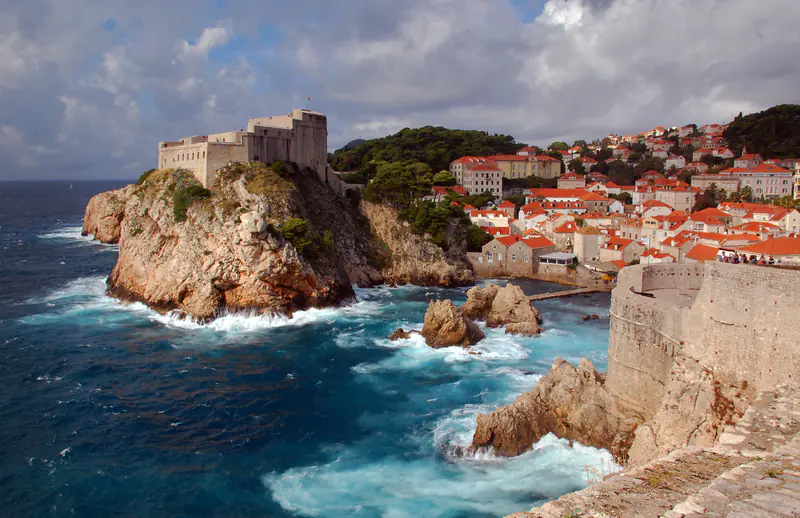
Croatia's Adriatic coastline and inland territories preserve an extraordinary concentration of cultural and natural heritage spanning millennia of Mediterranean civilization. From prehistoric settlements through Roman provincial cities, medieval fortified towns, and renaissance palaces, the Croatian landscape documents continuous human inhabitation and creative achievement along one of Europe's most dramatic coastlines. The medieval walled cities along the Dalmatian coast represent exceptional preservation of urban fabric and fortification systems that protected maritime trade routes for centuries. Dubrovnik's Republic of Ragusa developed sophisticated diplomatic traditions and commercial networks rivaling Venice, while cities like Split incorporated Roman imperial palace architecture into living medieval communities. These urban ensembles demonstrate the layering of architectural styles from Roman through Gothic, Renaissance, and Baroque periods. Croatian heritage conservation balances pressures from intensive Mediterranean tourism with preservation of authentic historical character. The nation's commitment to World Heritage principles has guided restoration efforts following conflict damage in the 1990s, with international cooperation enabling successful rehabilitation of damaged sites. Croatian expertise in stone conservation and medieval architecture contributes valuable knowledge to broader European heritage preservation.
Essential Information
Visa Requirements
Croatia joined the Schengen Area in January 2023, allowing visa-free travel for citizens of the European Union, United States, United Kingdom, Canada, Australia, and many other countries for stays up to 90 days within any 180-day period. Passports must be valid for at least three months beyond planned departure date. Non-EU visitors should carry proof of accommodation and sufficient funds if requested at border. For longer stays, apply through Croatian embassies for appropriate visa categories before travel.
Currency
Croatia adopted the Euro (€) in January 2023, replacing the Croatian Kuna. ATMs are widely available throughout tourist areas, cities, and towns. Credit cards (Visa, Mastercard, Amex) are accepted at most hotels, restaurants, and shops, though smaller establishments and markets may require cash. Currency exchange services are available but rarely needed since euro adoption. Tipping is appreciated but not obligatory—rounding up or 10% for good service is customary.
Language
Croatian is the official language, using the Latin alphabet. English is widely spoken in tourist areas including Dubrovnik, Split, and the Dalmatian coast, particularly by younger generations and those in hospitality. German and Italian are also commonly understood given historical connections. Heritage site information is typically available in Croatian and English. Learning basic phrases (*hvala* for thank you, *dobar dan* for good day) is appreciated by locals.
Climate
Croatia enjoys a Mediterranean climate along the coast with hot, dry summers (25-35°C) and mild winters (5-15°C). Inland areas experience more continental conditions with colder winters. The best months for visiting coastal heritage sites are May-June and September-October, offering pleasant temperatures (20-28°C) without peak summer crowds. July-August brings the highest temperatures and largest tourist numbers, particularly at Dubrovnik. The bura wind can bring sudden temperature drops on the coast. Pack sun protection, comfortable walking shoes for cobblestones, and layers for variable conditions.
Featured Heritage Sites
Last updated: 20 December 2025