
UNESCO World Heritage Sites in Cuba
Heritage Overview
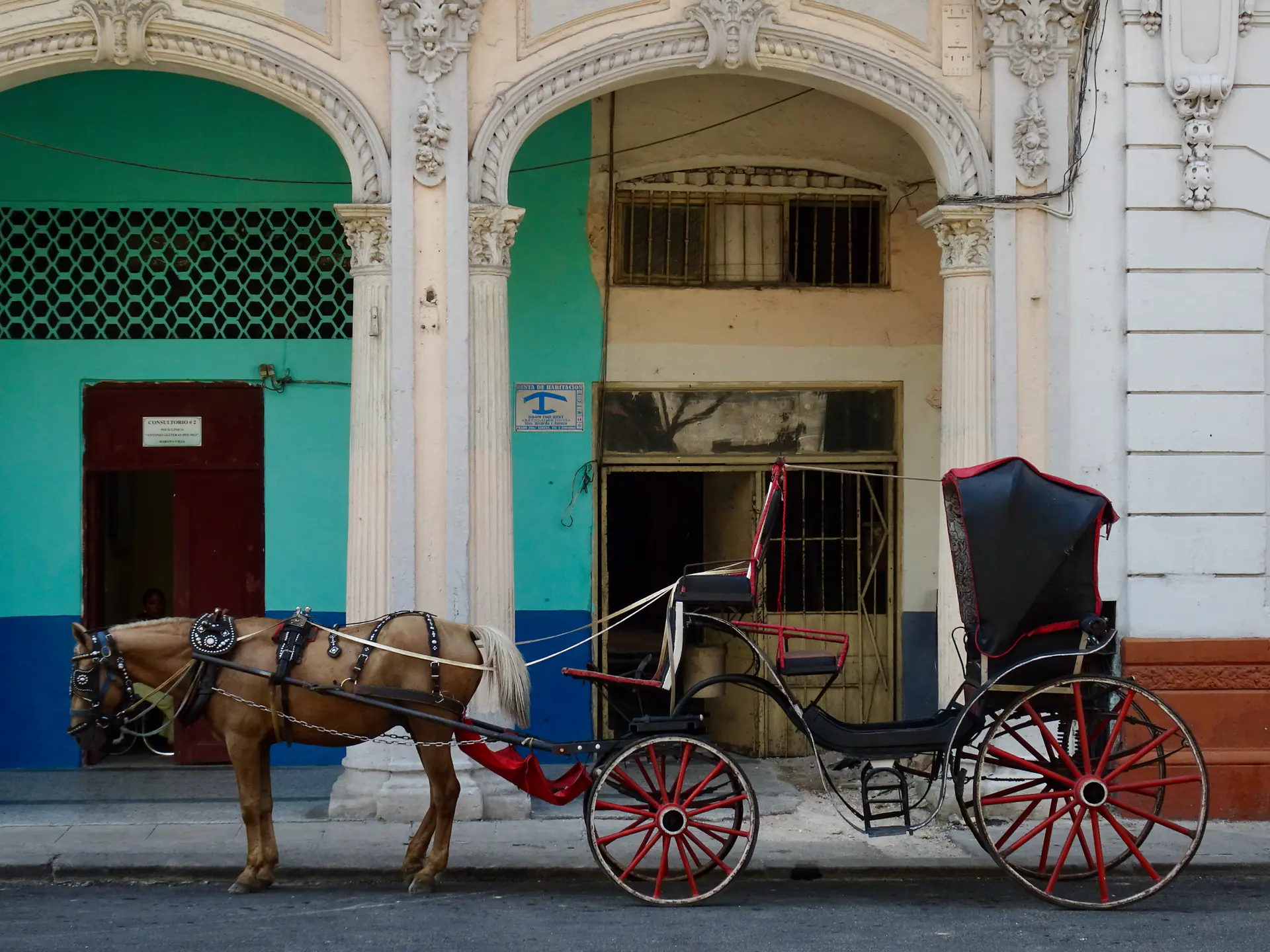
Cuba preserves one of the Caribbean's richest concentrations of Spanish colonial heritage, with fortified cities, sugar plantation landscapes, and intact urban ensembles that document four centuries of colonial history followed by revolutionary transformation. The island's strategic position as gateway between the Old and New Worlds shaped massive fortification systems protecting treasure fleets, while sugar wealth financed baroque and neoclassical architectural splendor. Old Havana represents one of the finest preserved colonial urban landscapes in the Americas, with five historic plazas surrounded by baroque palaces, churches, and aristocratic mansions featuring distinctive stained-glass mediopuntos, wrought-iron balconies, and internal courtyards adapted to tropical climate. The extensive fortification system including Morro Castle demonstrates the evolution of Spanish colonial military architecture across three centuries. Cuban heritage conservation has achieved remarkable results despite economic constraints, through innovative models that channel tourism revenue directly into restoration. The restoration model of Havana's Office of the City Historian demonstrated how heritage preservation can revitalize communities while maintaining authentic character. Ongoing challenges from hurricanes, rising sea levels, and economic difficulties require continued commitment to protecting Cuba's irreplaceable colonial heritage.
Essential Information
Visa Requirements
Most visitors need a Cuban tourist visa, now issued electronically (e-visa) and often arranged through airlines, travel agencies, or Cuban consulates; permitted stays vary by nationality. All travelers must also complete the online D'Viajeros form shortly before arrival and carry proof of medical insurance. US citizens and residents may travel only under categories authorized by the US Treasury (OFAC), which change periodically, so check current guidance. Passports must be valid for at least six months beyond departure date.
Currency
Cuba uses the Cuban Peso (CUP) as its official currency, but several exchange rates coexist and change often, so check current rates on arrival. USD cash is widely accepted in tourist areas, hotels, and private businesses. CRITICAL: US credit and debit cards do NOT work anywhere in Cuba. Bring sufficient cash (USD, Euros, or Canadian Dollars) for your entire stay plus emergency reserve. ATMs exist but are unreliable and often empty. Exchange at banks or official CADECA exchange houses. Power cuts are frequent, so a flashlight and power bank are useful.
Language
Spanish is the official language. English proficiency is growing in tourism but cannot be assumed. Hotel staff and tour guides in tourist areas typically speak English. Heritage site signage and guided tours are available in Spanish and English. Basic Spanish significantly enhances travel experience and cultural connection. Learning essential phrases (*gracias* for thank you, *por favor* for please) is highly recommended. Translation apps require offline capability as internet access is limited and expensive.
Climate
Cuba has a tropical climate with dry season (November-April) offering the most pleasant conditions for heritage visits with lower humidity, minimal rainfall, and temperatures around 21-28°C. Hurricane season (June-November) brings occasional severe storms, particularly August-October. Havana experiences warm, humid conditions year-round. Morning visits to heritage sites avoid afternoon heat and occasional rain showers. Pack light, breathable clothing, rain protection, and modest attire for church visits. Hydration is essential when exploring on foot.
Featured Heritage Sites
Last updated: 1 October 2026