
UNESCO World Heritage Sites in Ethiopia
Heritage Overview
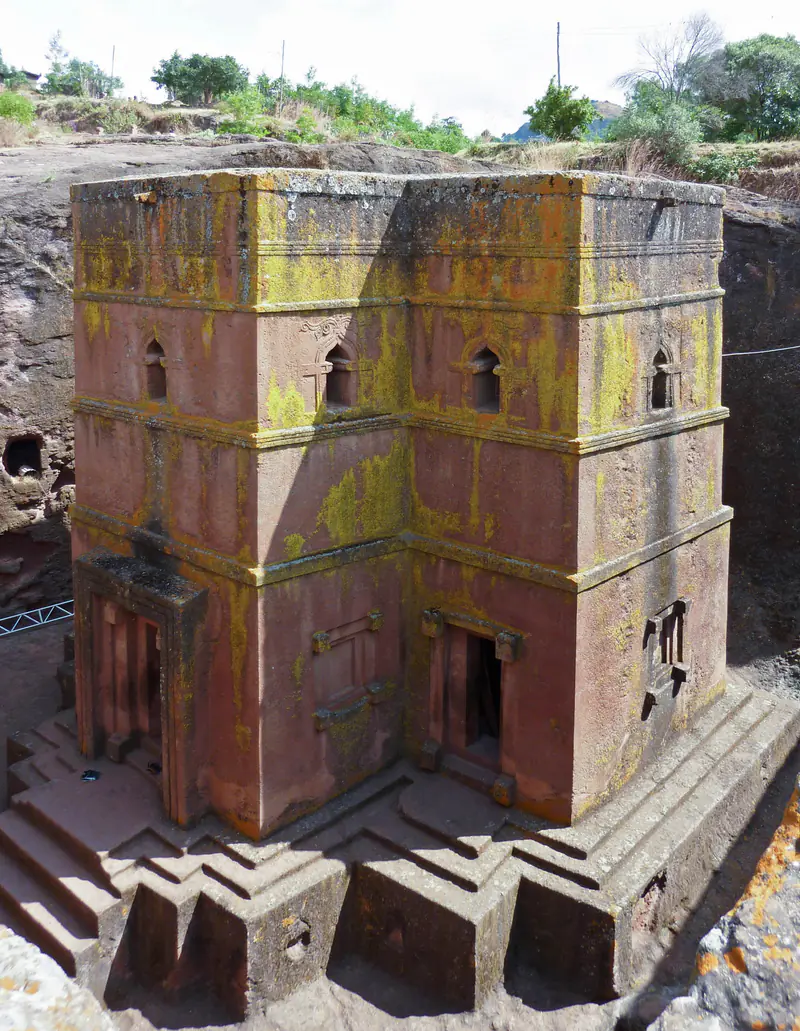
Ethiopia stands as one of humanity's most ancient civilizations, preserving extraordinary cultural and natural heritage spanning millions of years of human evolution and thousands of years of continuous religious and cultural tradition. As one of the oldest Christian nations on Earth, Ethiopia developed unique ecclesiastical architecture, liturgical practices, and artistic traditions that remain vibrant living heritage today. The rock-hewn churches of Lalibela represent perhaps the most extraordinary achievement of medieval African architecture, with eleven churches carved entirely from solid volcanic rock to create a "New Jerusalem" in the Ethiopian Highlands. The ancient Aksumite Kingdom left towering obelisks and archaeological ruins documenting one of Africa's great civilizations, while walled cities like Harar preserve centuries of Islamic urban culture alongside indigenous traditions. Ethiopia's commitment to heritage conservation reflects deep cultural connections between communities and ancestral sites. The Ethiopian Orthodox Church maintains continuous worship at rock-hewn churches and ancient monasteries, ensuring that conservation serves living religious function rather than mere preservation. International cooperation addresses challenges from climate change and development while respecting Ethiopia's role as custodian of irreplaceable African heritage.
Essential Information
Visa Requirements
Most visitors require a visa for Ethiopia, obtainable as an e-Visa through the official Ethiopian Immigration website or as a Visa on Arrival at Addis Ababa Bole International Airport. The e-Visa costs $82 USD for single entry (30 or 90 days) and is recommended over arrival visa to avoid queues. Processing typically takes 3 business days. Passports must be valid for at least six months beyond arrival date with at least two blank pages. Keep a printed copy of your e-Visa confirmation for immigration.
Currency
The official currency is the Ethiopian Birr (ETB). ATMs are available in major cities but often unreliable in smaller towns and at heritage sites. US Dollars are widely accepted for major tourism payments including entrance fees, hotels, and domestic flights with Ethiopian Airlines. Exchange services available at banks and authorized bureaus in cities. Credit cards have limited acceptance outside major hotels in Addis Ababa. Carry sufficient cash when visiting Lalibela and other heritage destinations where facilities are limited.
Language
Amharic is the official federal language, written in the distinctive Ge'ez script used also for ancient religious texts. English is increasingly spoken in tourism, particularly by guides at heritage sites, hotel staff in tourist areas, and educated urban populations. Tigrinya, Oromo, and Somali are major regional languages. Heritage site information is typically available in Amharic and English. Tour guides at Lalibela generally speak excellent English. Learning basic Amharic greetings (*selam* for hello, *ameseginalehu* for thank you) is appreciated.
Climate
Ethiopia's highland terrain creates varied microclimates despite its equatorial latitude. Lalibela at 2,500 meters experiences temperate conditions year-round with cool nights (10-15°C) and warm days (20-25°C). The dry season (October-March) offers the best conditions for heritage visits with minimal rainfall and excellent visibility. Wet season (June-September) brings daily rains that can flood church trenches and make some roads impassable. The highest tourist season coincides with Ethiopian Christmas (January 7) and Timkat (January 18-20). Pack layers for highland temperature variations, modest clothing for church visits, and rain protection.
Featured Heritage Sites
Last updated: 20 December 2025