
UNESCO World Heritage Sites in Laos
Heritage Overview
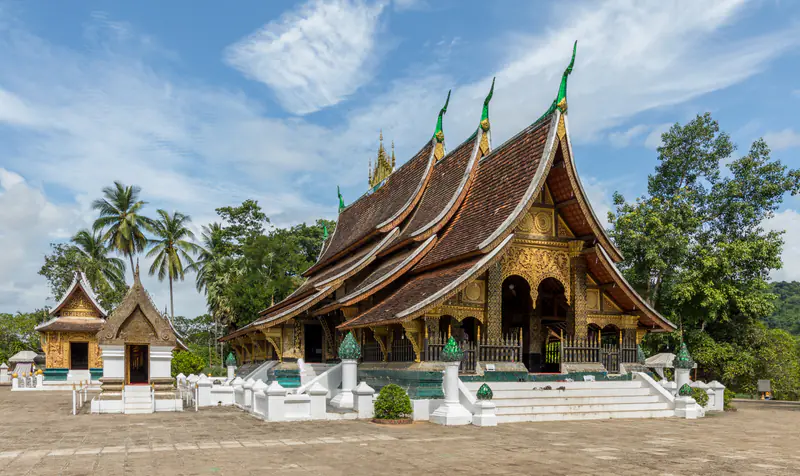
Laos's UNESCO World Heritage sites represent the remarkable preservation of traditional Southeast Asian Buddhist culture alongside ancient archaeological mysteries. The landlocked nation's heritage encompasses well-preserved historic towns, sacred temple complexes, and enigmatic megalithic sites that together illustrate centuries of cultural development largely untouched by rapid modernization. The architectural and cultural legacy demonstrates the continuity of Theravada Buddhist traditions, with ornate temples featuring distinctive Lao architectural styles, traditional wooden buildings, and living monastic communities that maintain practices dating back centuries. These sites preserve exceptional examples of French colonial urban planning harmoniously integrated with indigenous Buddhist architecture. Archaeological sites reveal evidence of sophisticated pre-Buddhist cultures whose stone monuments continue to puzzle researchers. Natural landscapes surrounding heritage areas protect important ecosystems and traditional village life. Together, Laos's heritage sites reflect the profound spiritual traditions of Lao Buddhism, the successful blending of European and Asian architectural influences, and ongoing efforts to preserve authentic cultural practices in one of Southeast Asia's least developed but most culturally rich nations.
Essential Information
Visa Requirements
Most foreign visitors can obtain visas on arrival at international airports and major land borders, valid for 30 days. Visa fees vary by nationality, typically $30-42 USD, payable in cash (USD, Thai Baht, or other major currencies). Passport-sized photos are required. E-visas are available through the Lao eVisa portal for some nationalities. Citizens of ASEAN countries receive visa exemptions. Passports must be valid for at least six months beyond the entry date. Extensions up to 60 additional days are available at immigration offices in Vientiane and major towns.
Currency
The official currency is the Lao Kip (LAK), with exchange rates approximately 20,000-21,000 LAK per USD. A dual currency economy operates in practice, with Thai Baht and US Dollars widely accepted for larger transactions in tourist areas. ATMs dispensing Kip are available in Vientiane, Luang Prabang, and other tourist centers, though daily withdrawal limits apply and international fees are common. Credit cards are accepted at upscale hotels and restaurants but cash remains essential for most transactions. Smaller denominations of USD and Thai Baht are practical for payments.
Language
The official language is Lao, closely related to Thai and written in a similar script. English proficiency is improving in tourist areas, with good English spoken at hotels, tour agencies, and major heritage sites in Luang Prabang and Vientiane. French retains some presence from the colonial period, particularly among older generations and in official contexts. English signage is increasingly common at tourist attractions. Learning basic Lao phrases (*sabaidee* for hello, *khop chai* for thank you) is warmly appreciated. Heritage site information is typically available in English.
Climate
Laos experiences a tropical monsoon climate with three distinct seasons. The rainy season (May-October) brings daily afternoon showers and high humidity with temperatures around 25-35°C. The cool season (November-February) offers the most pleasant conditions with comfortable temperatures of 15-25°C, lower humidity, and minimal rainfall, making it ideal for heritage site visits. The hot season (March-April) sees temperatures exceeding 35-40°C with intense heat. The best visiting period is November-February when Luang Prabang and other heritage sites offer comfortable exploration conditions.
Featured Heritage Sites
Last updated: 24 December 2025