
UNESCO World Heritage Sites in Norway
Heritage Overview
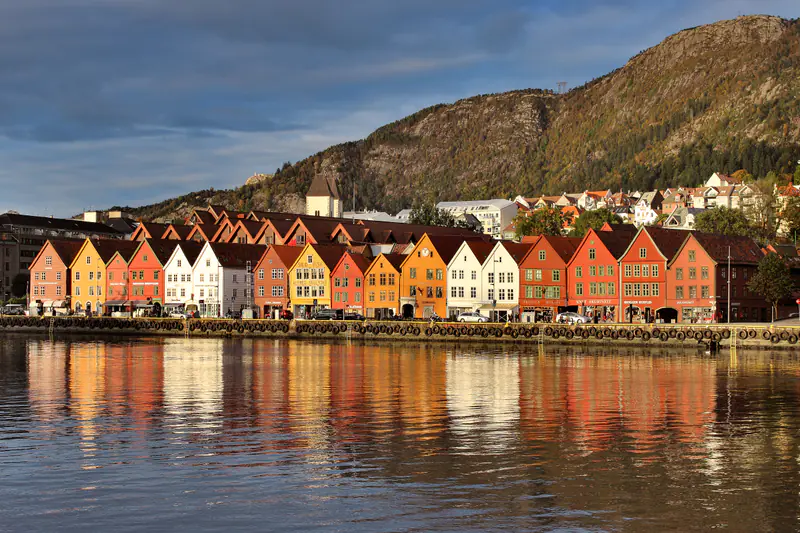
Norway's UNESCO World Heritage sites represent the remarkable intersection of dramatic natural landscapes and centuries of maritime, industrial, and cultural achievement along the North Atlantic coast. The country's heritage encompasses spectacular fjord systems carved by ancient glaciers alongside historic trading posts, mining towns, and wooden architectural traditions that developed in response to challenging northern environments. The architectural and industrial legacy demonstrates exceptional adaptation to Nordic conditions, with distinctive wooden buildings, innovative mining operations, and trading networks connecting Scandinavia to broader European commerce. These sites preserve construction techniques, commercial practices, and community organizations developed across centuries of resource extraction and maritime trade. Natural heritage sites protect glacially sculpted landscapes of exceptional scenic beauty, with deep fjords, towering cliffs, and cascading waterfalls representing geological processes of outstanding universal significance. Together, Norway's heritage sites reflect the ingenuity of northern communities extracting resources and conducting trade in challenging environments, the exceptional natural beauty of fjord landscapes, and ongoing conservation efforts protecting both cultural traditions and pristine natural environments.
Essential Information
Visa Requirements
Norway is part of the Schengen Area, allowing visa-free travel for citizens of the European Union, EEA countries, Switzerland, and many other nations including the United States, Canada, Australia, and Japan for stays up to 90 days within a 180-day period. Visitors from countries requiring Schengen visas should apply through Norwegian embassies or consulates before travel. Passports must be valid for at least three months beyond the intended departure date. Norway is not an EU member, so different customs regulations may apply.
Currency
The official currency is the Norwegian Krone (NOK), with exchange rates approximately 10-11 NOK per USD. Norway is an expensive destination with high prices for accommodation, dining, and activities. Credit and debit cards (Visa, Mastercard) are universally accepted, with contactless payments extremely common even for small purchases. Many establishments are effectively cashless, though ATMs remain available in cities and towns. Tipping is not expected but appreciated for exceptional service. Budget travelers should prepare for significantly higher costs than most European destinations.
Language
The official languages are Norwegian (Bokmål and Nynorsk) and Sami in certain northern regions. English proficiency is exceptionally high throughout Norway, with virtually all Norwegians in tourist areas speaking fluent English. Heritage sites, museums, transportation, and tourist services operate seamlessly in English. Signage is typically in Norwegian but English information is readily available. Learning basic Norwegian phrases (*hei* for hello, *takk* for thank you) is appreciated but not necessary. Tourist information is universally available in English throughout the country.
Climate
Norway's climate varies dramatically from the mild, rainy western coast influenced by the Gulf Stream to the colder, drier interior and Arctic north. Bergen and the western fjords experience mild, wet conditions year-round with summer temperatures around 15-20°C and frequent rainfall. Oslo has continental climate with warmer summers (20-25°C) and cold winters (-5 to 0°C). The best visiting period is May-September when days are long, temperatures pleasant, and attractions fully operational. June-July offers midnight sun in the north, while winter brings Northern Lights viewing opportunities.
Featured Heritage Sites
Last updated: 24 December 2025