
Belgium • UNESCO World Heritage Site
Bruges: Medieval Trading Center & Flemish Art Heritage
Venice of the North with Gothic Architecture
Inscribed: 2000
Category: Cultural
ID: #996
What Is Historic Centre of Brugge and Why Visit?
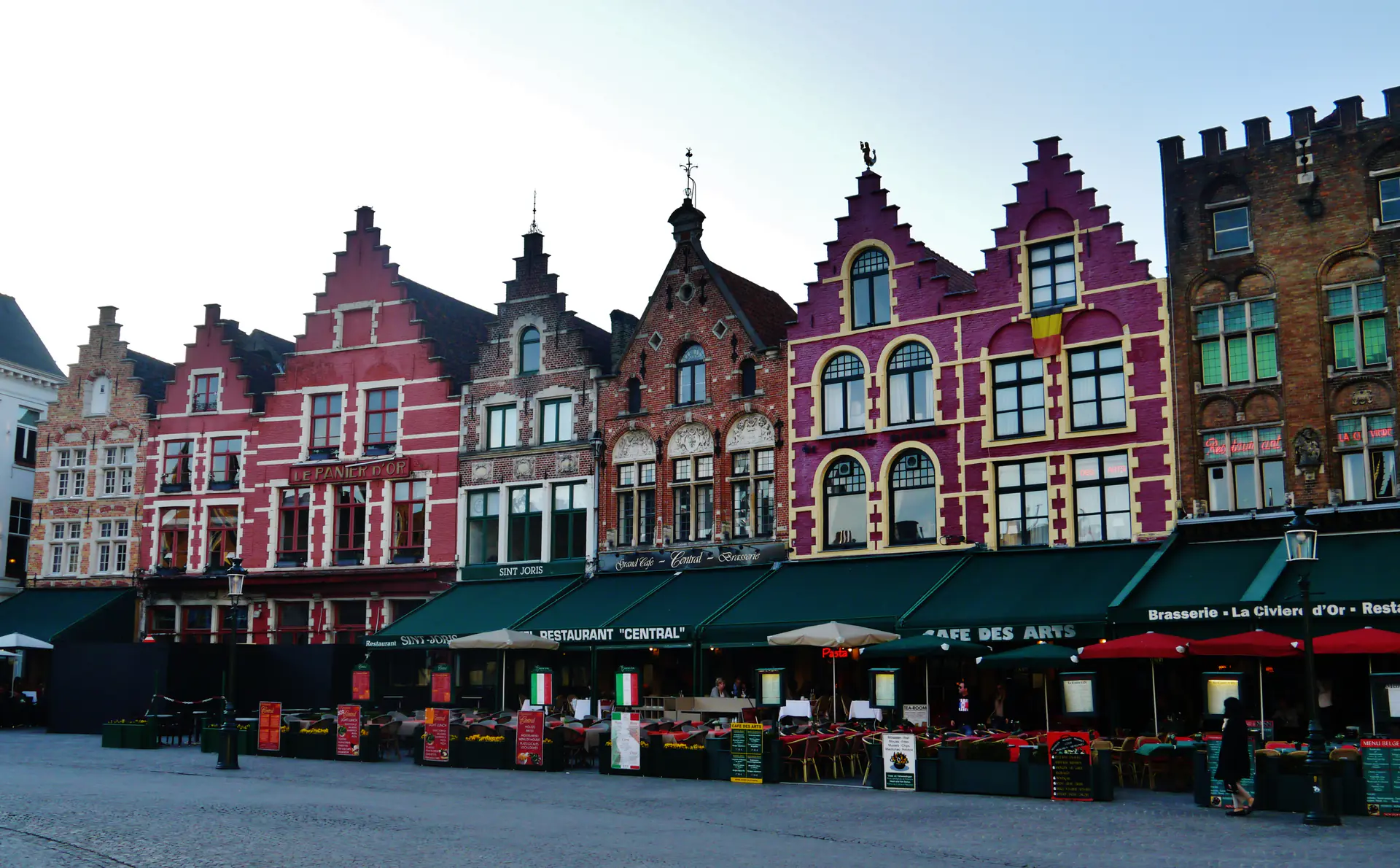
Medieval merchants and craftsmen transformed Bruges into northern Europe's wealthiest trading center during the 13th-15th centuries, creating exceptional Gothic and Flemish architecture that survives remarkably intact today. The city's network of canals, which connected inland Bruges to the North Sea enabling international commerce, earned it the nickname "Venice of the North." Bruges became the birthplace of Flemish Primitive painting when artists like Jan van Eyck and Hans Memling established revolutionary oil painting techniques here during the 15th century. The 83-meter Belfry of Bruges, completed in the 15th century, dominates the medieval skyline after climbing 366 steps, while the Basilica of the Holy Blood preserves a sacred relic brought from Jerusalem in 1150.
Why It Matters
Bruges represents an exceptional medieval commercial city whose historic architecture, urban fabric, and canal network remain remarkably preserved, demonstrating the economic and cultural influence of Flemish trading centers during the medieval period while serving as the birthplace of the Flemish Primitive painting movement that revolutionized European art.
How to Visit Historic Centre of Brugge
Essential information for visiting this destination
How to Get to Historic Centre of Brugge
Brussels Airport connects to Bruges via hourly trains from Brussels-Noord/Central/Zuid stations (90 minutes, €15-20 / $17-23 USD). Direct trains from Brussels center reach Bruges in 60 minutes. Eurostar passengers arriving Brussels-Midi connect immediately via Belgian Railways. Amsterdam Schiphol offers trains to Bruges (3.5 hours) with one change. Paris-Brussels Thalys (1h22) enables same-day excursions. London connects via Eurostar to Brussels (2 hours) with onward rail.
Bruges station sits 1.5 kilometers south with frequent buses (lines 1, 11, 16) reaching Markt in 10 minutes (€3 / $3.50 USD). Pleasant 20-minute walks along canals connect station to center. Taxis charge €8-12 ($9-14 USD). Bicycle rentals offer exploration (€12-15 / $14-17 USD daily).
Best Hotels Near Historic Centre of Brugge
Boutique hotels within the UNESCO center provide atmospheric medieval accommodations with canal views, timber beams, and central locations near Markt. Premium properties like The Pand and Hotel Dukes' Palace occupy historic guild houses charging €200-350 ($235-410 USD) nightly. Book months ahead for peak season (April-October) and Christmas markets.
Mid-range hotels along quieter canal streets offer comfortable facilities in renovated townhouses at €120-180 ($140-210 USD). Family-run guesthouses and B&Bs provide personal service, Belgian breakfast, and insider tips at €90-140 ($105-165 USD).
Budget travelers find hostels near the station at €25-45 ($29-52 USD) dormitory or €65-90 ($76-105 USD) private rooms. Frequent buses and bike paths enable easy access. Chain hotels in outer neighborhoods offer parking away from cobblestone charm.
Where to Eat Near Historic Centre of Brugge
Flemish cuisine celebrates rich stews, fresh seafood, and Belgium's famous frites served with mayonnaise or specialty sauces. Traditional restaurants prepare stoofvlees (beef carbonade in Belgian beer), waterzooi (creamy chicken stew), and North Sea mussels during September-April. Local establishments serve classics at €18-28 ($21-33 USD).
Bruges sustains chocolate-making heritage with artisan chocolatiers creating pralines and truffles. The Chocolate Line and Dumon craft exceptional selections (€3-5 / $3.50-6 USD per 100g). Beer cafés pour hundreds of Belgian ales including local Brugse Zot and Trappist beers (€4-7 / $5-8 USD). Michelin-starred restaurants like De Karmeliet showcase Flemish-French fusion at €120-200 ($140-235 USD). Lunch deals offer value at €15-25 ($17-29 USD). Waffles from vendors (€3-5) make popular snacks.
Historic Centre of Brugge Entry Fees & Tour Prices
Belfry tower admission costs €14 ($16 USD) for adults (€12 / $14 USD for students) with free entry for under-12s, including the challenging 366-step climb to panoramic viewpoints. Groeninge Museum entry costs €14 ($16 USD) showcasing Flemish Primitive masterworks. Combined museum passes offer better value: Musea Brugge Card (€28 / $33 USD) grants unlimited access to 11 city museums for 3 consecutive days including Groeninge, Memling, and Gruuthuse.
Canal boat tours cost €14 ($16 USD) per person for 30-minute guided excursions departing from five locations. Chocolate making workshops at various chocolatiers cost €45-75 ($52-88 USD) for hands-on 2-hour experiences creating Belgian pralines. Beer tasting experiences combining brewery tours and tastings cost €25-40 ($29-47 USD).
Bicycle rentals range €12-20 ($14-23 USD) daily enabling countryside excursions to Damme village (7 kilometers) along scenic canal paths. Walking tours (free tips-based or €15-20 / $17-23 USD paid) explore hidden courtyards and medieval history. The annual Procession of the Holy Blood (Ascension Day, free viewing) presents spectacular medieval pageantry. Day trips from Brussels cost €65-95 ($76-112 USD) including roundtrip rail and guided walking tour.
What to Bring to Historic Centre of Brugge
Comprehensive travel insurance covering medical care proves essential for Belgium, while European Health Insurance Cards provide EU citizens reciprocal healthcare access. Travel eSIM plans offering European data enable navigation, reservations, and ticket confirmations without roaming charges.
Maritime climate brings frequent rain year-round necessitating waterproof jackets. Layered clothing accommodates temperature variations between canal walks and museums. Comfortable shoes with good grip navigate cobblestones and Belfry stairs. Belgium uses Type C/E outlets requiring adapters. Credit cards accepted widely though small shops prefer cash. ATMs dispense euros.
Pre-book attractions online including Belfry and Groeninge to skip queues during summer. Purchase rail tickets ahead via SNCB for discounts. April-June and September-October offer ideal weather with manageable crowds. Winter brings Christmas markets and lower rates despite cold and early sunset (16:30).
Loading map...
Visitor Information
Everything you need to know for your visit
What to Bring
Comfortable walking shoes for extensive cobblestone streets and 366 Belfry steps. Light rain jacket as weather changes frequently with North Sea maritime climate. Camera for canal photography and architecture. Small daypack for purchased chocolates and souvenirs. Reusable water bottle. Sunglasses and sun protection during summer months. Credit card as most establishments accept cards.
Accessibility
Historic center features extensive cobblestone streets and medieval buildings without elevators, presenting accessibility challenges. Canal boats offer limited wheelchair access with advance arrangement. Belfry tower inaccessible due to 366 narrow medieval steps. Many museums including Groeninge provide wheelchair access via modern facilities. Visitor center offers accessible information and toilets. Advance contact with accommodation providers recommended for mobility needs.
Safety Tips
Cobblestone streets become slippery when wet requiring careful walking especially near canal edges. Watch for bicycles sharing narrow medieval streets with pedestrians. Belfry stairs are steep, narrow, and worn demanding good physical condition and non-slip footwear. Pickpockets target tourist-heavy areas around Markt Square and main shopping streets necessitating secure bag storage. Evening canal areas poorly lit requiring caution after dark.
Medieval Landmarks and Cultural Treasures

Must-See
Belfry of Bruges
The Belfry towers 83 meters above the Markt, dominating Bruges' skyline since the 13th century. Climbing 366 worn stone steps rewards visitors with breathtaking 360-degree panoramas across medieval rooftops, canal network, and Flemish countryside extending to the North Sea. The tower houses a historic 47-bell carillon dating from 1741, with automated concerts at quarter-hour intervals and live performances on specific days. The Treasury chamber halfway up once secured municipal charters, seals, and public funds behind reinforced medieval doors still visible today.
Pro tip: Climb immediately when it opens at 09:30 (arrive 15 minutes early) to experience the narrow spiral staircase without crowds and photograph panoramic views in optimal morning light before haze develops--the carillon bells chime loudly at 09:45 providing dramatic soundtrack.
Must-See
Groeninge Museum - Flemish Primitives
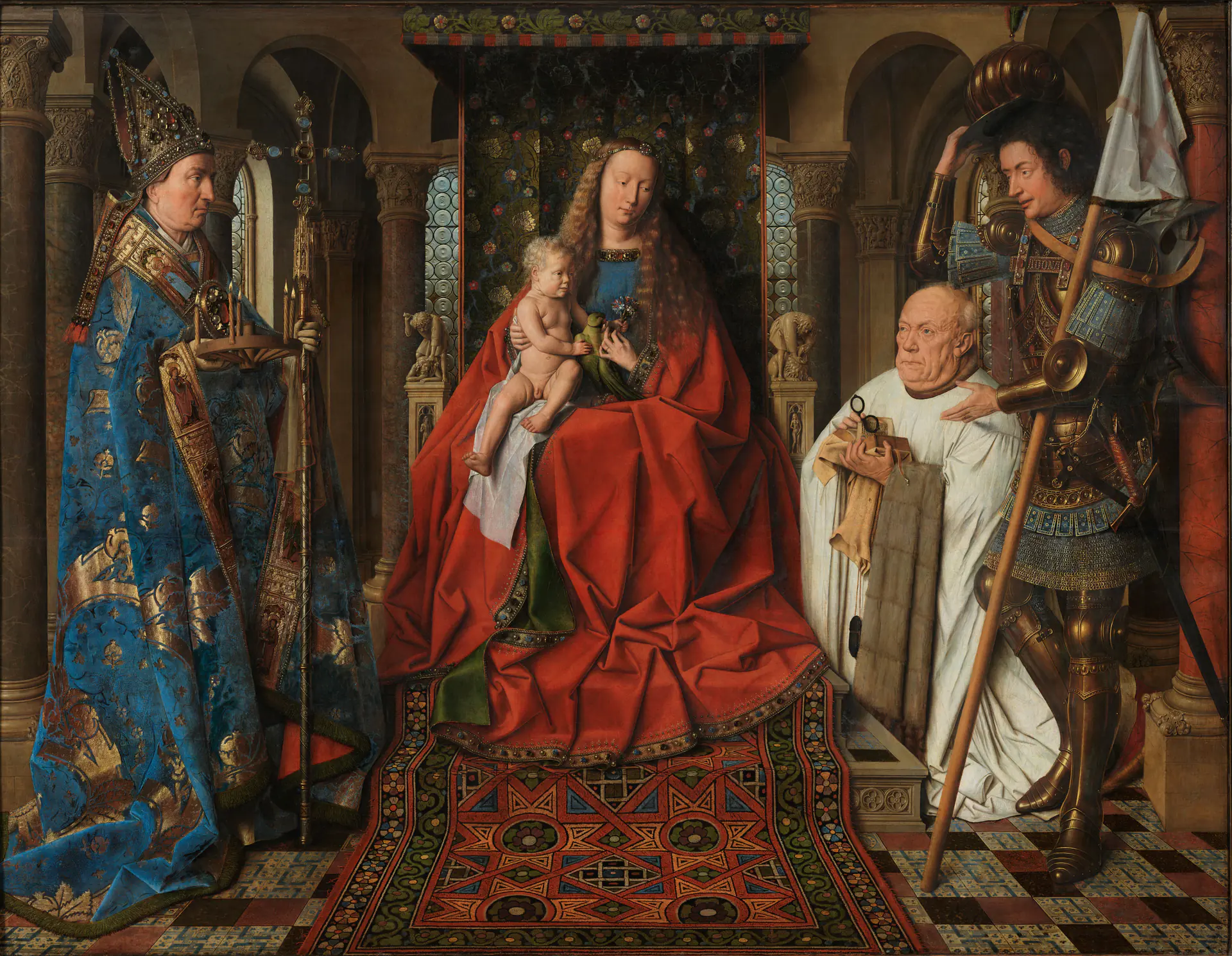
The Groeninge Museum houses the world's finest Flemish Primitive collection showcasing revolutionary 15th-century works by Van Eyck, Memling, and Gerard David. Van Eyck's "Madonna with Canon van der Paele" (1436) demonstrates extraordinary detail with fabric textures and facial features rendered with microscopic precision. Memling's serene works contrast with elaborate triptychs. Compact galleries enable focused contemplation of masterworks representing Bruges' cultural golden age when trade wealth funded artistic patronage.
Pro tip: Purchase the combined Groeninge and Memling in Sint-Jan Hospital ticket (€16, $18 USD) experiencing both essential collections--start at Groeninge by 10:00 viewing Van Eyck's masterpiece in natural lighting before afternoon crowds arrive.
Must-See
Basilica of the Holy Blood
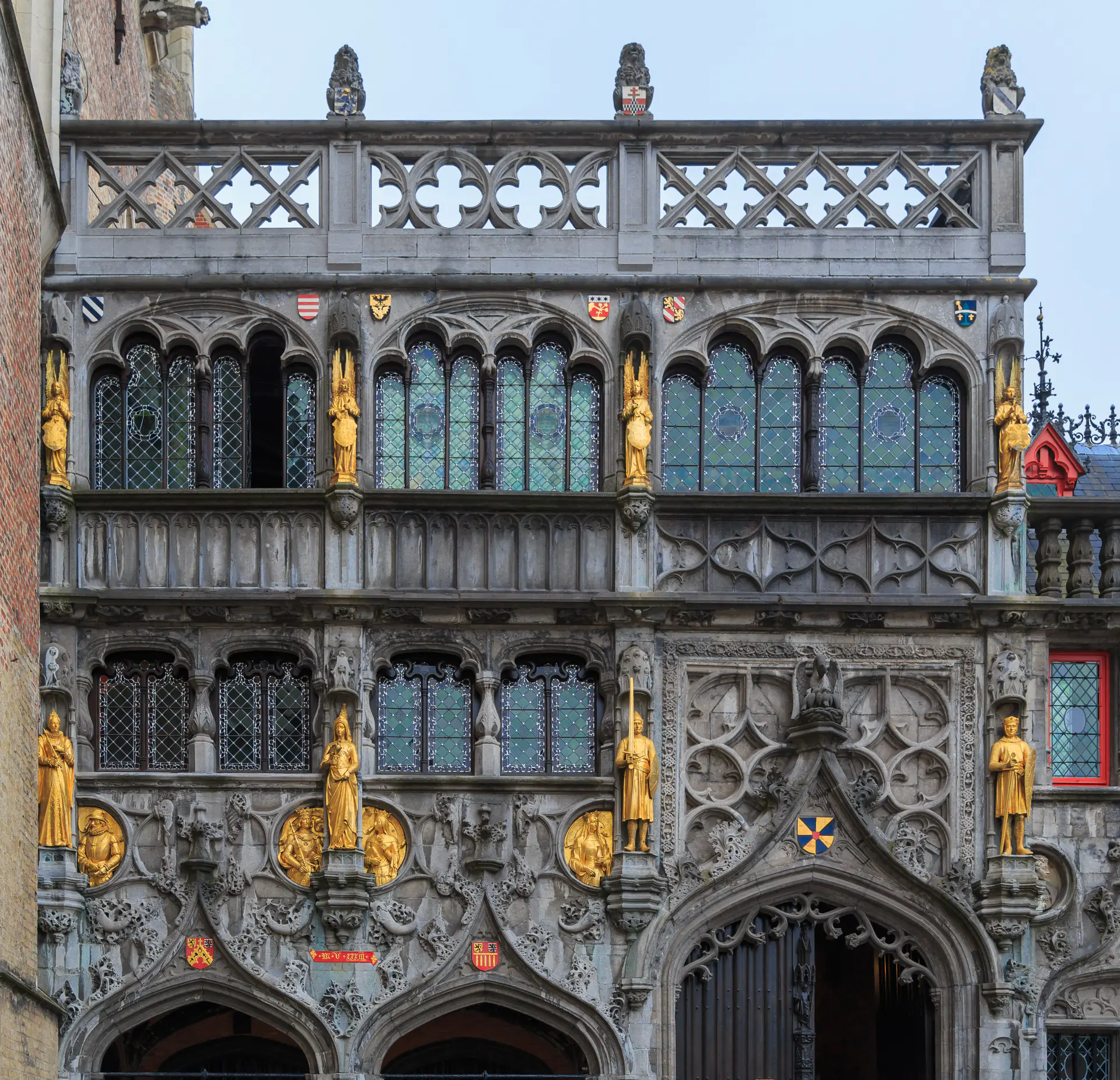
The Basilica combines a dark Romanesque lower chapel (1134-1157) with an ornate neo-Gothic upper chapel housing a venerated relic believed to contain Christ's blood brought from Jerusalem by Count Diederik van de Elzas in 1150. The sacred relic, preserved in a rock crystal vial within elaborate golden reliquaries, attracts pilgrims who view it during limited daily presentations. Each Ascension Day, the annual Procession of the Holy Blood carries the relic through streets in spectacular medieval pageant dating to 1291 with biblical tableaux, costumes, and thousands of participants watched by 30,000+ spectators.
Pro tip: Visit the lower Romanesque chapel first (often overlooked) to appreciate stark architectural contrast before ascending--arrive between 14:00-15:00 when the relic is presented for veneration (free, photography prohibited) experiencing this sacred tradition without morning tour crowds.
Recommended
Canal Boat Tours - Venice of the North
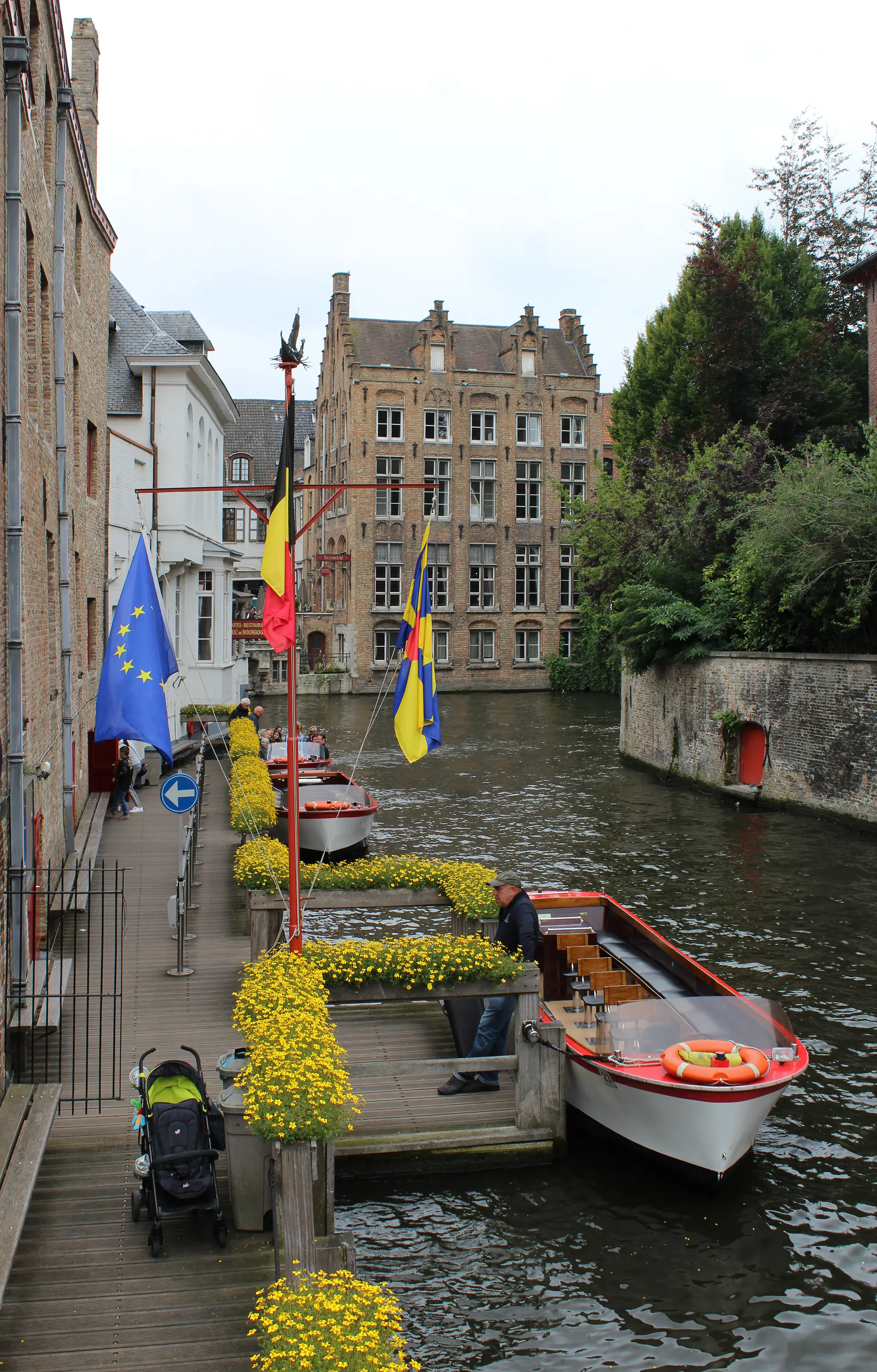
Medieval canals wind through the historic center offering unique perspectives on Gothic architecture, hidden courtyards, and charming bridges earning Bruges its "Venice of the North" nickname. Five departure points operate 30-minute guided tours gliding past merchants' houses, hospital complexes, and picturesque Bonifacius Bridge and Béguinage viewpoints inaccessible from streets. The canal system originally connected Bruges to North Sea port Damme enabling wool and cloth trade that generated medieval wealth before silting reduced maritime access. Spring months frame canals with weeping willows and blooming gardens.
Pro tip: Board from Dijver or Nieuwstraat landings (near Groeninge Museum) between 09:00-10:00 for first departures when calm water creates perfect reflections and soft light illuminates Gothic buildings--avoid peak midday (11:00-15:00) when crowded boats block optimal viewing.
Historical Context
9th-12th Century - Foundation and Growth
Count Baldwin I of Flanders established a fortified settlement in the 9th century to defend against Viking raids. Bruges developed around the burg (fortress) as a trading post, gaining city rights and expanding with churches, market squares, and defensive walls during the 11th-12th centuries.
13th-15th Century - Golden Age of Trade
Bruges became northern Europe's premier commercial center and one of the world's largest cities with approximately 45,000 inhabitants. The Hanseatic League, Italian merchants, and international traders conducted wool and cloth commerce through the canal connection to North Sea ports generating extraordinary wealth funding Gothic architecture and attracting master artists.
15th Century - Artistic Flowering
Flemish Primitive painters including Jan van Eyck (court painter from 1425), Hans Memling, and Gerard David revolutionized European art through innovative oil painting techniques, achieving unprecedented realism. Wealthy merchants and guilds commissioned religious and portrait works creating Bruges' artistic golden age.
16th-19th Century - Economic Decline
The Zwin channel silted progressively from the 1520s onward, cutting Bruges' maritime access and ending its role as major trading port. Antwerp eclipsed Bruges commercially. The city's population declined dramatically while medieval buildings remained largely unaltered due to economic stagnation, accidentally preserving the historic architecture.
20th Century-Present - Preservation and Tourism
Bruges' remarkably intact medieval character attracted growing tourism from the late 19th century. UNESCO World Heritage listing in 2000 recognized the historic center's exceptional preservation. The city became one of Europe's most visited destinations while managing conservation of fragile medieval fabric and maintaining authentic character.
Conservation
Current Status
The historic center maintains exceptional architectural integrity with strict preservation regulations protecting medieval urban fabric. Ongoing conservation addresses challenges from mass tourism, climate impacts, and aging building infrastructure while maintaining the city's living character.
Challenges
- Tourism pressure with over 8 million annual visitors causing wear on cobblestone streets, stress on medieval infrastructure, and overtourism impacts on residential character
- Rising groundwater levels and increased precipitation from climate change threatening medieval building foundations and accelerating decay of historic masonry
- Canal maintenance requiring regular dredging and water quality management to preserve historic waterway system while preventing degradation
- Building subsidence and structural instability in medieval structures due to soft subsoil conditions, age of foundations, and changing water table levels
- Balancing commercial tourism development with preservation of authentic residential neighborhoods and traditional local businesses facing displacement pressure
Conservation Efforts
- Comprehensive visitor management strategies limiting tour bus access, implementing pedestrian zones, and dispersing tourist flows through timed entry systems at major monuments
- Systematic building conservation programs using traditional Flemish construction techniques, lime mortars, and period-appropriate materials respecting historic character while ensuring structural stability
- UNESCO World Heritage monitoring providing technical expertise for preservation planning, tourism management strategies, and maintaining Outstanding Universal Value through regular assessments
- Canal restoration projects improving water quality through environmental controls, maintaining historic quay walls using traditional masonry methods, and preserving navigability for heritage boats
- Heritage protection regulations strictly controlling building alterations, exterior modifications, and commercial signage within the historic center maintaining authentic medieval streetscape appearance
Frequently Asked Questions
Absolutely - this exceptionally preserved medieval city offers outstanding Gothic architecture, world-class Flemish Primitive art in the Groeninge Museum, charming canal network, Belgium's finest chocolate shops, and authentic cultural experiences. Best visited April-June or September-October. Plan minimum full day or 2-3 days for comprehensive exploration.
Belfry admission €14, Groeninge Museum €14, canal tours €14, combined museum pass €28. Meals €15-28. Canal-view hotels €120-350 nightly. Brussels-Bruges train €15-20. Chocolate shops €3-5 per 100g. Budget €100-150 ($117-176 USD) daily for mid-range travel. Book tickets online at visitbruges.be.
Pre-booking recommended for Belfry tower and major museums during peak season (April-October) to skip ticket queues. Canal boats usually available without advance booking except summer weekends. Book accommodation 2-3 months ahead for best locations and rates. Restaurant reservations advised for popular establishments.
April-June and September-October offer ideal weather, manageable crowds, and comfortable temperatures for walking. December Christmas markets create magical atmosphere despite cold weather. Avoid July-August peak crowds and higher prices. Visit Tuesday-Thursday for fewer weekend tourists. Arrive early morning (before 10:00) for peaceful exploration.
Full day minimum covers Belfry, canal tour, Markt Square, and main streets. Two days enables Groeninge Museum Flemish art, Basilica of the Holy Blood, leisurely canal exploration, and chocolate shopping without rushing. Three days allows day trip to Damme, beer experiences, and hidden neighborhood discoveries.
Bruges lies 90 kilometers northwest of Brussels with direct trains departing hourly from Brussels-Central, Brussels-Nord, and Brussels-Zuid stations. Journey takes 60 minutes (€15-20 / $17-23 USD). Same-day excursions easily feasible. Driving takes 1.5 hours via E40 motorway though parking in historic center limited and expensive.
Bruges is a remarkably preserved medieval city in Belgium, famous for its Gothic architecture, canal network earning it the "Venice of the North" nickname, being birthplace of Flemish Primitive painting (Van Eyck, Memling), Belgian chocolate craftsmanship, and intact 13th-15th century urban fabric. UNESCO listed 2000.
Highlights include the 83-meter Belfry tower (366 steps, panoramic views), Groeninge Museum showcasing Van Eyck and Memling masterworks, scenic canal boat tours, Markt and Burg medieval squares, Basilica of the Holy Blood with sacred relic, artisan chocolate shops, historic breweries, and cobblestone streets lined with Gothic buildings.
Count Baldwin I of Flanders founded the fortified settlement in the 9th century for defense against Viking raids. Medieval merchants, wealthy guilds, and the city government constructed the surviving Gothic architecture during Bruges' commercial golden age in the 13th-15th centuries when it ranked among Europe's largest and wealthiest cities.
The Flemish Primitives were revolutionary 15th-century painters including Jan van Eyck, Hans Memling, and Gerard David who pioneered oil painting techniques in Bruges, achieving unprecedented realism and detail. Their masterworks displayed at Groeninge Museum transformed European art and established Flemish painting traditions.
Yes, traditional canal boat tours operate year-round from five departure points throughout the historic center (€14 / $16 USD per person). Multilingual 30-minute guided tours showcase medieval architecture, hidden courtyards, and picturesque bridges from unique water perspectives. Most atmospheric early morning or late afternoon.
UNESCO World Heritage Criteria
Inscribed in 2000, this site meets 3 of UNESCO's 10 criteria for Outstanding Universal Value
II
Criterion (ii): Interchange of human values
Bruges demonstrates exceptional European urban influence through its medieval commercial wealth that enabled Gothic architectural innovation and fostered the Flemish Primitive painting movement. Van Eyck, Memling, and contemporaries revolutionized European art through pioneering oil painting techniques developed here.
IV
Criterion (iv): Outstanding architectural/technological ensemble
The historic center represents an outstanding medieval commercial city with exceptionally preserved Gothic civic buildings including the Belfry and Town Hall, merchants' houses, religious structures, and intact medieval street patterns and canal network demonstrating wealthy Flemish trading typology.
VI
Criterion (vi): Associated with events/traditions/ideas/beliefs/artistic works
Bruges maintains direct association with the Flemish Primitive painting movement that transformed European art. Van Eyck, Memling, and Gerard David worked here developing revolutionary oil painting techniques and unprecedented realism establishing Renaissance art foundations, with masterworks preserved in city museums.
Image & Content Attribution
Research & Content Sources
Photography & Visual Media
Zairon, CC BY-SA 4.0
CEphoto, Uwe Aranas, CC BY-SA 3.0
CEphoto, Uwe Aranas, CC BY-SA 3.0
Dguendel, CC BY 4.0
Last updated: 15 January 2025