
Norway • UNESCO World Heritage Site
Bryggen: Bergen's Colorful Medieval Timber Wharf and Museums
German Trading Post Controlling Norwegian Fish Commerce
Inscribed: 1979
Category: Cultural
ID: #59
What Is Bryggen and Why Visit?
German merchants from the Hanseatic League established Bryggen as Bergen's principal trading enclave around 1360, creating Norway's most important commercial center for stockfish export to feed European markets across four centuries of maritime dominance. The distinctive wooden buildings showcase medieval Bergen's commercial prosperity through authentic architectural heritage preserving traditional timber construction methods passed down through generations of Norwegian craftsmen. Following devastating fires in 1702 and 1955, careful reconstruction preserved the original medieval street layout with characteristic narrow passages between parallel building rows. Today 62 protected timber structures demonstrate exceptional testimony to the Hanseatic League's commercial influence across Northern Europe while maintaining active use as shops, galleries, and restaurants within Bergen's vibrant waterfront district.
Why It Matters
Bryggen represents exceptional testimony to the Hanseatic League commercial network that dominated Northern European trade for four centuries. The authentic wooden architecture and preserved medieval street layout demonstrate traditional Norwegian timber construction techniques and reveal the cultural exchange between German merchants and Norwegian communities.
How to Visit Bryggen
Essential information for visiting this destination
How to Get to Bryggen
Bergen Airport Flesland connects internationally with direct flights from major European cities including London, Amsterdam, and Copenhagen, positioned 20 kilometers south of city center with efficient airport bus services departing every 15 minutes. The Bergen Light Rail provides modern tram connections linking the airport to city center in 45 minutes with comfortable service throughout the day. Norway's scenic Bergen Railway offers one of Europe's most beautiful train journeys from Oslo covering 496 kilometers through spectacular mountain landscapes in 7 hours, making the route itself a memorable experience. Bergen serves as the terminus for Norway's famous coastal ferry Hurtigruten, enabling arrivals by sea along dramatic fjord coastlines.
Best Hotels Near Bryggen
Central Bergen hotels within walking distance of Bryggen offer convenient access to the historic wharf and surrounding cultural attractions, though commanding premium prices during peak summer season May through September when advance booking becomes essential. Historic hotels in converted merchant buildings provide authentic atmosphere and harbor views though limited modern amenities.
Budget travelers find hostels and guesthouses in residential neighborhoods 10-15 minutes walking from Bryggen, offering affordable Norwegian accommodation standards with shared facilities and simple breakfast service. Public transportation connects economical options to city center.
Upscale waterfront properties feature Norwegian design aesthetics, excellent restaurants, and premium facilities catering to luxury travelers seeking contemporary comfort. Book 2-3 months ahead for summer visits when Bergen becomes extremely popular with international tourists and cruise ship passengers.
Where to Eat Near Bryggen
Bergen's waterfront Fish Market provides authentic Norwegian seafood experiences with vendors selling fresh salmon, king crab, and traditional fish soups throughout the day, offering both prepared meals and raw ingredients. Local specialties include fiskesuppe (creamy fish soup), raspeballer (potato dumplings), and persetorsk (pressed cod) reflecting Bergen's maritime heritage. Traditional Norwegian restaurants near Bryggen serve seasonal dishes featuring local lamb, game, and forest mushrooms prepared using regional cooking methods. Modern Nordic cuisine restaurants reinterpret traditional ingredients through contemporary techniques. Cozy cafés offer Norwegian pastries including skillingsbolle (cinnamon buns) and krumkake (delicate waffle cookies) with excellent coffee. Bergen's dining scene emphasizes fresh local ingredients, sustainable fishing practices, and seasonal Norwegian produce.
Bryggen Entry Fees & Tour Prices
Bryggen walking tour free (public alleyways). Hanseatic Museum NOK 120 ($11 USD) adults, children under 16 free. Bryggens Museum NOK 130 ($12 USD) adults, children free. Combined museum pass NOK 200 ($19 USD) includes both museums. Guided walking tours NOK 250-350 ($23-33 USD) per person with English-speaking guides. Fløibanen funicular to Mount Fløyen NOK 120 ($11 USD) round-trip for panoramic city views. Bergen Card NOK 310-510 ($29-48 USD) for 24-72 hours provides free museum entry, public transport, and restaurant discounts. Fish Market visits free, fresh seafood meals NOK 150-400 ($14-38 USD). Traditional Norwegian dinner NOK 300-600 ($28-57 USD). Day trips to nearby fjords NOK 850-1,500 ($80-142 USD). Kayaking tours in Bergen harbor NOK 650 ($61 USD). Photography workshops focusing on Bryggen architecture NOK 900 ($85 USD).
What to Bring to Bryggen
Comprehensive travel insurance covering medical emergencies essential as Norway's healthcare costs rank among Europe's highest, with even minor treatments potentially expensive for international visitors requiring immediate coverage. International eSIM cards or European roaming plans recommended for data connectivity enabling navigation apps, museum audio guides, and real-time public transport information throughout Bergen and surrounding regions.
Norway uses Type F electrical outlets (230V). Bergen experiences exceptionally high rainfall averaging 235 rainy days annually, making waterproof outerwear absolutely essential regardless of season--pack quality rain jacket and waterproof footwear for comfortable sightseeing. Summer temperatures remain moderate 12-18°C requiring layered clothing. Winter visits need warm insulated clothing as temperatures drop to 0-5°C with frequent precipitation. Norwegian Krone (NOK) is official currency though credit cards accepted universally. Bergen is expensive by international standards requiring appropriate budget planning. ATMs widely available for cash withdrawals.
Loading map...
Visitor Information
Everything you need to know for your visit
What to Bring
Waterproof jacket and layered clothing for changeable Bergen weather with frequent rain showers throughout the year. Comfortable walking shoes for cobblestone streets and uneven surfaces. Camera for photographing colorful building facades and narrow alleyways. Small backpack for purchases from artisan shops and galleries.
Accessibility
Challenging accessibility due to historic cobblestone streets, uneven surfaces, and narrow passages between buildings creating difficult wheelchair navigation. Hanseatic Museum features steep staircases without elevator access. Some ground-floor galleries and shops offer limited accessible entry. Modern museums nearby provide better wheelchair facilities.
Safety Tips
Cobblestone streets become extremely slippery when wet, requiring appropriate footwear with good traction. Bergen experiences high rainfall year-round with sudden weather changes common even during summer months. Narrow alleyways between wooden buildings can be dark and uneven, requiring careful footing. Winter conditions bring ice and snow making surfaces treacherous. Stay aware of surroundings in crowded tourist areas.
Treasures of the Hanseatic Trading Post
Must-See
Walking Through Medieval Alleyways
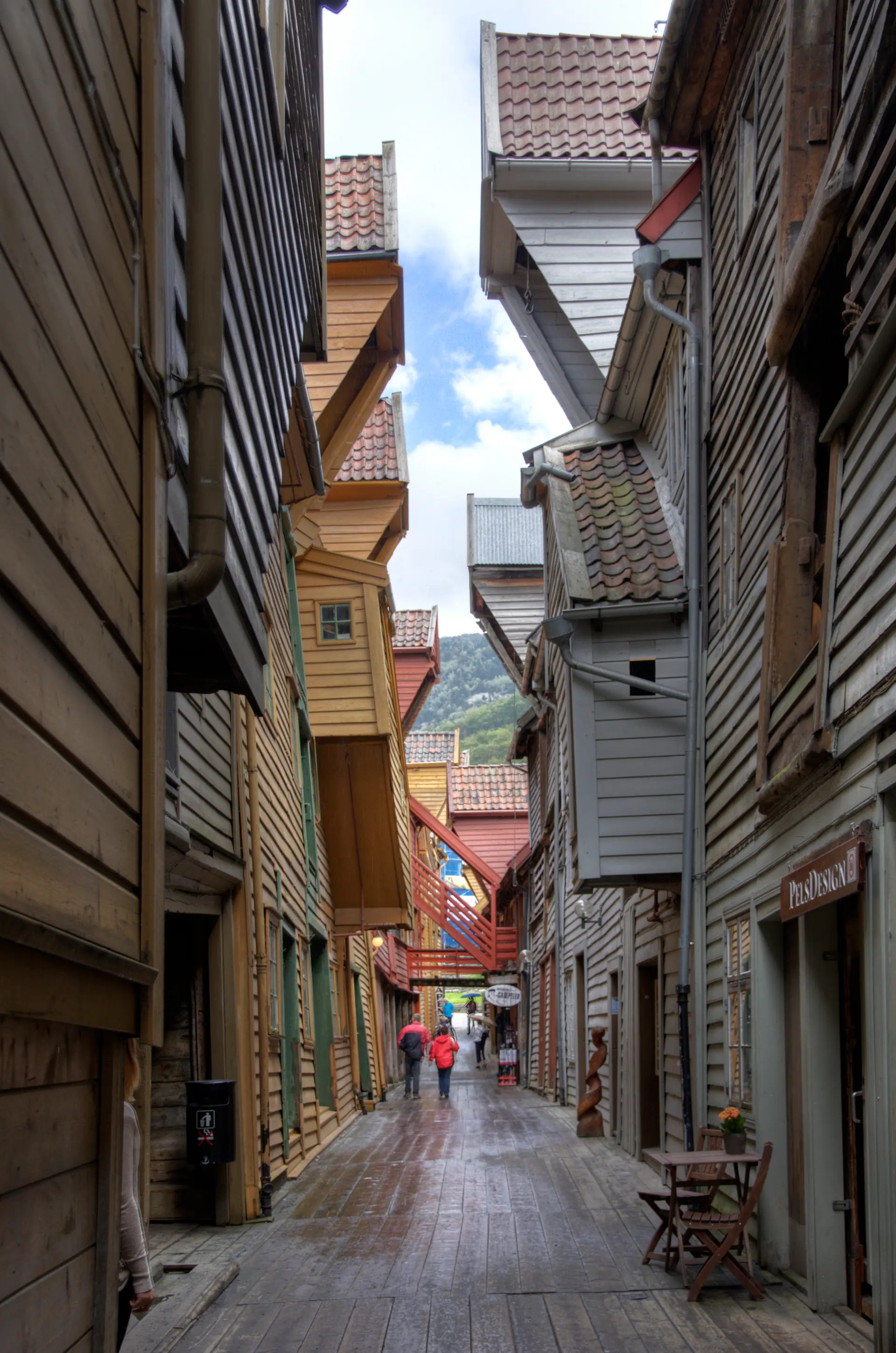
The narrow passageways between Bryggen's parallel building rows transport visitors directly into medieval Bergen's commercial heart, where German merchants and Norwegian workers conducted daily business for over four centuries. These atmospheric corridors, some barely wide enough for two people to pass, feature uneven cobblestones worn smooth by countless footsteps since the 14th century. Original timber construction techniques remain visible in exposed beams and traditional joints connecting massive wooden posts. The passages create fascinating light and shadow patterns throughout the day as sunlight filters between buildings.
Pro tip: Visit the alleyways between 8-9 AM before tour groups arrive--you'll have the narrow passages almost entirely to yourself for atmospheric photographs capturing the authentic medieval character without modern crowds, and the early morning light creates beautiful shadows between the wooden buildings.
Must-See
Hanseatic Museum and Schøtstuene
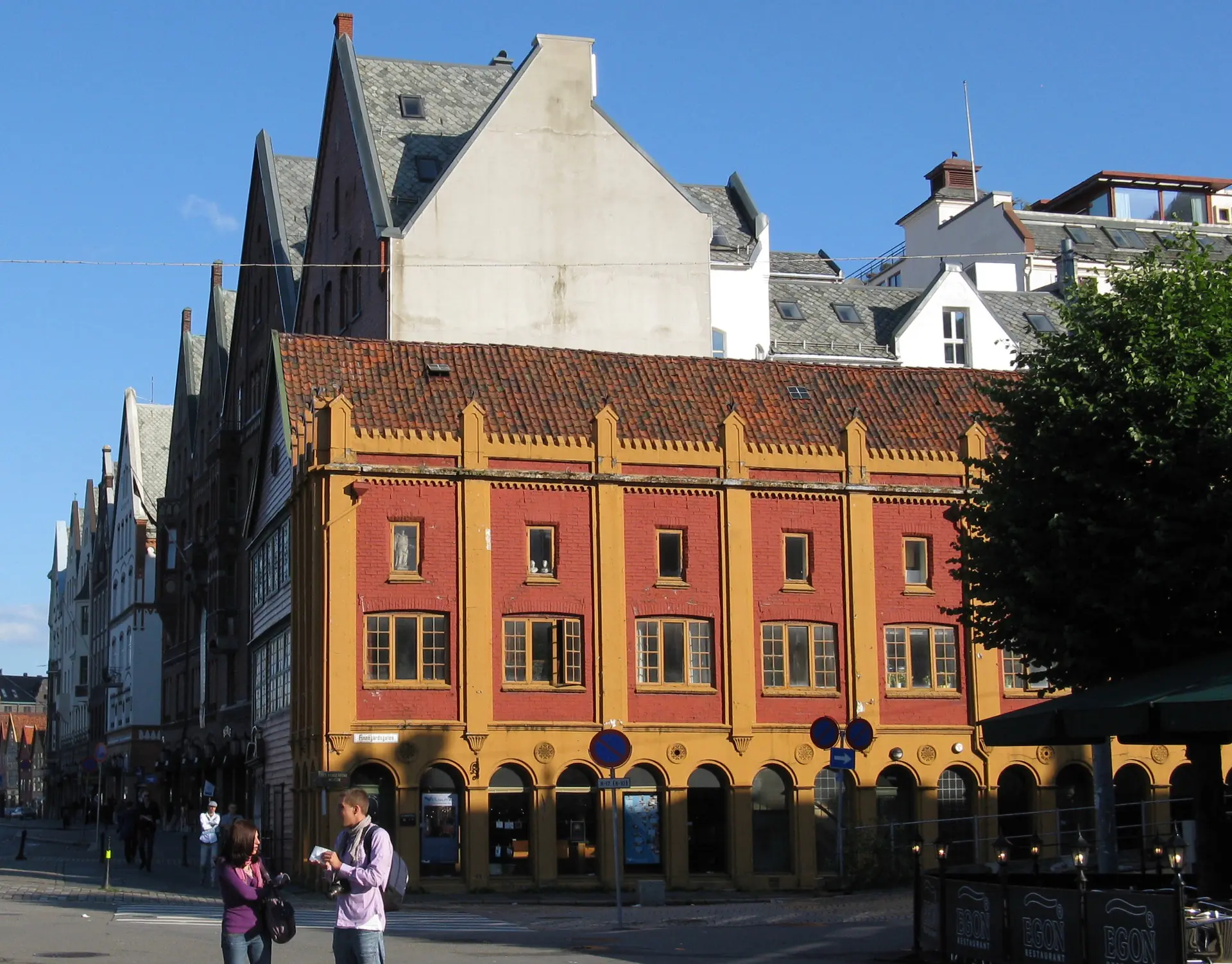
This perfectly preserved 1704 merchant building offers unprecedented insight into the strict hierarchical lives of German Hanseatic traders who controlled Bergen's fish trade. The museum showcases authentic furnishings, cramped sleeping quarters where apprentices endured harsh conditions, and sophisticated storage systems for valuable stockfish exports. Original accounting books reveal the meticulous record-keeping that made the Hanseatic League commercially dominant. The adjacent Schøtstuene assembly rooms feature the only heated spaces where merchants could gather during Norway's bitter winters, complete with original fireplaces and meeting tables. Together these sites demonstrate the powerful commercial network connecting Bergen with Lübeck, Hamburg, and other Baltic trading cities.
Pro tip: Join the 11 AM guided tour (included with NOK 120 / $11 USD admission) led by knowledgeable historians who share fascinating details about daily merchant life, punishment systems for apprentices, and the strict German-only language rules that isolated traders from Norwegian society for generations.
Recommended
Colorful Wooden Facades
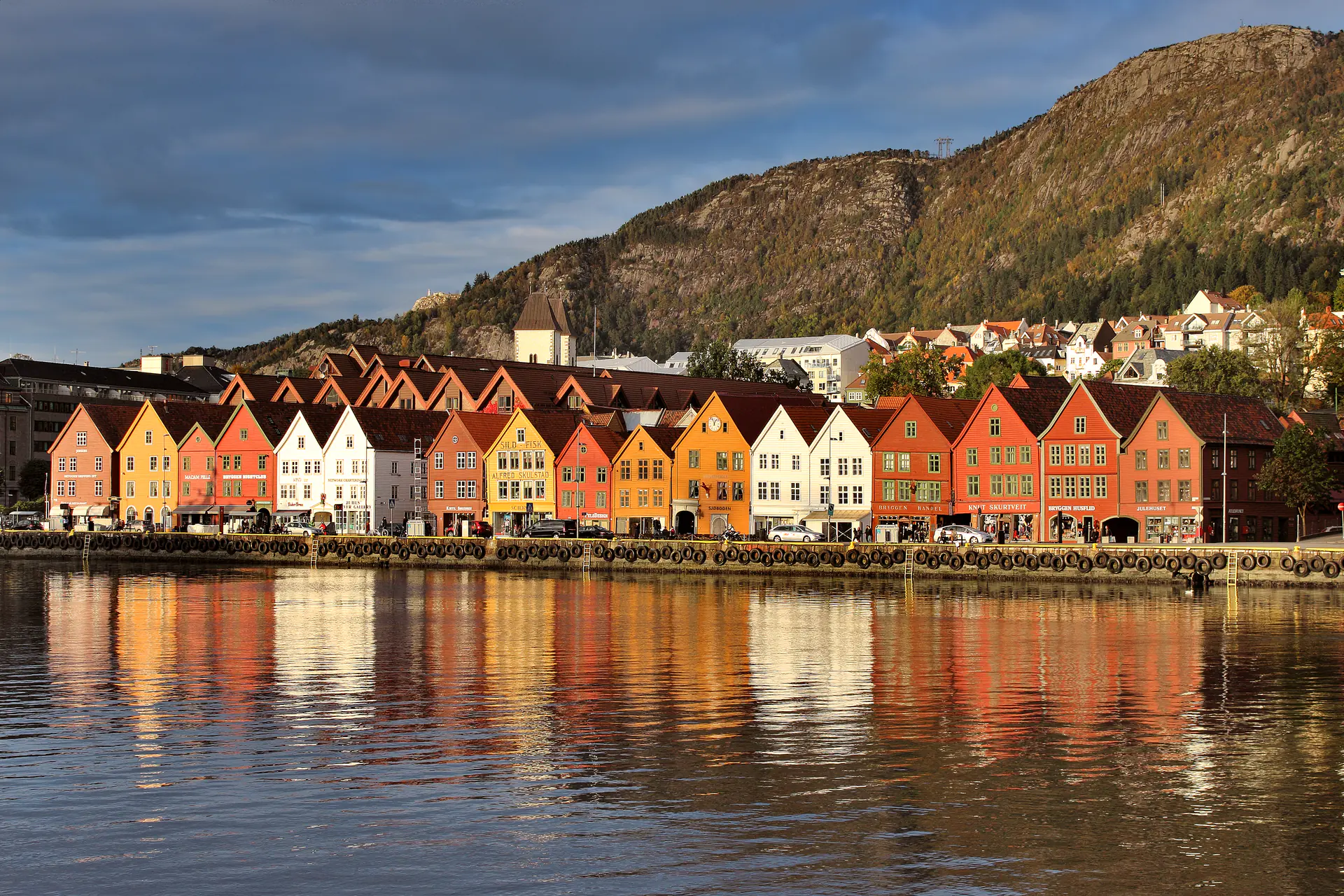
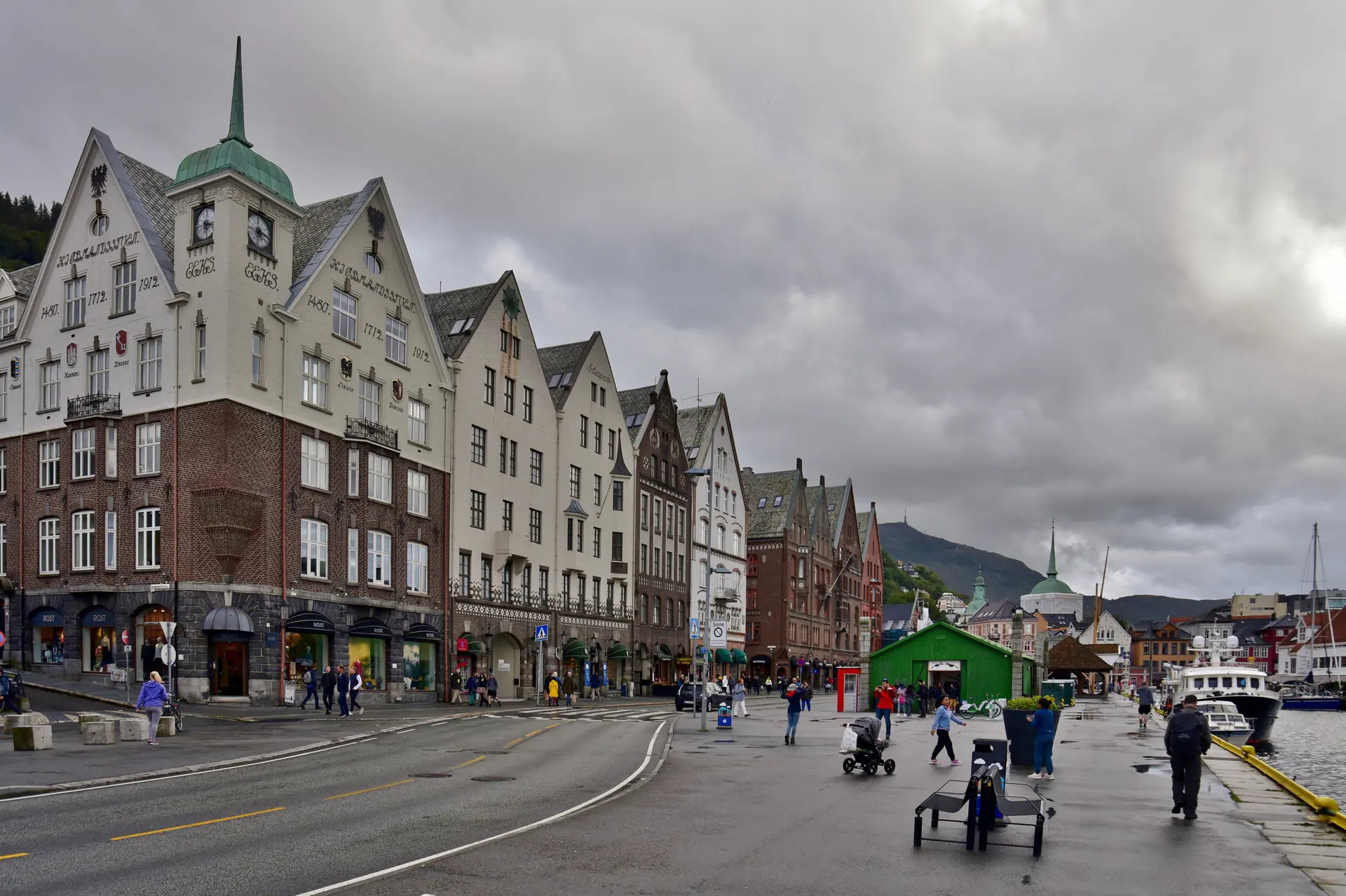
Bryggen's iconic painted facades create Bergen's most photographed vista, with red, yellow, and white timber buildings reflecting in the calm harbor waters. While many visitors assume the bright colors represent medieval tradition, the current palette actually emerged during 20th-century reconstructions following devastating fires. Today's vibrant appearance combines traditional Norwegian timber construction with modern protective paint treatments designed to preserve wood in Bergen's exceptionally wet climate. The facades demonstrate skilled craftsmanship maintaining structural integrity while adapting to contemporary preservation requirements.
Pro tip: Photograph the facades from the opposite side of Vågen harbor near the Fish Market around 4-5 PM when afternoon sunlight illuminates the buildings' western faces--this angle captures the complete waterfront panorama with perfect lighting and includes harbor reflections impossible from street-level perspectives.
Recommended
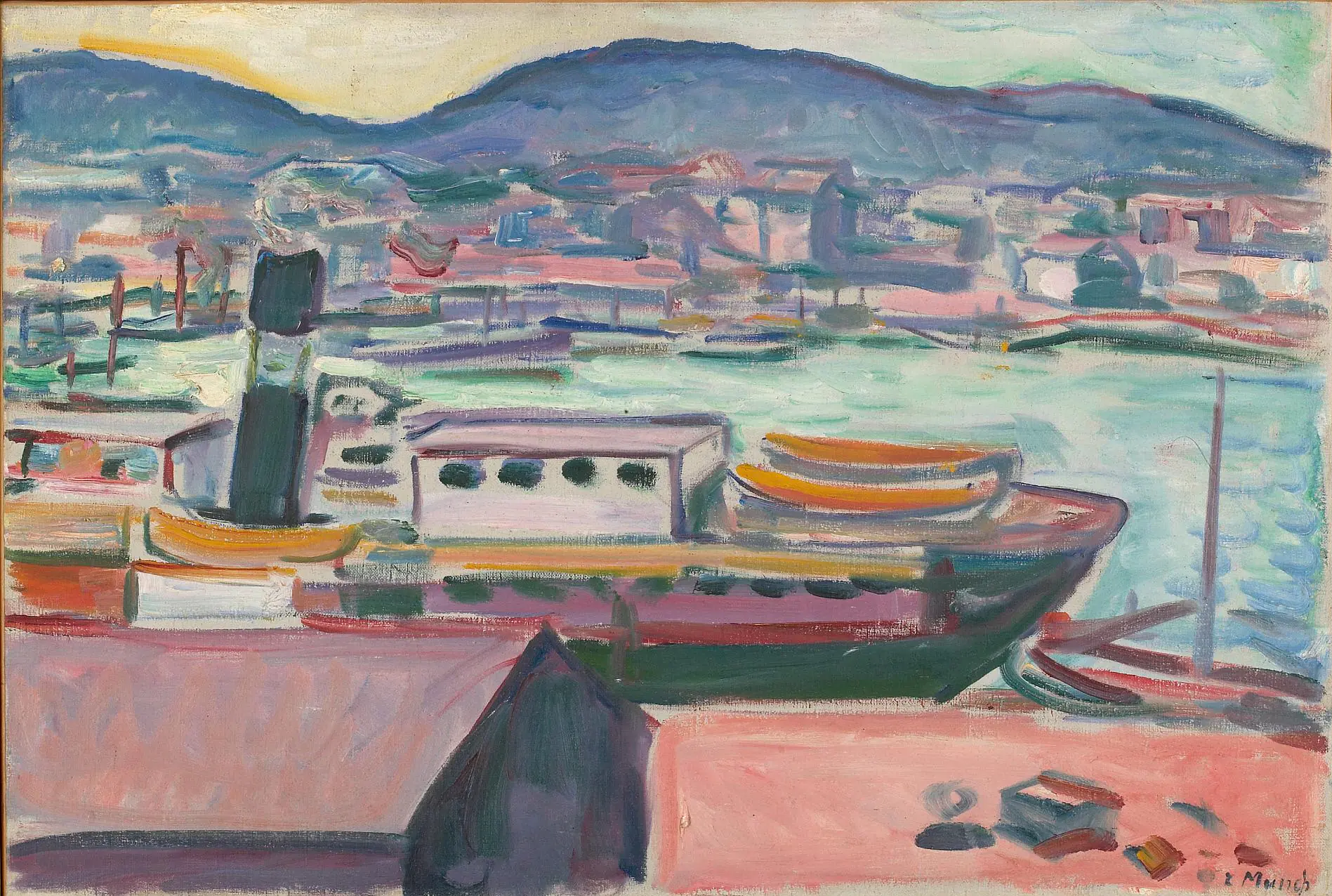
Bryggens Museum Archaeological Treasures
Built directly over medieval Bergen's archaeological layers, this exceptional museum displays extraordinary finds from 1950s-70s excavations that revealed remarkably preserved organic materials in waterlogged soil. The collection includes intricate wooden objects, leather shoes showing 12th-century fashion, runic inscriptions revealing daily communication, and imported luxury goods demonstrating Bergen's extensive trading connections. One gallery showcases the oldest building foundations in Bergen, visible through protective glass floors allowing visitors to walk over medieval stonework. Interactive displays explain how Norway's wet climate accidentally preserved materials that normally decompose, creating an unparalleled archaeological record. The museum demonstrates how medieval Bergen evolved from small trading post to major European commercial hub.
Pro tip: Don't miss the runic inscription room on the second floor--these casual wooden message sticks provide hilarious glimpses of medieval humor, including love notes, insults, and shopping lists that humanize the Hanseatic merchants beyond dry commercial records available in other museums.
Time Permitting
Bergen Harbor Views and Fish Market
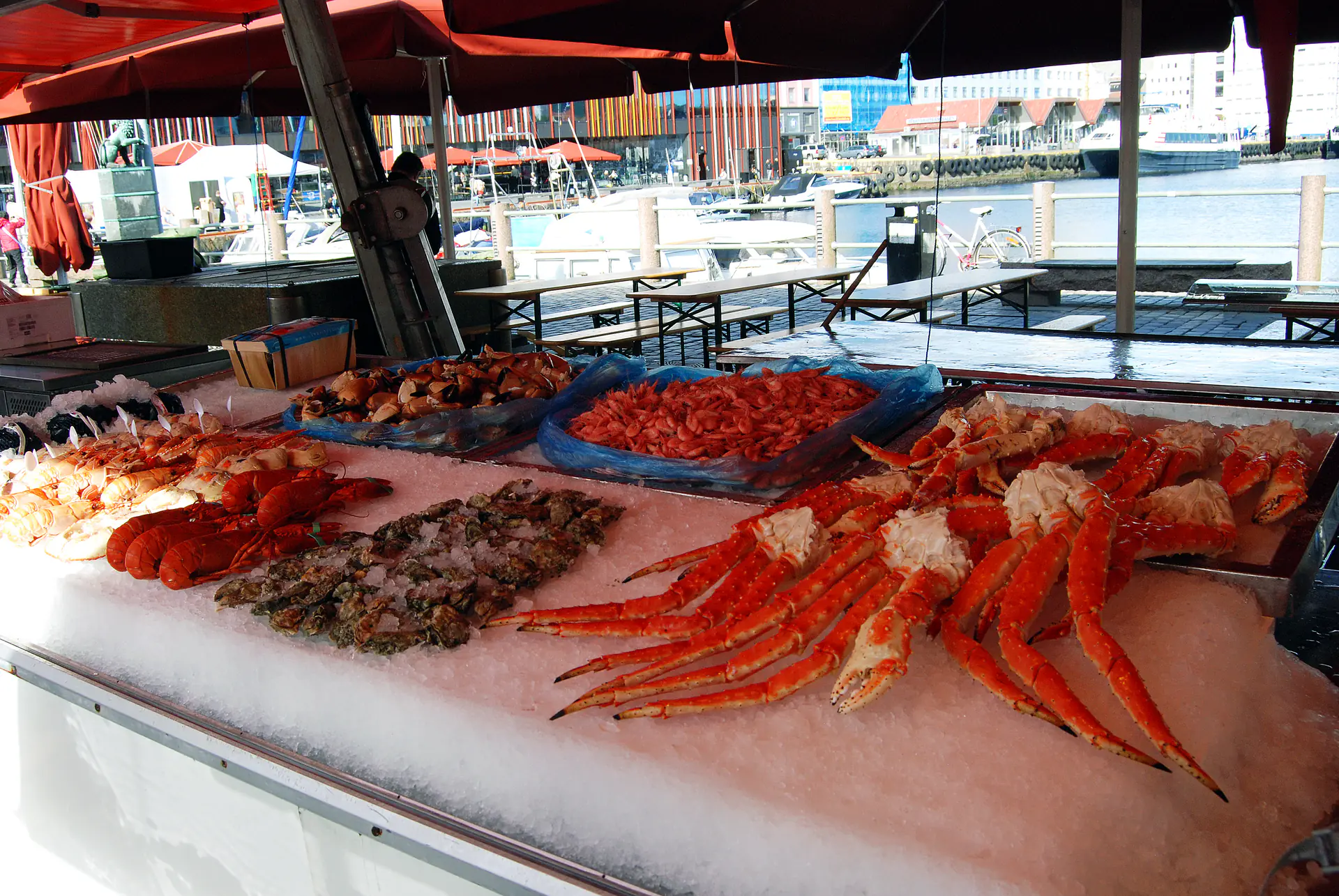
The harbor setting provides essential context for understanding Bryggen's commercial importance as Norway's gateway to European markets. From various waterfront viewpoints, visitors appreciate how the sheltered Vågen bay created ideal conditions for medieval shipping, while surrounding mountains funneled fish supplies from Norway's productive northern waters toward Bergen's warehouses. The modern Fish Market continues Bergen's maritime trading traditions, though today focusing on tourists purchasing fresh seafood rather than merchants loading stockfish for Baltic ports. Walking the harbor promenade reveals how Bryggen's position enabled German merchants to control access to Norway's most valuable export commodity. The panoramic views combine medieval heritage with active modern port operations.
Pro tip: Take the Fløibanen funicular to Mount Fløyen summit (NOK 120 / $11 USD round-trip) for spectacular elevated views showing Bryggen's complete medieval street layout from above--this perspective reveals the distinctive parallel building pattern and narrow alleyways impossible to comprehend from street level.
Historical Context
Early Medieval Settlement (1070-1350)
King Olav Kyrre founded Bergen around 1070, quickly establishing Norway's first capital and principal commercial port. Early wooden wharves developed along Vågen bay as Norwegian traders exported stockfish, furs, and timber to growing European markets, laying foundations for centuries of maritime commerce.
Hanseatic League Establishment (1360-1550)
German merchants from the Hanseatic League gained control of Bergen's fish trade around 1360, establishing permanent trading enclave at Bryggen. The powerful commercial network dominated stockfish exports to European Catholic markets requiring fish for religious dietary restrictions, creating Bergen's golden age.
Commercial Peak and Fires (1550-1702)
Bryggen reached maximum commercial importance during the 16th-17th centuries while enduring repeated devastating fires that repeatedly reshaped the waterfront. The Great Fire of 1702 destroyed much of the medieval settlement requiring extensive reconstruction using traditional Norwegian timber techniques maintaining the distinctive architectural character.
Norwegian Reassertion (1754-1899)
The Hanseatic kontor officially closed in 1754 as Norwegian merchants gradually reclaimed control of fish trade from German commercial dominance. Bryggen transitioned from exclusive German enclave to integrated Norwegian commercial district while preserving characteristic wooden architecture and medieval street patterns throughout this transitional period.
Modern Fires and Reconstruction (1900-1979)
The devastating 1955 fire destroyed major portions of Bryggen's northern section, prompting urgent preservation action. Careful archaeological excavations preceded reconstruction following medieval building patterns. UNESCO World Heritage designation in 1979 recognized Bryggen's exceptional cultural significance requiring ongoing preservation efforts.
Contemporary Heritage Management (1980-Present)
Modern conservation programs balance preservation of authentic medieval character with contemporary commercial uses. Strict building regulations protect traditional timber construction methods. Bryggen maintains active community of shops, restaurants, and cultural institutions while preserving irreplaceable architectural heritage demonstrating Hanseatic League influence.
Conservation
Current Status
Active historic district under strict Norwegian heritage protection with ongoing conservation programs balancing preservation requirements with contemporary commercial activities ensuring long-term sustainability.
Challenges
- Fire risk from wooden construction requiring sophisticated detection systems, emergency protocols, and constant vigilance against accidental ignition
- Bergen's exceptional rainfall causing continuous timber deterioration and rot requiring constant maintenance interventions and protective treatments
- Tourism pressure affecting fragile wooden structures through heavy visitor traffic creating wear on historic cobblestones and commercial activities
- Rising sea levels threatening low-lying waterfront foundations with increased flooding risk requiring adaptation strategies
- Maintaining traditional craftsmanship skills for authentic timber restoration work through apprenticeship programs and knowledge transfer
Conservation Efforts
- Advanced fire detection and suppression systems protecting irreplaceable wooden buildings through state-of-the-art monitoring technology
- Traditional timber maintenance using authentic Norwegian construction techniques and materials preserving historical accuracy
- Controlled visitor access through designated walkways protecting fragile historic structures while maintaining public engagement
- Ongoing archaeological monitoring during any restoration work documenting medieval foundations and uncovering new historical insights
Frequently Asked Questions
Absolutely - this unique medieval trading quarter showcases exceptional Hanseatic League heritage with authentic wooden architecture spanning four centuries of Norwegian commercial history. Walking the narrow alleyways transports you directly into medieval Bergen. Excellent museums provide fascinating insights into merchant life. Best visited May-September; early morning offers atmospheric experiences.
Walking through Bryggen alleyways is completely free. Hanseatic Museum costs NOK 120 ($11 USD) adults, children under 16 free. Bryggens Museum NOK 130 ($12 USD). Combined museum pass NOK 200 ($19 USD) covers both museums. Many shops and galleries offer free entry for browsing.
May-September offers optimal weather with long daylight hours and pleasant temperatures 12-18°C, though Bergen experiences frequent rain year-round. Early morning (8-9 AM) provides atmospheric experiences with fewer crowds in the narrow alleyways. Late afternoon offers beautiful lighting for photographing the colorful facades.
Most visitors spend 2-3 hours exploring the alleyways, visiting both museums, and browsing shops and galleries. Full morning or afternoon visits allow leisurely exploration with coffee breaks at waterfront cafés. Combining Bryggen with nearby Fish Market and Fløibanen funicular extends visits to half-day or full-day Bergen experiences.
No tickets required for walking through Bryggen's alleyways and streets--public access is completely free. Individual museums require separate admission tickets purchased at entry. No advance booking necessary except for guided walking tours during peak summer season. Bergen Card provides free museum entry if visiting multiple attractions.
Waterproof jacket essential as Bergen averages 235 rainy days annually. Comfortable walking shoes with good traction for cobblestone streets that become slippery when wet. Layered clothing for changeable weather even during summer. Warm insulated clothing for winter visits with temperatures near freezing. Casual attire appropriate for all attractions.
Photography permitted throughout Bryggen for personal use. The colorful wooden facades create iconic images particularly from the opposite harbor side. Early morning and late afternoon provide optimal lighting. Some museum interiors restrict flash photography to protect historic artifacts. Professional photography may require special permission from property owners.
Bryggen is Bergen's medieval Hanseatic trading wharf featuring authentic wooden buildings dating from the 14th-18th centuries. Famous for colorful timber facades, narrow alleyways, and exceptional testimony to the Hanseatic League commercial network that dominated Northern European trade for four centuries. UNESCO recognized the site in 1979 for outstanding cultural heritage.
Bryggen means "the wharf" or "the dock" in Norwegian, accurately describing the site's function as Bergen's principal medieval trading waterfront where merchants loaded ships with stockfish exports bound for European markets throughout the Hanseatic period.
Yes, many historic buildings now house restaurants serving traditional Norwegian cuisine, artisan shops selling local crafts and design items, art galleries featuring contemporary Norwegian artists, and specialty stores offering unique souvenirs. This commercial activity helps fund ongoing preservation while maintaining Bryggen as a living historic district rather than museum.
UNESCO World Heritage Criteria
Inscribed in 1979, this site meets 1 of UNESCO's 10 criteria for Outstanding Universal Value
III
Criterion (iii): Testimony to cultural tradition
Bryggen provides exceptional testimony to the Hanseatic League's commercial network that dominated Northern European trade from the 14th to mid-18th century. The authentic medieval wooden architecture and preserved street layout demonstrate traditional Norwegian timber construction techniques.
Image & Content Attribution
Research & Content Sources
Photography & Visual Media
999Vic999, CC BY-SA 4.0
Panoramio, CC BY 3.0
Yair-haklai, CC BY-SA 4.0
Bahnfrend, CC BY-SA 4.0
Harvey Barrison, CC BY-SA 2.0
Last updated: 24 December 2025