
Cuba • UNESCO World Heritage Site
Old Havana: Colonial Architecture & Spanish Fortifications
The Caribbean's Greatest Colonial City
Inscribed: 1982
Category: Cultural
ID: #204
What Is Old Havana and its Fortification System and Why Visit?
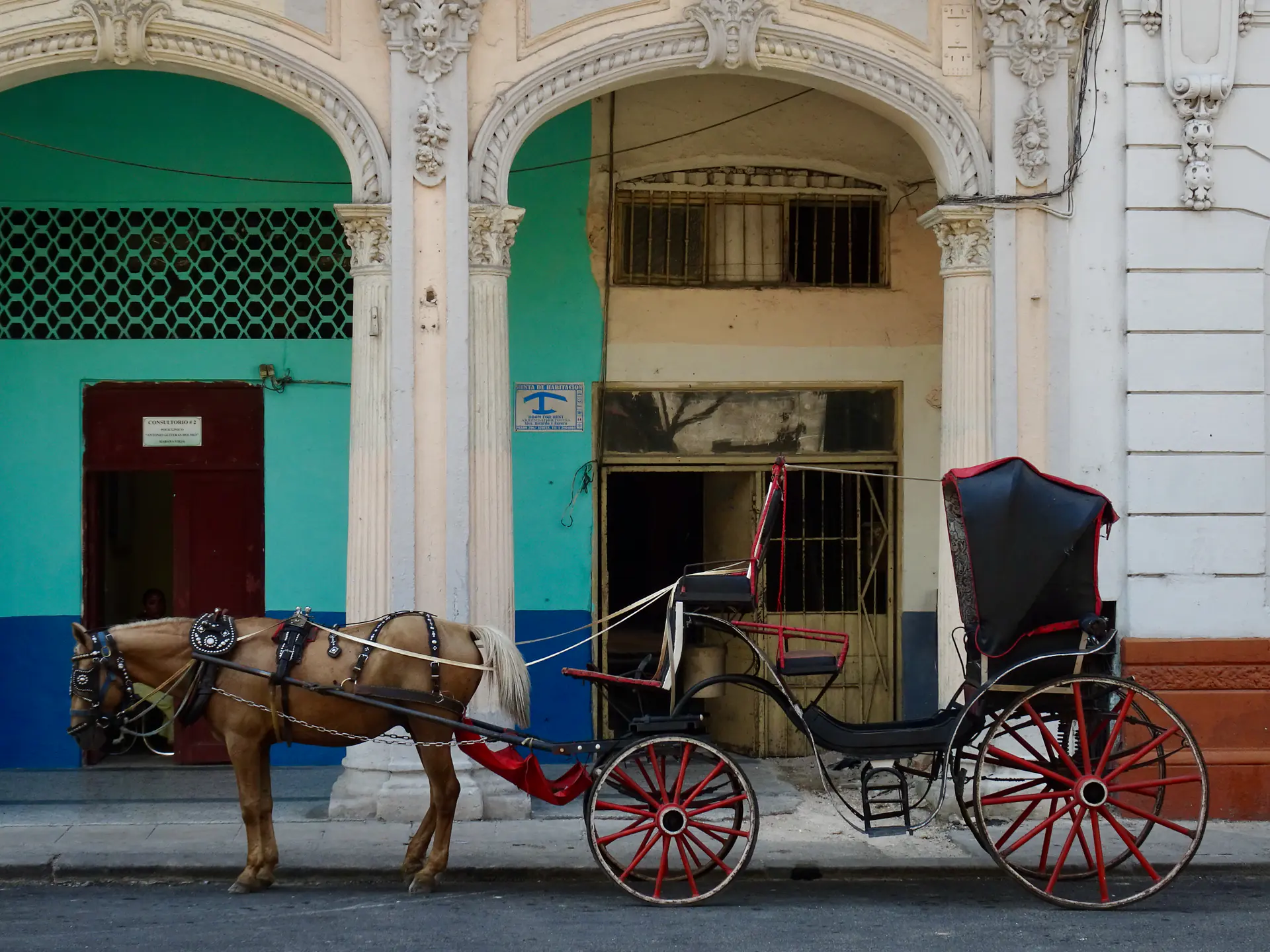
Spanish colonizers founded Havana in 1519, and by mid-century, the city had become the Caribbean's most important port thanks to the Spanish fleet system concentrating treasure ships before transatlantic crossing. Strategic importance demanded massive fortifications, creating an extensive defensive network between the 16th and 19th centuries including some of the oldest and largest stone fortifications in the Americas. Within these walls grew a remarkable urban ensemble of baroque and neoclassical architecture, with five major plazas surrounded by mansions featuring arcades, wrought-iron balconies, internal courtyards, and stained-glass mediopuntos. Despite decades of economic challenges and deteriorating infrastructure, restoration efforts under City Historian Eusebio Leal Spengler transformed the historic center into a prime cultural destination, preserving one of the most impressive colonial urban landscapes in the Americas.
Why It Matters
This colonial ensemble represents an outstanding example of a fortified historic port city that for centuries served as the gateway between the Old and New Worlds. The combination of extensive military architecture with exceptional baroque and neoclassical civic, religious, and domestic buildings creates one of the most remarkable colonial urban landscapes in the Americas.
How to Visit Old Havana and its Fortification System
Essential information for visiting this destination
How to Get to Old Havana and its Fortification System
Jose Marti International Airport lies 18 kilometers south of Old Havana with taxis to the historic center costing $25-35 USD (fixed rates). No direct public transit connects the airport to Old Havana. Viazul buses link Havana with other Cuban cities including Trinidad, Santiago de Cuba, and Vinales.
Within Old Havana, walking remains the best exploration method as most attractions cluster within one square mile. Classic car tours in 1950s American vehicles cost $30-50 USD per hour, providing photogenic transport and driver guidance. Bicitaxis (bicycle rickshaws) offer short trips around the historic center. Coco-taxis (motorized tricycles) provide quick transport for 2-3 passengers.
Peso taxis (shared classic cars called "maquinas") follow fixed routes at very low cost, offering authentic local experience. Regular yellow taxis available for destinations beyond walking distance.
Best Hotels Near Old Havana and its Fortification System
Casas particulares (private homestays) offer the most authentic and economical accommodation in Old Havana, with rooms in colonial homes ranging $25-60 USD including breakfast. Hosts provide local insights, meal arrangements, and genuine Cuban hospitality impossible in hotels.
Restored colonial hotels including Hotel Saratoga, Gran Hotel Manzana, and Hotel Florida provide upscale options in historic buildings with modern amenities at $150-400 USD nightly. Mid-range hotels in restored mansions offer comfortable alternatives.
Location matters significantly--staying within Old Havana eliminates transport needs and enables evening exploration of plazas and music venues. Properties near the Malecon seawall combine historic access with ocean views. Book accommodations in advance as inventory remains limited compared to demand.
Where to Eat Near Old Havana and its Fortification System
Cuban cuisine reflects Spanish, African, and Caribbean influences built around rice, black beans, pork, and tropical flavors. Classic dishes include ropa vieja (shredded beef), lechon asado (roast pork), moros y cristianos (rice and black beans), and tostones. Private restaurants (paladares) offer the best dining, from simple home cooking to sophisticated New Cuban cuisine in restored colonial settings.
Old Havana's paladares have transformed dramatically, with acclaimed restaurants like La Guarida, Dona Eutimia, and Ivan Chef Justo attracting international attention. State restaurants have improved but generally lag private establishments. Street food includes pizza slices and sandwiches at peso prices.
Cuban cocktails including the mojito, daiquiri, and Cuba libre originated here--seek authentic bars for the best experience. Havana Club rum underpins local drinks. Cuban coffee (cafecito) provides essential fuel, served intensely sweet at ventanitas (coffee windows) throughout the city.
Old Havana and its Fortification System Entry Fees & Tour Prices
Walking the historic plazas and colonial streets costs nothing beyond comfortable shoes. Museum entrance fees typically range CUP 100-200 ($1-2 USD) for Cubans and CUC equivalent for foreigners, though some charge more.
Classic car tours cost $30-50 USD per hour for convertible 1950s vehicles with driver-guides, customizable for historic center exploration or extended trips to suburban attractions including Hemingway sites. Book through casa particular hosts or directly with drivers at central plazas.
Morro Castle and La Cabana fortress complex entrance costs approximately $10 USD, with the evening cañonazo ceremony at La Cabana costing $8-10 USD. Guided walking tours through the Office of the City Historian (OHCH) depart Monday-Saturday at 10:00am and 2:00pm from the Oficina del Historiador, available in multiple languages.
Salsa lessons, Afro-Cuban music performances, and cigar factory tours represent popular cultural activities. Day trips to tobacco country (Vinales) and beaches (Playas del Este) expand beyond Old Havana.
What to Bring to Old Havana and its Fortification System
Currency complexity requires careful planning. The Cuban Peso (CUP) is the sole legal tender since January 2021, with official exchange rates around 120-130 CUP per $1 USD. Informal market rates exceed 200 CUP per dollar. USD cash is widely accepted in tourist areas, hotels, and private businesses.
CRITICAL: US credit and debit cards do not function anywhere in Cuba. Bring sufficient cash (USD, Euros, or Canadian Dollars) for your entire stay plus emergency reserve. ATMs exist but are unreliable and often empty.
Travel insurance covering medical emergencies is mandatory for Cuba entry. International eSIM cards may work but connectivity remains limited. Cuban Type A/B outlets operate on 110V (matching US plugs) and 220V.
Hurricane season runs June-November with peak danger August-October. Dry season (November-April) offers the most pleasant conditions with less humidity and rare rain. Pack light layers for air-conditioned spaces and modest clothing for church visits.
Loading map...
Visitor Information
Everything you need to know for your visit
What to Bring
Comfortable walking shoes for extensive cobblestone exploration. Bring sun protection including hat and sunscreen as shade is limited in plazas. Carry cash in Cuban Pesos (CUP) and USD as credit/debit cards do not work in Cuba for American visitors. Pack insect repellent for evening outings. Camera essential for photogenic colonial architecture and classic cars. Light layers for air-conditioned museums.
Accessibility
Old Havana presents significant accessibility challenges with uneven cobblestones, high curbs, narrow sidewalks, and most colonial buildings lacking accessibility features. Some restored plazas offer improved surfaces. Wheelchair users face considerable obstacles throughout the historic center. Few accessible restrooms available. Contact tour operators specializing in Cuba for specific accessibility guidance.
Safety Tips
Old Havana is generally safe for tourists though petty theft and scams targeting visitors occur. Watch belongings in crowded areas and avoid displaying valuables. Hustlers (jineteros) approach tourists offering services--politely decline if uninterested. Crumbling buildings pose hazards; avoid entering unstable structures. Tap water should be avoided; drink bottled water. Hurricane season (June-November) brings occasional severe storms.
Five Historic Plazas and Mighty Fortifications
Must-See
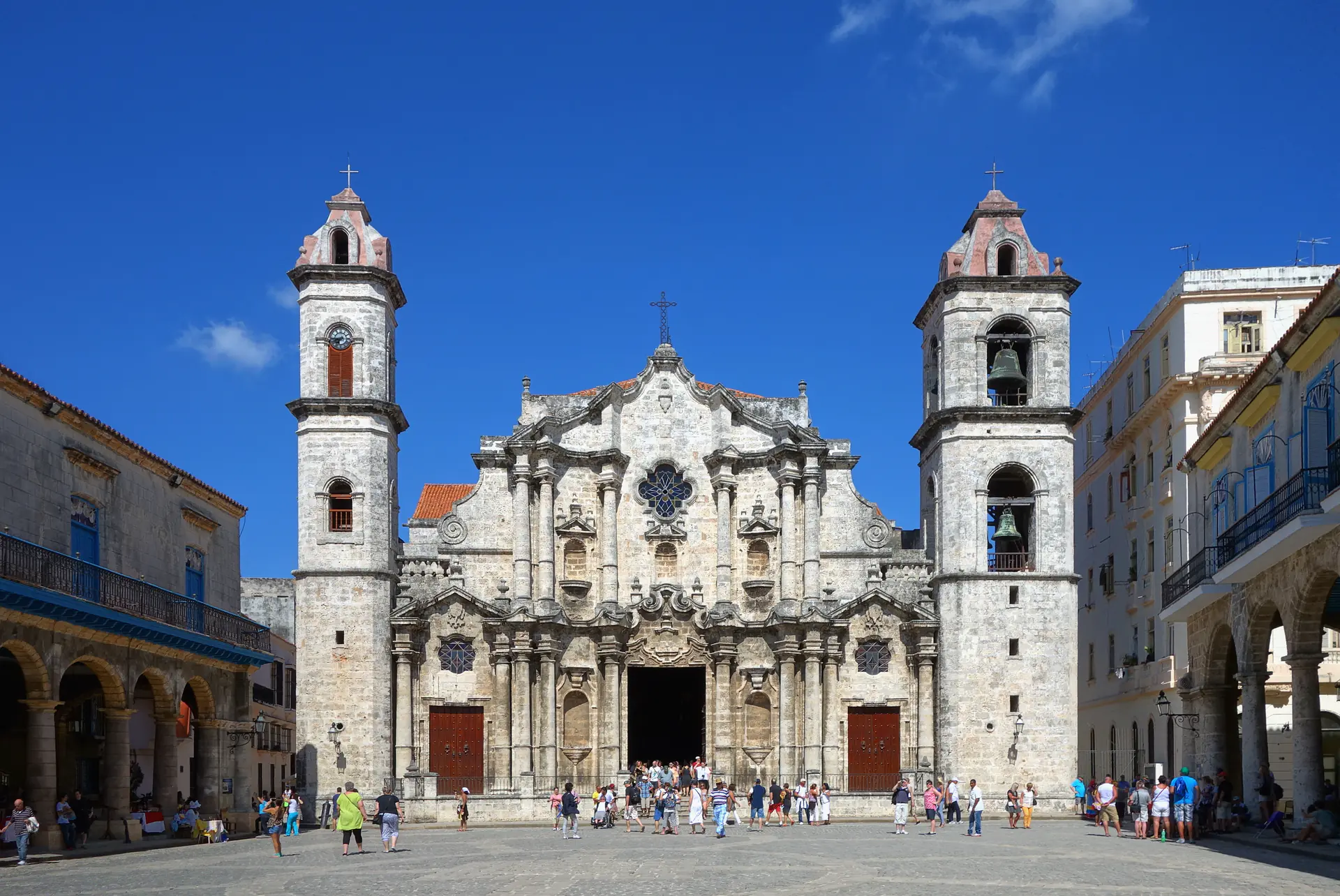
Cathedral Square: Baroque Masterpiece
Enter the most intimate and architecturally harmonious of Old Havana's five historic plazas, where the baroque Havana Cathedral rises with distinctive asymmetrical towers above surrounding 18th-century mansions. The Catedral de San Cristobal, completed in 1777 after Jesuit expulsion interrupted construction, once held Columbus's remains before their transfer to Seville. The square's irregular shape and unified colonial facades create an enclosed atmosphere unlike larger plazas, with carved stone balconies and elaborate doorways demonstrating the wealth of Spanish colonial aristocracy. Elegant restaurants and galleries now occupy restored mansions surrounding the plaza, making this the most refined gathering place in Old Havana.
Pro tip: Visit Cathedral Square in early morning (before 9:00am) when golden light illuminates the baroque facade and before tour groups fill the plaza--locals walking to work provide authentic atmosphere impossible to experience later in the day.
Must-See
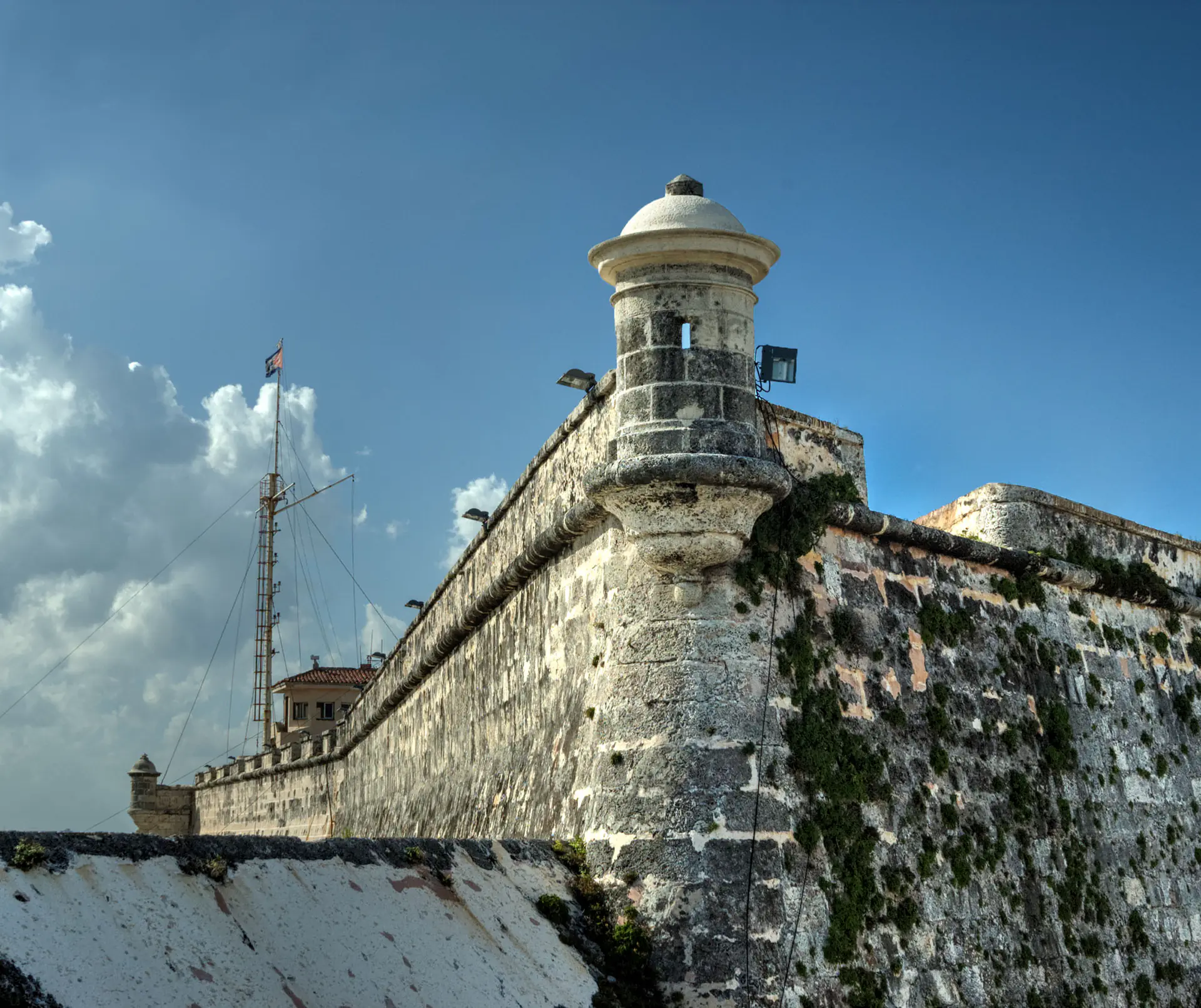
Morro Castle and Harbor Fortifications
Cross the harbor to explore the mighty fortress that has guarded Havana for over 400 years, a masterpiece of Spanish colonial military engineering. Italian engineer Battista Antonelli designed Castillo de los Tres Reyes del Morro, completed in 1640, positioned on the rocky promontory controlling the harbor entrance. An iron chain linking Morro to La Punta fortress could be raised to prevent enemy ships from entering. British forces captured Morro in 1762 after a 44-day siege, leading Spain to construct the massive La Cabana fortress behind it. Today the lighthouse and cannons remain, with nightly "cañonazo" ceremony at 9:00pm recreating the colonial tradition of firing cannon to signal city gate closings.
Pro tip: Attend the 9:00pm cañonazo ceremony at La Cabana fortress when soldiers in period costume fire the cannon across the harbor--combine with dinner at a Morro restaurant for spectacular sunset views over Old Havana.
Recommended
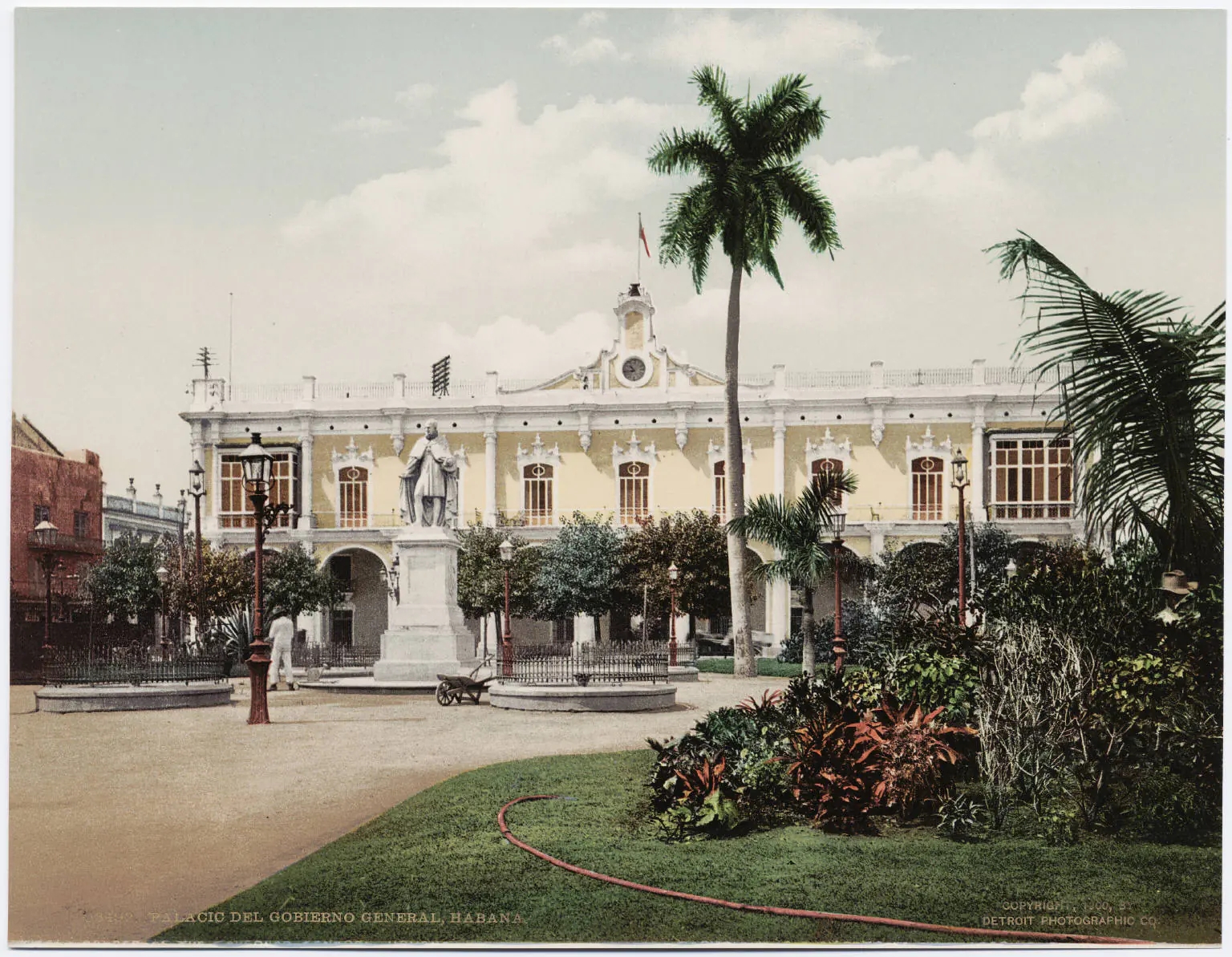
Plaza de Armas and Colonial Government
Explore the oldest square in Havana where Spanish colonial power was centered for four centuries. The Plaza de Armas anchors Old Havana's historic core, surrounded by the baroque Palacio de los Capitanes Generales that served as the governor's residence and now houses the City Museum. The small neoclassical Templete marks where the city's founding was commemorated and first mass celebrated under a silk-cotton tree. Daily book markets spread across the plaza's central garden, offering vintage Cuban volumes and revolutionary memorabilia. The surrounding streets contain Havana's oldest buildings including the Castillo de la Real Fuerza, the oldest stone fort in the Americas, topped by the bronze "La Giraldilla" weather vane that has become Havana's symbol.
Pro tip: Browse the daily book market in Plaza de Armas for first-edition Cuban literature, vintage revolutionary posters, and historic photographs--vendors often have fascinating stories about items, and reasonable bargaining is expected.
Recommended
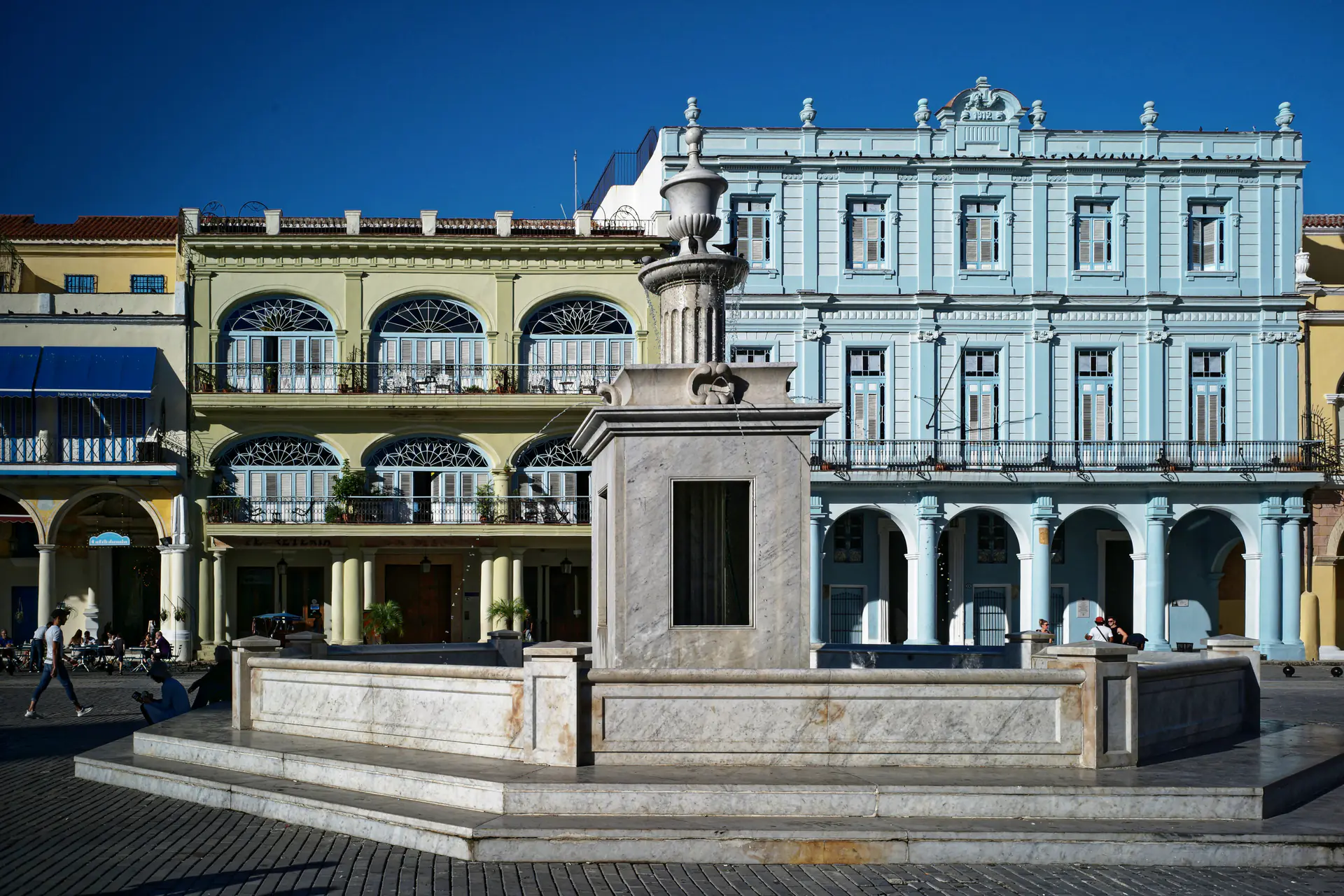
Plaza Vieja: Restored Diversity
Discover Old Havana's most diverse architectural ensemble in a plaza spanning four centuries of building styles from baroque through Art Nouveau. Plaza Vieja emerged as a commercial and residential center distinct from governmental and religious focus of other squares. Restoration by the Office of the City Historian transformed the plaza from near-ruin to showcase, with brightly painted colonial facades, elaborate stained-glass mediopuntos, and arcaded galleries housing museums, restaurants, and the atmospheric microbrewery Factoria Plaza Vieja. The Camera Obscura in the corner building provides rooftop views through a 19th-century optical device. Outdoor cafes create vibrant plaza atmosphere, attracting locals and visitors for evening socializing.
Pro tip: Climb to the Camera Obscura on the plaza's northeast corner (CUP 200, $2 USD) for a unique 360-degree live image of surrounding rooftops projected through mirrors--guides explain the 19th-century technology while revealing hidden details of colonial architecture.
Historical Context
Spanish Colonial Foundation (1519-1600)
Spanish conquistadors founded San Cristobal de la Habana in 1519, relocating to its current harbor location by 1519. The city's superb natural harbor quickly made it a strategic assembly point for Spanish treasure fleets returning to Europe. Early fortifications including Castillo de la Real Fuerza (1558-1577) arose to protect against pirate attacks that had devastated the initial settlement.
Fleet System and Fortification (1600-1762)
Havana became the largest port in the Caribbean as the Spanish fleet system concentrated treasure ships here before transatlantic crossings. Morro Castle (1589-1640) and La Punta fortress created a defensive harbor network. The city grew wealthy from trade, with colonial mansions, churches, and plazas emerging within protective walls. British capture of Havana in 1762 exposed defensive weaknesses.
Golden Age and Walls Expansion (1762-1863)
After Britain returned Havana to Spain in exchange for Florida (1763), Spain constructed the massive La Cabana fortress creating the largest fortification in the Americas. Sugar boom wealth transformed the city with neoclassical architecture, aristocratic palaces, and cultural institutions. The city walls eventually proved obsolete and were demolished in 1863 to allow urban expansion.
Republican Era (1898-1959)
Cuban independence from Spain (1898) and American influence shaped early 20th-century development. Art Deco and modernist architecture appeared alongside colonial heritage. Havana became a playground for American visitors during Prohibition, with casinos, nightclubs, and organized crime presence. Economic growth centered on sugar, tobacco, and tourism.
Revolutionary Period (1959-1990)
The Cuban Revolution brought dramatic social transformation while suspending commercial development that might have destroyed colonial fabric. Nationalization and emigration altered property ownership. Limited resources prevented both major demolition and restoration, essentially freezing the historic center in time while infrastructure deteriorated.
UNESCO Recognition and Restoration (1982-present)
UNESCO inscription in 1982 recognized Old Havana's outstanding value. City Historian Eusebio Leal Spengler's visionary restoration program (1990s-2020) transformed deteriorating streets into cultural destinations through a unique self-financing model. Hurricanes, economic challenges, and Leal's death (2020) present ongoing preservation challenges, but restored plazas demonstrate successful heritage rehabilitation.
Conservation
Current Status
Old Havana faces conservation challenges from economic constraints, deteriorating infrastructure, hurricane damage, and rising sea levels. The innovative restoration model developed by Eusebio Leal Spengler demonstrated successful rehabilitation, though his 2020 death and institutional changes create uncertainty about future conservation.
Challenges
- Deteriorating buildings and infrastructure from decades of limited investment, with an estimated 50-100 building collapses annually threatening lives and historic fabric throughout the densely populated historic center
- Hurricane vulnerability with major storms including Hurricane Irma (2017) causing severe damage to coastal fortifications and historic buildings along the Malecon seawall
- Rising sea levels and climate change threatening low-lying coastal sections of Old Havana and the harbor fortifications through flooding, erosion, and salt intrusion
- Economic constraints limiting restoration resources despite tourism revenue, particularly following COVID-19 pandemic impacts on Cuba's economy and foreign visitor numbers
- Institutional changes following Eusebio Leal's death in 2020, with military takeover of the Office of the City Historian's revenue-generating businesses raising questions about future restoration capacity
Conservation Efforts
- Innovative self-financing restoration model developed by the Office of the City Historian (OHCH) channeling hotel, restaurant, and shop revenues directly into conservation, generating over $100 million annually at peak
- UNESCO World Heritage monitoring and technical cooperation providing international expertise, attention, and standards for conservation planning and implementation
- AdaptHavana climate adaptation project addressing coastal zone risks through medium and long-term development planning for sea level rise and storm impacts
- International cooperation with Spanish, Belgian, and other restoration specialists providing training, equipment, and funding for priority conservation projects
- Community engagement keeping Old Havana a living neighborhood rather than museum, with social programs supporting residents remaining in renovated housing
Frequently Asked Questions
Absolutely. Old Havana represents one of the finest preserved colonial cities in the Americas, with magnificent baroque architecture, five historic plazas, and the atmosphere of a city frozen in time. The combination of Spanish colonial heritage, 1950s American cars, and vibrant Cuban culture creates an unforgettable destination unlike anywhere else in the Caribbean.
Bring USD cash, Euros, or Canadian Dollars. The Cuban Peso (CUP) is official currency with exchange around 120-130 CUP per USD officially (200+ informally). CRITICAL: US credit/debit cards do not work anywhere in Cuba. Bring sufficient cash for entire stay plus emergency reserve. ATMs exist but are unreliable.
Yes, under "Support for the Cuban People" category allowing independent cultural travel. Visitors must engage with Cuban people and private businesses rather than government entities, staying at casas particulares and eating at paladares rather than government hotels and restaurants. Keep receipts documenting qualifying activities.
November-April offers dry season with pleasant temperatures (21-28°C) and low humidity. Avoid June-October hurricane season, particularly August-October peak danger period. December-February brings the most comfortable weather but also highest tourism. Morning visits beat afternoon heat.
Walking is best as most attractions cluster within one square mile of cobblestone streets. Classic 1950s car tours cost $30-50 USD hourly. Bicitaxis (bicycle rickshaws) and coco-taxis cover short distances. Peso taxis ("maquinas") offer cheap shared rides on fixed routes for authentic local experience.
Old Havana has five historic plazas: Plaza de la Catedral (most beautiful baroque ensemble), Plaza de Armas (oldest, with daily book market), Plaza Vieja (most architecturally diverse with best cafe scene), Plaza de San Francisco (colonial commercial center), and Plaza del Cristo (quieter residential atmosphere).
Essential sites include Cathedral Square and Havana Cathedral, Morro Castle and the 9pm cañonazo ceremony, the five historic plazas, classic car experiences, and the atmosphere of colonial streets. Allow time for paladar meals, live music, and simply wandering to discover architectural details and authentic local life.
Yes, approximately 60,000 pre-1960 American cars still operate in Cuba, maintained through Cuban mechanical ingenuity often with Soviet or Chinese engines replacing originals. The 1959 embargo froze car imports, creating this unique automotive time capsule. Many now operate as taxis catering to tourists.
Casas particulares are licensed private homestays where Cuban families rent rooms to travelers. They offer the most authentic and economical accommodation ($25-60 USD including breakfast), with hosts providing local insights, meals, and genuine Cuban hospitality impossible in government hotels.
Plan minimum 2-3 full days for comprehensive historic center exploration including all five plazas, fortress visits, museum stops, and evening atmosphere. Four-five days allows deeper cultural immersion plus day trips to Vinales tobacco country or nearby beaches.
UNESCO World Heritage Criteria
Inscribed in 1982, this site meets 2 of UNESCO's 10 criteria for Outstanding Universal Value
IV
Criterion (iv): Outstanding architectural/technological ensemble
Old Havana represents an outstanding example of a historic port city fortified for Spanish colonial protection. The fortification system including Morro Castle, La Punta, Real Fuerza, and La Cabana demonstrates the evolution of military architecture from the 16th through 18th centuries, while the urban ensemble of baroque and neoclassical buildings creates one of the finest colonial cityscapes in the Americas.
V
Criterion (v): Outstanding traditional human settlement
The historic center exemplifies traditional human settlement patterns of a Caribbean colonial port city, with five major plazas serving distinct governmental, religious, commercial, and residential functions. The architectural ensemble including private mansions with arcades, internal courtyards, wrought-iron balconies, and stained-glass mediopuntos demonstrates exceptional adaptation to tropical climate and Spanish colonial traditions.
Image & Content Attribution
Research & Content Sources
Photography & Visual Media
Bruno Rijsman, CC BY-SA 2.0
Velvet, CC BY-SA 4.0
Ángel M. Felicísimo, CC BY-SA 2.0
Burkhard Mücke, CC BY-SA 4.0
Last updated: 20 December 2025