
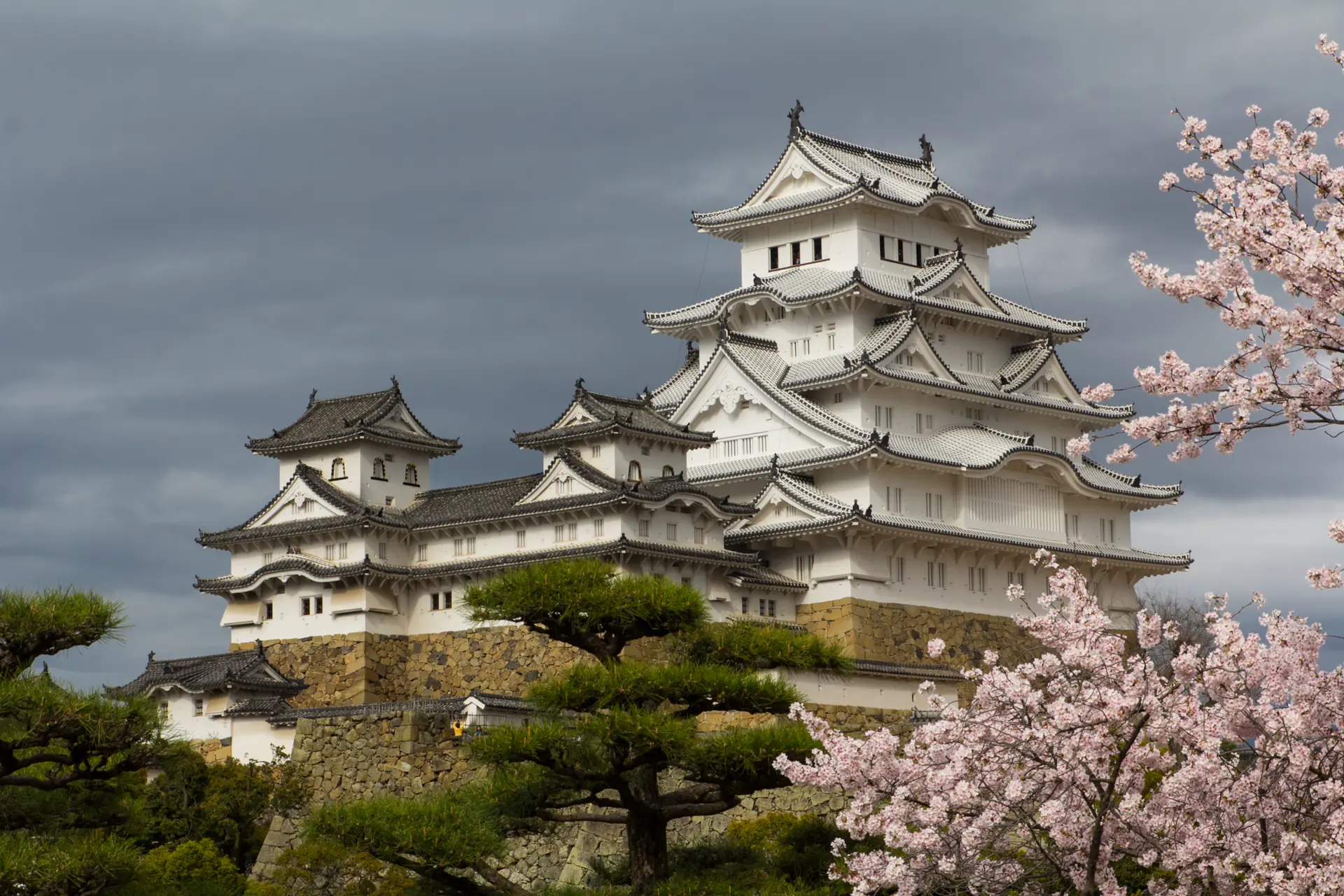
Japan • UNESCO World Heritage Site
Himeji Castle: White Heron Castle & Feudal Fortress
Japan's Most Spectacular Original Samurai Castle
Inscribed: 1993
Category: Cultural
ID: #661
What Is Himeji-jo (Himeji Castle) and Why Visit?
Himeji Castle, one of Japan's most spectacular feudal fortresses, was built by samurai warlord Ikeda Terumasa between 1601 and 1609 to demonstrate military power and political authority during the unification of Japan. Rising above the city of Himeji, this brilliant white masterpiece represents the pinnacle of Japanese castle architecture. The complex encompasses 83 buildings spread across a defensive maze designed to confuse invaders, featuring multiple gates, baileys, and the magnificent six-story main tower. Known as Shirasagi-jo (White Heron Castle) for its elegant white plaster walls that shimmer like a bird in flight, it survived World War II bombings that destroyed much of Himeji, making it Japan's best-preserved original castle.
Why It Matters
Himeji Castle represents the finest surviving example of Japanese castle architecture, showcasing sophisticated defensive design and elegant aesthetics. Its remarkable survival through wars and natural disasters preserves authentic 17th-century construction techniques. The castle embodies samurai culture and the feudal period that shaped modern Japan.
How to Visit Himeji-jo (Himeji Castle)
Essential information for visiting this destination
How to Get to Himeji-jo (Himeji Castle)
From Kansai Airport, take the JR Haruka express to Shin-Osaka (about 50 min), then the JR Shinkansen to Himeji (30 min, about ¥3,200/$22 USD unreserved). Alternatively, take the slower JR Special Rapid train from Osaka Station (about 60 min, about ¥1,500/$10 USD). From Himeji Station, the castle is a scenic 15-20 minute walk straight down Otemae-dori Avenue, or take the Shinki Bus Loop Line (¥100/$0.70 USD). The castle is an easy day trip from Kyoto (about 45-55 min by shinkansen, roughly ¥4,500-5,000/$31-34 USD; or about 90 min by JR Special Rapid, roughly ¥2,200/$15 USD) or Osaka (about 60 min by JR Special Rapid, about ¥1,500/$10 USD). Japan Rail Pass holders can use JR trains including Hikari and Kodama shinkansen; Nozomi and Mizuho trains need an extra supplement. Store luggage in coin lockers at Himeji Station if visiting as a day trip.
Best Hotels Near Himeji-jo (Himeji Castle)
Most visitors day-trip from Kyoto or Osaka, but staying overnight in Himeji offers early morning access before crowds. Chain and business hotels cluster around the station, and a few hotels offer castle views from some rooms. Business hotels near the station are generally good value compared with Kyoto and Osaka, but rates vary widely by season. Book 3-4 months ahead for cherry blossom season (late March-early April) when prices double and rooms sell out. Kobe and Okayama, both a short shinkansen ride away, offer a wider choice of hotels if Himeji is full.
Where to Eat Near Himeji-jo (Himeji Castle)
Eat Himeji's specialty dishes between the station and castle along Otemae-dori shopping street. Try Himeji oden (simmered dishes served with ginger soy sauce), an inexpensive local specialty. Harima beef, raised in the surrounding region, features at yakiniku (grilled meat) restaurants. Anago-meshi (conger eel rice) is another regional favorite served at traditional restaurants. Visit the Miyukidori shopping arcade for snacks and local sweets. Several cafés near the castle offer views—perfect for post-climb refreshment with coffee and sweets.
Himeji-jo (Himeji Castle) Entry Fees & Tour Prices
Castle admission costs ¥2,500 ($17 USD) for visitors 18 and over (¥1,000 for Himeji residents); under-18s enter free. Combination ticket with Koko-en Garden costs ¥2,600 ($18 USD)--just ¥100 more than castle alone, making the garden an excellent value addition. E-tickets can be bought online in advance to skip the ticket counter line. Budget 2-3 hours for thorough castle exploration including the main tower climb (30-45 min), walking the baileys (45-60 min), and West Bailey (30 min). Koko-en Garden next door features nine separate traditional Japanese gardens representing Edo-period styles with tea gardens, bamboo groves, and koi ponds (60-90 min). Evening illuminations occur during cherry blossom season and select periods--check the official website. Free volunteer guides in English and other languages are often available at the castle (availability varies) for historical context.
What to Bring to Himeji-jo (Himeji Castle)
Opening hours: 9am-5pm daily (last entry 4pm), extended by one hour in summer (check the official website for exact dates). Closed December 29-30. Arrive right when gates open (9am) to avoid crowds, especially during cherry blossom season and autumn when wait times can reach 1-3 hours on peak days. Check wait time updates on the official website before visiting--entry to the main keep is restricted when it gets crowded, so lines build on busy days. Audio guides are available for rent in multiple languages. Coin lockers at entrance hold bags (¥100-300/$0.70-2 USD). Free Wi-Fi at visitor center. Photography allowed in most areas, but tripods, monopods and selfie sticks are not allowed inside buildings. No food or drink allowed inside buildings.
Loading map...
Visitor Information
Everything you need to know for your visit
What to Bring
Slip-on shoes for easy removal (you climb in socks). Clean socks without holes. Camera (tripods not allowed). Summer: water and hat--upper floors are very hot. Winter: dress in layers. Avoid large backpacks on narrow tower stairs.
Accessibility
Limited wheelchair access--grounds are partially accessible but the main tower requires climbing steep stairs (up to 60 degrees) and is not wheelchair accessible. Audio guides available in multiple languages (English, Chinese, Korean, French, Spanish). Accessible restrooms at ticket office. The tower climb is genuinely challenging and not suitable for those with mobility issues.
Safety Tips
Stairs in main tower are extremely steep (up to 60-degree angles, essentially ladders) across six floors--wear comfortable shoes and take your time. You must remove shoes and climb in socks to protect wooden floors. Floors can be slippery. Not recommended for those with mobility issues, knee problems, or fear of heights. Young children can manage with adult help. Stay hydrated in summer as upper floors get very hot without air conditioning.
Castle Highlights
Must-See
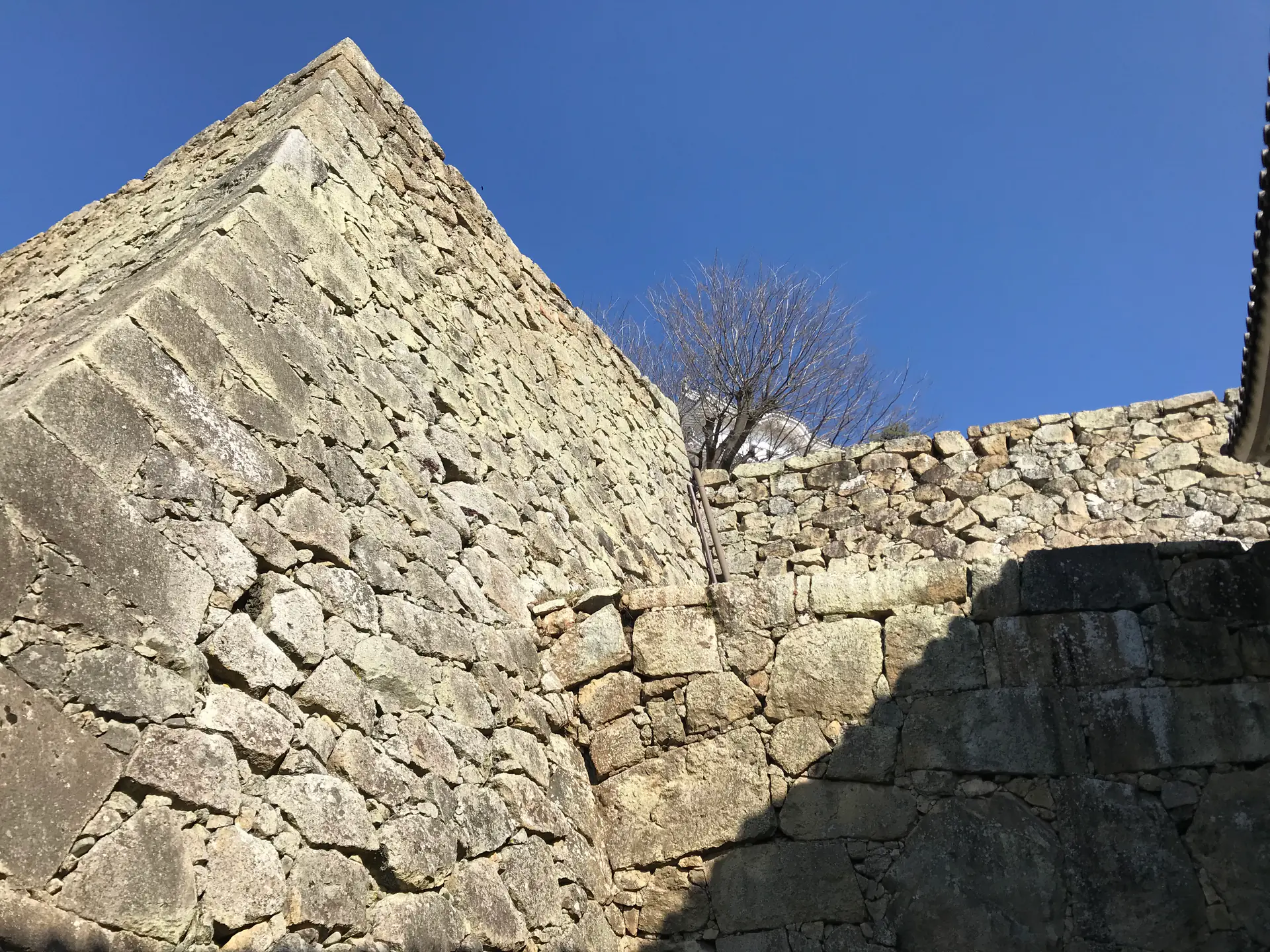
Defensive Labyrinth Design
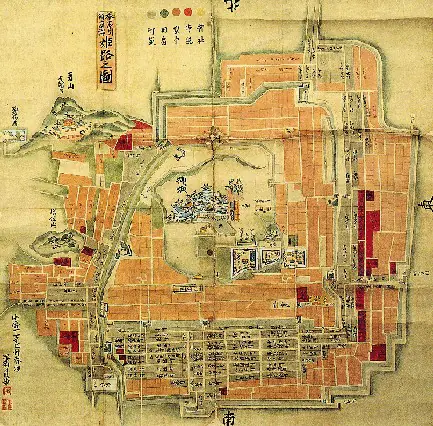
Himeji Castle's layout is a masterpiece of military engineering, designed as a complex three-dimensional maze to confuse and trap invaders. The approach to the main tower winds through multiple baileys (enclosures) connected by 21 gates, each positioned at sharp angles forcing attackers to change direction constantly. Narrow passages funnel enemies into kill zones where defenders could rain arrows, stones, and boiling water through concealed openings. The walls feature ishiotoshi (stone-dropping holes) and sama (rectangular and triangular openings) for firing weapons while remaining protected. Walk the same path invaders would have faced and notice how the main tower appears close then distant as the route doubles back. Pro tip: Join a guided tour to learn about hidden defensive features like concealed doors and secret passages that aren't obvious to casual visitors.
Must-See
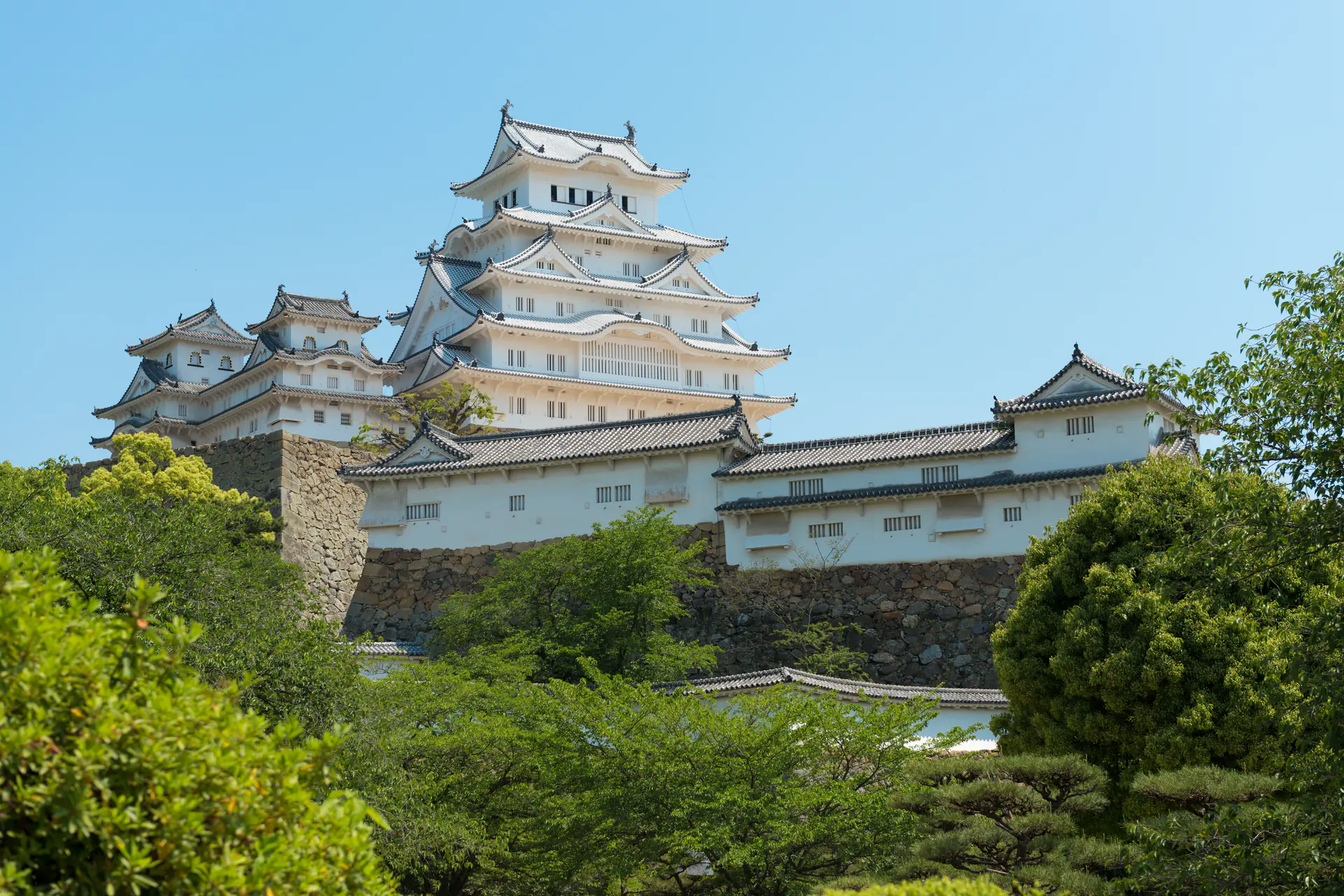
The White Heron Walls
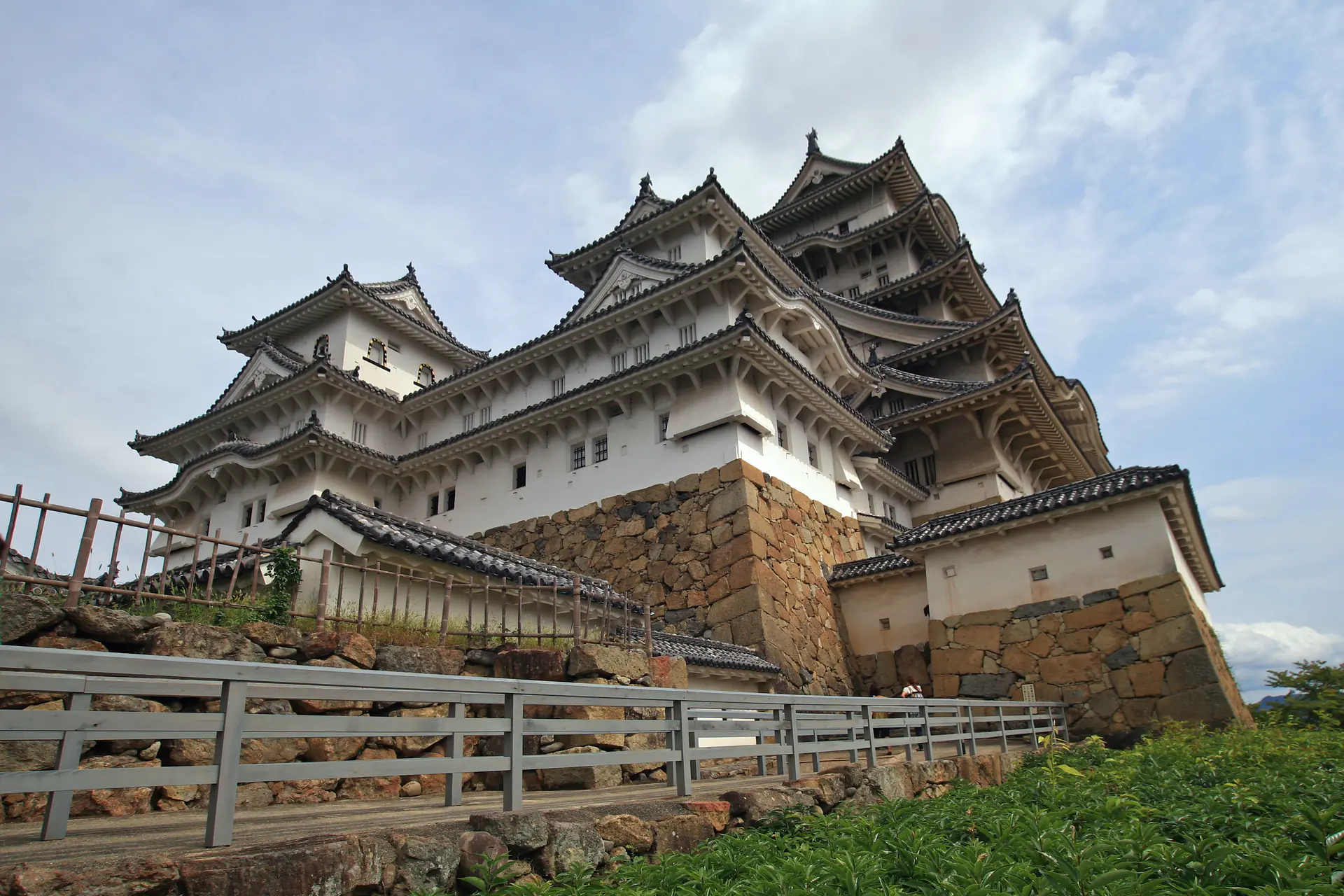
The castle's brilliant white exterior isn't just beautiful—it's a sophisticated fireproof coating called shirakabe-nuri that protected the wooden structure from flames and projectiles. Craftsmen applied multiple layers of white plaster over earthen walls, creating the smooth luminous surface that gives the castle its nickname Shirasagi-jo (White Heron Castle). The plaster contains crushed oyster shells and lime, materials that harden like stone and reflect sunlight, making the castle visible for kilometers. The graceful curved gables and layered rooflines create the impression of a great white bird ready to take flight. Recent restoration (2009-2015) returned the walls to their original brilliant white, though they'll gradually darken to a softer cream as they weather naturally. Pro tip: Visit early morning or late afternoon when the white walls glow golden in slanting sunlight, and bring a telephoto lens to capture details of the plasterwork and decorative roof tiles.
Must-See
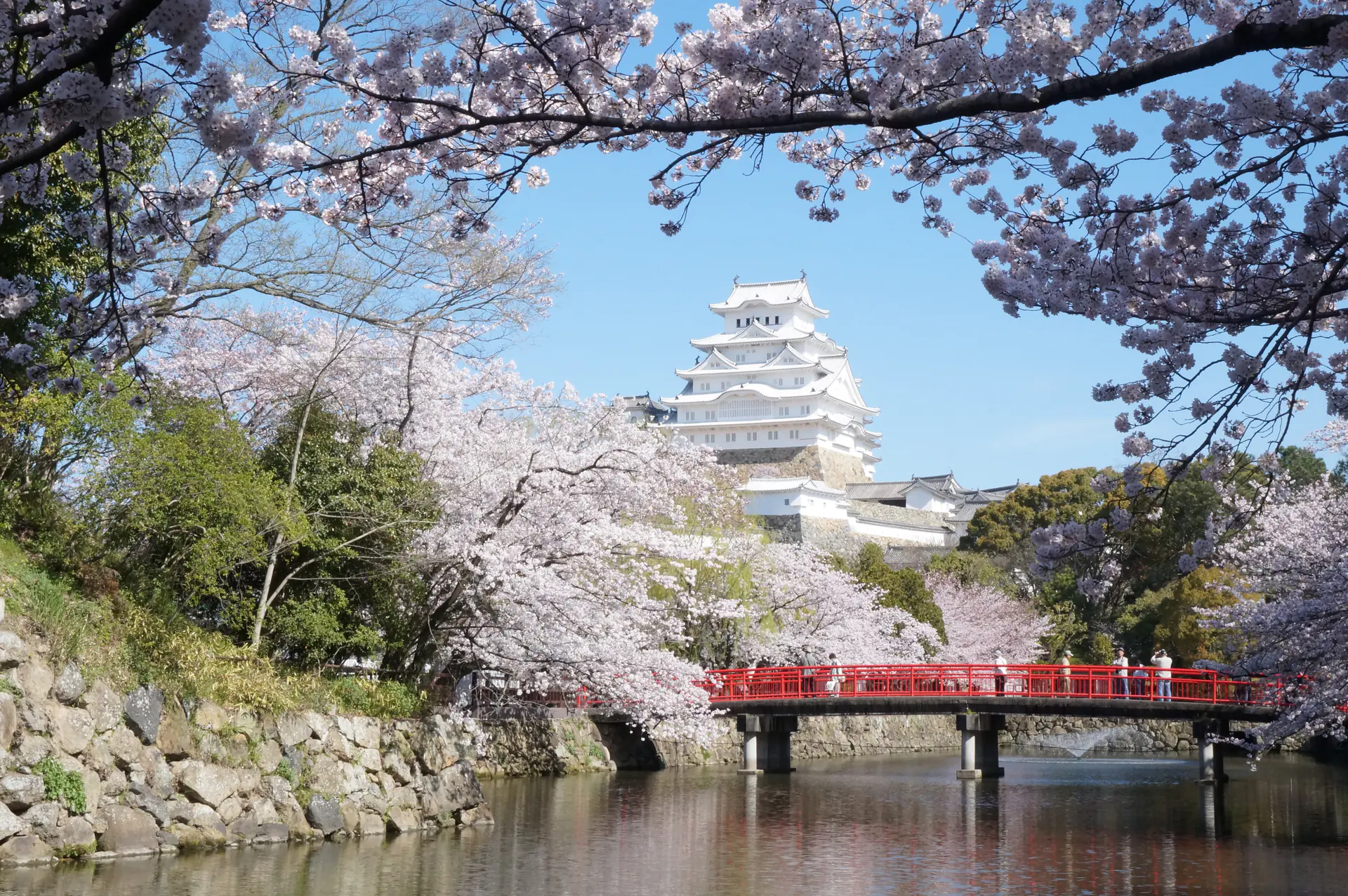
Cherry Blossom Season Splendor
Late March to early April transforms Himeji into one of Japan's most spectacular hanami (cherry blossom viewing) destinations, when over 1,000 somei yoshino cherry trees burst into clouds of pale pink blossoms surrounding the snow-white castle. The contrast between pink petals and white walls creates scenes that appear on countless postcards, paintings, and photographs representing the essence of Japanese beauty. The castle grounds become a festive celebration as locals spread picnic blankets beneath the trees for traditional hanami parties. Evening illuminations make the blossoms and castle glow against the night sky. The trees bloom for only 7-10 days at peak, making timing crucial but unforgettable when aligned. Pro tip: Book accommodation months in advance for late March/early April visits, arrive before 9:00 AM opening to beat crowds, and explore Koko-en Garden next door for equally stunning cherry blossom views with smaller crowds.
Recommended
Climbing the Main Tower
Ascending the six stories is a journey through 400 years of samurai architecture, climbing the same steep wooden stairs (some at 60-degree angles) castle defenders used. The bare interior served as military command posts, not living spaces. Each floor features weapon racks, stone-dropping holes, and narrow windows positioned for defense. Massive wooden pillars include columns from 800-year-old cypress trees. The top floor offers panoramic views across Himeji. Pro tip: Wear slip-on shoes as you climb in socks to protect the wooden floors, and skip this if you have mobility issues--stairs are extremely steep with no elevator.
Recommended
Survival Against All Odds
Himeji Castle's survival is remarkable--it endured centuries of earthquakes, fires, and the World War II bombing that destroyed most of Himeji city in 1945. During the Meiji period, hundreds of castles were demolished, but a colonel saved Himeji. The 1995 Great Hanshin earthquake damaged regional structures, yet Himeji's wooden joinery absorbed the tremors. In 1945, incendiary bombs hit the tower but failed to ignite. This makes it Japan's finest surviving original castle--an authentic 17th-century structure. Pro tip: Visit the castle museum to see photographs of the 1945 destruction and the city's reconstruction.
Historical Context
1333-1580: Fortress Foundations
Samurai warlord Akamatsu Norimura built the first fort on Himeyama Hill in 1333, establishing the strategic value of this location overlooking the Harima Plains. The fort changed hands multiple times during Japan's warring states period. In 1580, Toyotomi Hideyoshi, the future ruler who unified Japan, constructed a three-story tower, transforming the simple fort into a proper castle.
1601-1609: Golden Age Construction
Ikeda Terumasa, rewarded with Himeji domain for supporting Tokugawa Ieyasu at the decisive Battle of Sekigahara (1600), undertook massive expansion that created today's castle. He employed thousands of workers for eight years, constructing the magnificent five-story (six interior floors) main tower, three subsidiary towers, defensive baileys, gates, and walls. This established Himeji as the definitive example of Japanese castle architecture.
1617-1868: Era of the Castle Lords
Nine different samurai families ruled from Himeji Castle during the peaceful Edo period. Honda Tadamasa developed the western bailey around 1618 for his son Tadatoki and Princess Sen, his son's wife. The castle served as an administrative center and symbol of authority rather than a military installation during these centuries of peace.
1868-1945: Meiji Modernization & War
When the Meiji government abolished feudalism in 1868, Himeji faced demolition. Colonel Shigeto Nakamura saved it by convincing authorities of its value. The castle survived the July 1945 bombing when incendiary bombs hit but failed to ignite.
1956-1964: The Great Showa Restoration
Japan designated Himeji Castle a National Treasure in 1931 and began major restoration in 1956. This eight-year "Showa restoration" dismantled and rebuilt the main tower, replacing deteriorated roof tiles, structural timbers, and plaster walls while preserving original construction techniques. The work revealed hidden architectural features and set standards for Japanese heritage conservation.
2009-2015: Heisei Restoration & Modern Stewardship
The most recent major restoration replaced 75,000 roof tiles, re-plastered all white walls, and reinforced the structure against earthquakes. The main tower was covered in scaffolding and closed for five years, reopening in 2015 with walls restored to brilliant white. Today, the castle balances preservation with tourism, welcoming over 1.5 million visitors annually while maintaining strict conservation standards.
Conservation
Current Status
Active preservation managed by Himeji City with support from Japan's Agency for Cultural Affairs. Major restoration completed 2015 with ongoing daily maintenance and monitoring.
Challenges
- Managing 1.5+ million annual visitors while preventing wear on 400-year-old wooden floors and stairs in the main tower
- Controlling humidity and temperature fluctuations that cause white plaster walls to crack and timbers to warp
- Protecting authentic wooden structures from fire risk while maintaining historical appearance without modern sprinkler systems
- Addressing natural weathering that gradually darkens the white plaster walls, requiring periodic re-plastering
- Balancing earthquake reinforcement needs with preservation of original construction techniques and materials
- Preventing insect damage and wood rot in the massive cypress pillars and structural timbers
- Managing cherry tree health as ancient trees age and die while maintaining the famous spring blossom displays
Conservation Efforts
- Restricting the number of visitors inside the main keep during busy periods to reduce physical wear on structures
- Requiring all visitors to remove their shoes inside the main tower to protect the wooden floors
- Conducting continuous monitoring of structural integrity using sensors to detect shifts, cracks, or settling
- Maintaining master carpenter teams trained in traditional castle construction techniques for authentic repairs
- Major restoration every 40-50 years following documented traditional methods using period-appropriate materials
- Installing climate control systems that preserve interiors while remaining invisible to visitors
- Training specialized teams in traditional plastering techniques (shirakabe-nuri) to maintain the signature white walls
- Planting and cultivating replacement cherry trees to ensure continued springtime displays for future generations
- Operating extensive documentation programs photographing and measuring every architectural element for future conservation
- Partnering with universities to research traditional construction methods and develop conservation best practices
Frequently Asked Questions
Budget 2-3 hours minimum: main tower climb (30-45 minutes), baileys and gates (45-60 minutes), west bailey (30 minutes). Peak seasons may add 1-3 hours of waiting. Add 60-90 minutes if combining with Koko-en Garden.
Absolutely. Unlike Osaka and Nagoya (concrete reconstructions), Himeji is an authentic 17th-century original. You climb real samurai-era stairs and see 400-year-old craftsmanship--Japan's finest surviving castle.
Yes, it's an excellent day trip. From Kyoto: about 45-55 minutes by Shinkansen (roughly ¥4,500-5,000/$31-34 USD). From Osaka: about 60 minutes by JR Special Rapid (about ¥1,500/$10 USD). Castle is 15 minutes walk from Himeji Station.
Winter months (December-February) have smallest crowds. Arrive at 9am opening. Avoid cherry blossom season, Golden Week, and autumn weekends when 2-3 hour waits occur.
The climb is challenging--six floors with steep 60-degree stairs, no elevator. Not suitable for mobility issues. Children manage with help. Many choose to enjoy the accessible grounds instead.
The nickname Shirasagi-jo comes from white plaster walls and curved rooflines resembling a heron in flight. The fireproof plaster (shirakabe-nuri) contains lime and crushed oyster shells.
Yes, JR Pass covers JR trains including Shinkansen to Himeji. Use Hikari or Kodama; Nozomi needs an extra supplement. Castle admission (¥2,500/$17 USD) is separate. Castle is walkable from station.
Slip-on shoes (removed for tower climb), clean socks without holes since you climb in socks, camera (no tripods allowed inside). Summer: water and hat as upper floors are hot. Avoid large backpacks on narrow tower stairs.
No restaurants inside the castle grounds--just a small café with limited snacks. Otemae-dori shopping street between station and castle offers numerous restaurants serving local Harima beef, tempura, soba noodles, and Himeji oden.
Yes, this beautiful garden complex is adjacent. Combination ticket costs ¥2,600 ($18 USD)--just ¥100 more than castle alone. Budget 60-90 minutes for the nine separate gardens.
Himeji is an authentic 400-year-old structure with original floors, stairs, and 17th-century craftsmanship. Most famous castles are modern concrete reconstructions. Here you experience real history.
UNESCO World Heritage Criteria
Inscribed in 1993, this site meets 2 of UNESCO's 10 criteria for Outstanding Universal Value
I
Criterion (i): Masterpiece of human creative genius
Himeji Castle represents a masterpiece of human creative genius in Japanese castle architecture, demonstrating the perfect fusion of defensive functionality and aesthetic beauty. The complex three-dimensional maze of baileys, gates, and towers showcases innovative military engineering while maintaining elegant proportions and graceful design elements. The sophisticated white plaster construction techniques and refined wooden joinery exemplify the peak of Japanese craftsmanship.
IV
Criterion (iv): Outstanding architectural/technological ensemble
The castle exemplifies Japanese feudal military architecture, illustrating 17th-century technological and artistic achievements. Its defensive systems--complex paths, multiple gates, layered baileys--represent the culmination of castle development. As Japan's best-preserved original castle, it defines samurai-era fortification design.
Image & Content Attribution
Research & Content Sources
Photography & Visual Media
Oren Rozen, CC BY-SA 4.0
そらみみ, CC BY-SA 4.0
Nikos Kitsakis, CC BY-SA 4.0
Seattleite7, CC BY-SA 4.0
Laszlo Ilyes, CC BY 2.0
Last updated: 1 October 2026