
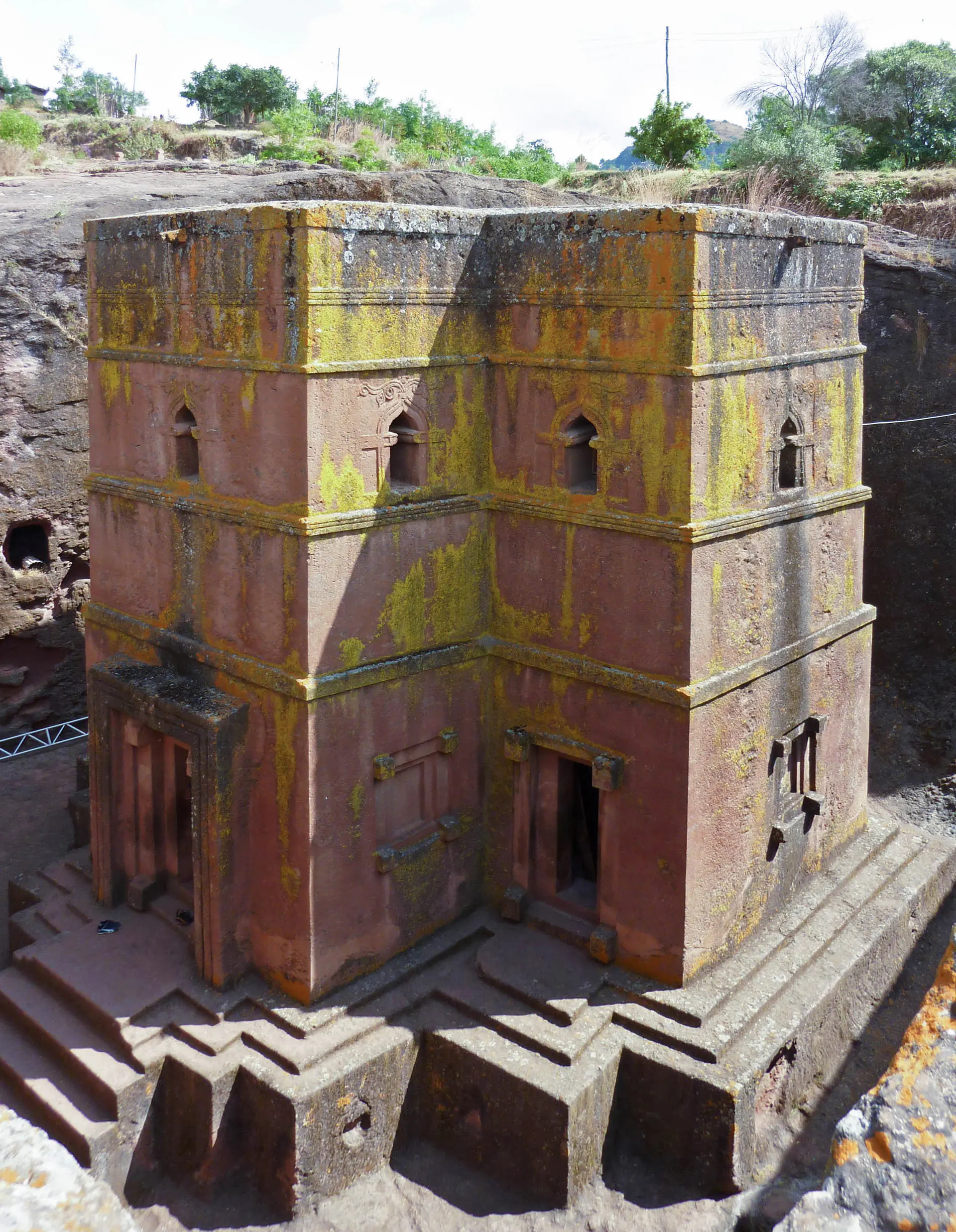
Ethiopia • UNESCO World Heritage Site
Rock-Hewn Churches of Lalibela: New Jerusalem in Ethiopian Stone
Medieval Africa's Sacred Monolithic Masterpiece
Inscribed: 1978
Category: Cultural
ID: #18
What Is Rock-Hewn Churches of Lalibela and Why Visit?
King Gebre Mesqel Lalibela commissioned these eleven extraordinary churches in the 12th-13th centuries to create a "New Jerusalem" in the Ethiopian Highlands after Muslim conquests made pilgrimage to the Holy Land increasingly difficult. Master craftsmen carved each church from a single block of volcanic rock, sculpting columns, arches, and drainage systems entirely from living stone without adding masonry. Workers excavated downward from the surface, removing an estimated 40,000 cubic meters of rock while carving architectural details with extraordinary precision. A rock-cut stream named the Jordan River divides the site into representations of earthly and heavenly Jerusalem, with churches positioned to recreate sacred geography. These churches remain active sites of Ethiopian Orthodox worship, with priests conducting daily services and thousands of white-robed pilgrims gathering for major festivals in continuous devotion spanning eight centuries.
Why It Matters
This medieval monolithic church complex represents one of humanity's most extraordinary architectural and engineering achievements. The eleven rock-hewn churches demonstrate the creative genius that transformed solid volcanic rock into fully functional ecclesiastical architecture, preserving the traditions of Ethiopian Christianity and the living heritage of Orthodox pilgrimage.
How to Visit Rock-Hewn Churches of Lalibela
Essential information for visiting this destination
How to Get to Rock-Hewn Churches of Lalibela
Ethiopian Airlines operates daily flights from Addis Ababa to Lalibela Airport (55 minutes, approximately $210 USD round trip), with connections from other Ethiopian tourist destinations including Bahir Dar, Aksum, and Gondar on the Historic Route circuit. Passengers who flew into Ethiopia on Ethiopian Airlines receive a 40% discount on domestic connections. Lalibela Airport lies 30-60 minutes from town by hotel shuttle, taxi, or minibus.
Overland travel requires two days from Addis Ababa by bus through stunning highland scenery: Day 1 to Dessie (departing 4:00-6:00 AM, 9 hours), Day 2 to Lalibela via Woldia. From Bahir Dar the journey takes 7-8 hours via Gashena. Roads have improved significantly but remain challenging. Within Lalibela town, walking reaches most hotels and restaurants, with tuk-tuks and minibuses available for longer distances.
Best Hotels Near Rock-Hewn Churches of Lalibela
Lalibela offers accommodation ranging from simple guesthouses to comfortable lodges overlooking the churches. Mountain View Hotel, Tukul Village, and Ben Abeba provide mid-range options with highland views and reliable service. Budget travelers find clean guesthouses in town near the church entrance. Hotels cluster around the town center within walking distance of the northern church group.
During major festivals (Ethiopian Christmas in January, Timkat, Easter), accommodations fill completely and should be booked months in advance. Expect higher prices and reduced availability during peak season (October-January). Some travelers base in Bahir Dar or Gondar and fly in for day visits, though this limits early morning and evening church access.
Electricity and hot water remain intermittent in Lalibela. Pack appropriate layers for cool highland evenings (temperatures drop to 10-15°C) and warm days (20-25°C).
Where to Eat Near Rock-Hewn Churches of Lalibela
Traditional Ethiopian cuisine centers on injera, the spongy fermented flatbread serving as both plate and utensil. Wat (stew) varieties include spicy doro wat (chicken) for special occasions, vegetarian options using lentils, chickpeas, and vegetables, and tibs (sauteed meat). Coffee ceremonies following meals represent essential Ethiopian hospitality, with beans roasted, ground, and brewed in elaborate ritual. Local tej (honey wine) and tella (barley beer) accompany festive meals. Fasting periods (Wednesday, Friday, and extended Lenten season) mean restaurants serve only vegan food--an excellent opportunity to explore vegetarian Ethiopian cuisine. Restaurants in Lalibela serve tourists and offer both Ethiopian and basic international options. Ben Abeba restaurant provides exceptional food with dramatic valley views.
Rock-Hewn Churches of Lalibela Entry Fees & Tour Prices
Church entrance tickets cost $50-100 USD for adults (prices have increased recently--confirm current rates), valid for five days and covering all eleven churches. Children 9-13 pay approximately $25 USD, with free entry for children under 9. Tickets require passport for purchase and can be obtained at the site entrance. Payment accepted in USD or Ethiopian Birr at current exchange rates.
Guided tours through official priest-guides cost ETB 500-800 ($15-25 USD) per group and provide essential context, access to locked sanctuaries, and religious interpretation. Independent exploration is permitted but guides significantly enhance understanding.
Day hikes to Asheten Maryam monastery (4-5 hours round trip) climb to 3,200 meters for panoramic views and visit a 14th-century rock church. Yemrehanna Kristos church (40 km from town) represents exceptional Aksumite architecture in a cave setting. Local market days (Monday, Thursday) offer cultural immersion.
What to Bring to Rock-Hewn Churches of Lalibela
Travel insurance covering medical emergencies and evacuation essential for Ethiopia given limited healthcare facilities. International eSIM cards enable connectivity though signals remain weak in Lalibela. Ethiopian Birr (ETB) is the local currency; carry sufficient cash as ATMs are unreliable and credit cards rarely accepted. USD accepted for major payments including church entrance.
Lalibela sits at 2,500 meters elevation--allow acclimatization time before strenuous activity. October-March offers the dry season with comfortable temperatures (10-25°C). Rainy season (June-September) makes church trenches slippery and some roads impassable. Pack modest clothing for church visits (long pants/skirts, covered shoulders, women's headscarves), comfortable walking shoes, flashlight, and sun protection. Ethiopian Type C/F outlets operate on 220V with frequent power interruptions.
Loading map...
Visitor Information
Everything you need to know for your visit
What to Bring
Comfortable walking shoes with excellent grip essential for uneven rocky surfaces, steep passages, and worn stone steps throughout the churches. Bring modest clothing covering shoulders and knees for church visits, with women requiring headscarves. Pack sunscreen and hat for exposed areas between churches. Carry small flashlight for dimly lit church interiors. Water and snacks recommended as facilities are limited. Respecting religious customs, avoid chewing gum or eating inside churches.
Accessibility
The rock-hewn churches present significant accessibility challenges with steep carved stairways, narrow tunnels, uneven rock surfaces, and deep excavated trenches surrounding churches. No wheelchair access exists for any church. Visitors with mobility limitations should discuss specific churches and route options with guides, as some involve less difficult terrain than others. High altitude (2,500 meters) may affect visitors unaccustomed to elevation.
Safety Tips
Lalibela is safe for visitors though the rugged terrain requires caution on slippery stone surfaces, especially during or after rain. Altitude sickness possible at 2,500 meters--acclimatize before strenuous activity. Religious festivals bring massive crowds requiring patience and awareness of ceremonial activities. Tap water should be purified or bottled water used. Modest dress required respecting the active religious nature of all churches.
Eleven Churches Carved from Living Rock
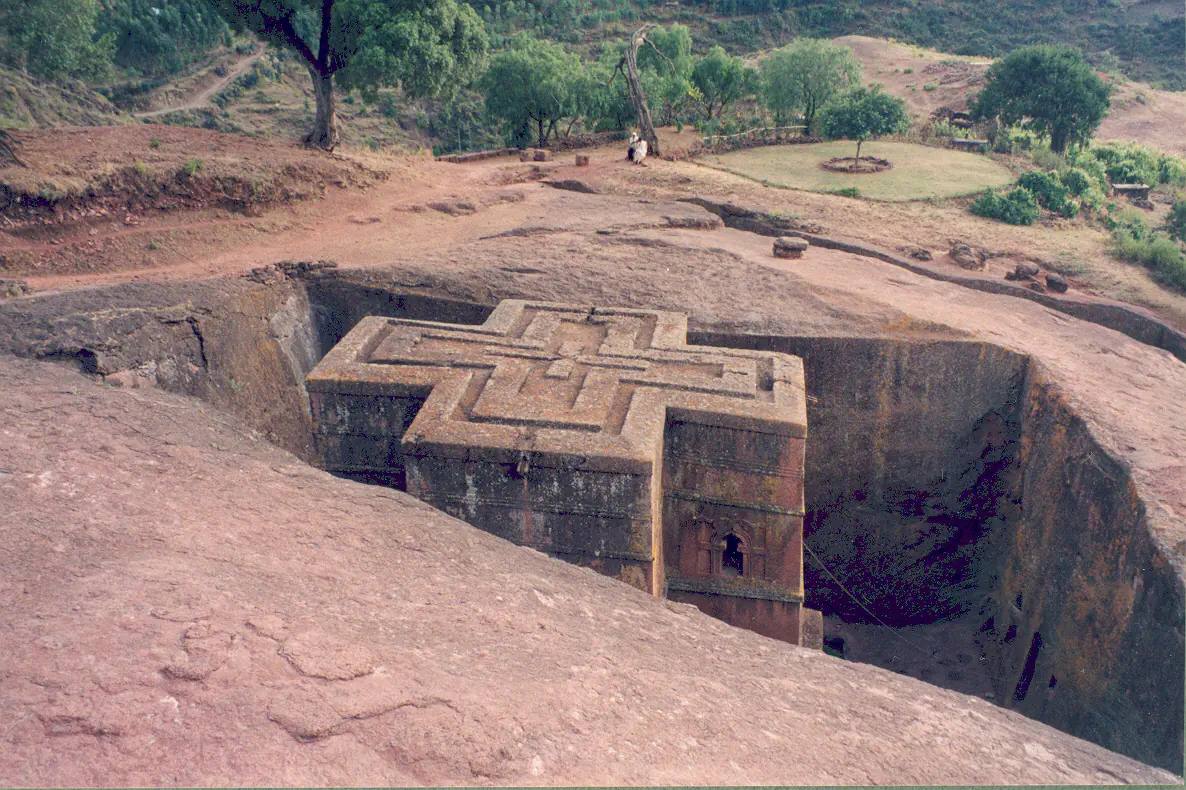
Must-See
Bet Giyorgis: The Perfect Cross
Descend steep pathways to witness Africa's most remarkable religious monument: a perfectly symmetrical Greek cross carved 12 meters deep into solid red volcanic rock. King Lalibela commissioned this church last, according to legend after Saint George appeared reproaching him for not dedicating a church in his name. The isolated location and extraordinary preservation make Bet Giyorgis the most iconic image of Lalibela. Viewing platforms around the excavated trench reveal how craftsmen carved downward from the surface, removing an estimated 40,000 cubic meters of rock while creating windows, columns, and decorative details with astonishing precision. The interior contains ancient crosses, illuminated manuscripts, and the spiritual atmosphere of eight centuries of continuous worship.
Pro tip: Visit Bet Giyorgis at sunrise when golden light illuminates the cross-shaped roof and few other visitors have arrived--the 6:00am opening allows spectacular photography before tour groups appear after 8:00.
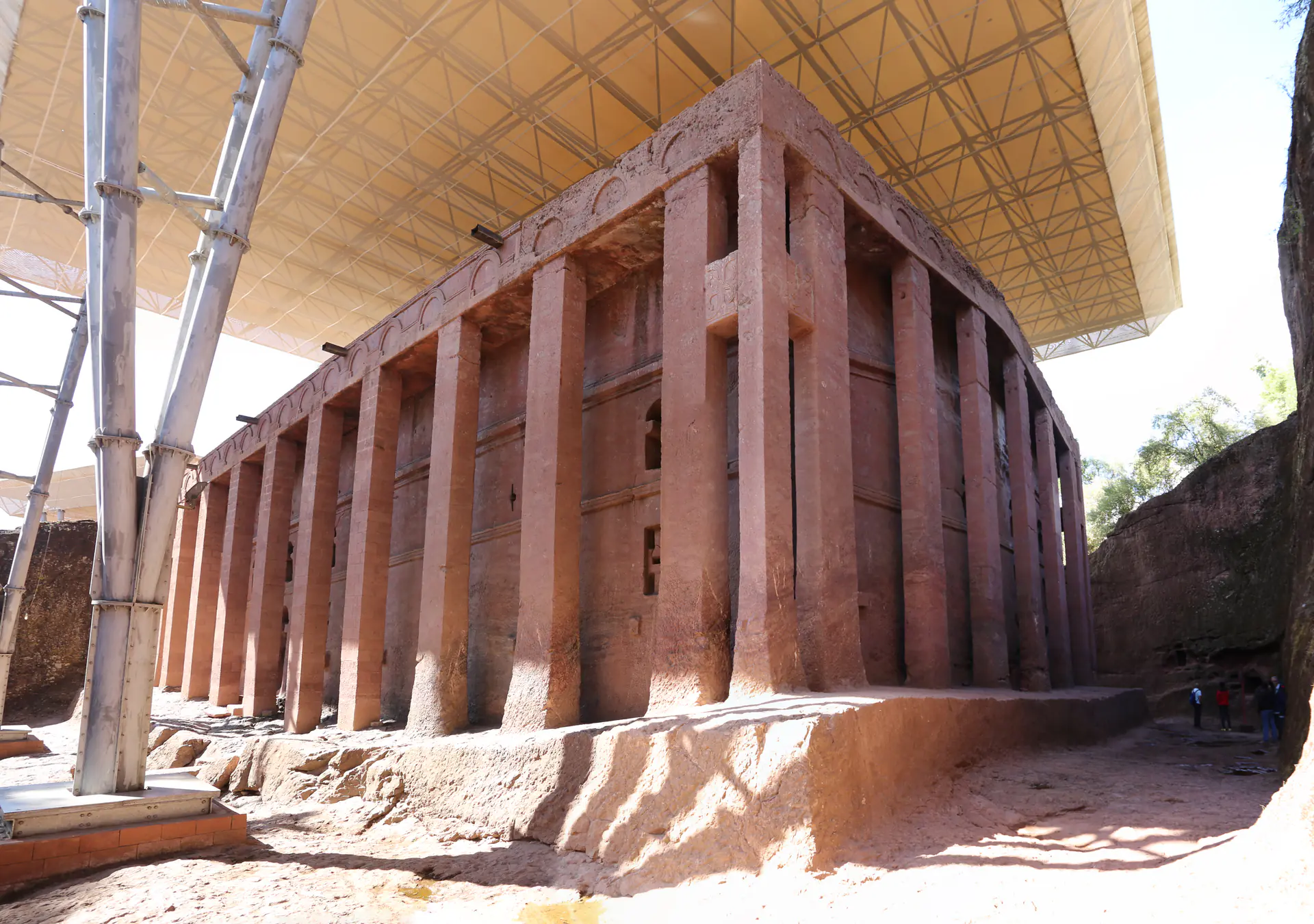
Must-See
Bet Medhane Alem: World's Largest Monolithic Church
Enter the world's largest church carved from a single block of rock, measuring 33.5 by 23.5 meters with 72 pillars inside and out. Bet Medhane Alem (House of the Savior of the World) anchors the northern church group, possibly modeled after St. Mary of Zion Cathedral in Aksum that legend claims housed the Ark of the Covenant. The massive columns create a forest of stone supporting the carved roof, with natural light filtering through carefully positioned windows. This church holds the Lalibela Cross, a processional cross dating to the 12th century among Ethiopia's most sacred relics. The sheer scale demonstrates the ambition and engineering prowess of medieval Ethiopian craftsmen working without modern tools.
Pro tip: Enter Bet Medhane Alem when priests conduct morning prayers around 6:30-7:00am--participating in active worship with white-robed priests chanting ancient Ge'ez liturgy provides profound spiritual atmosphere impossible to experience on standard tours.
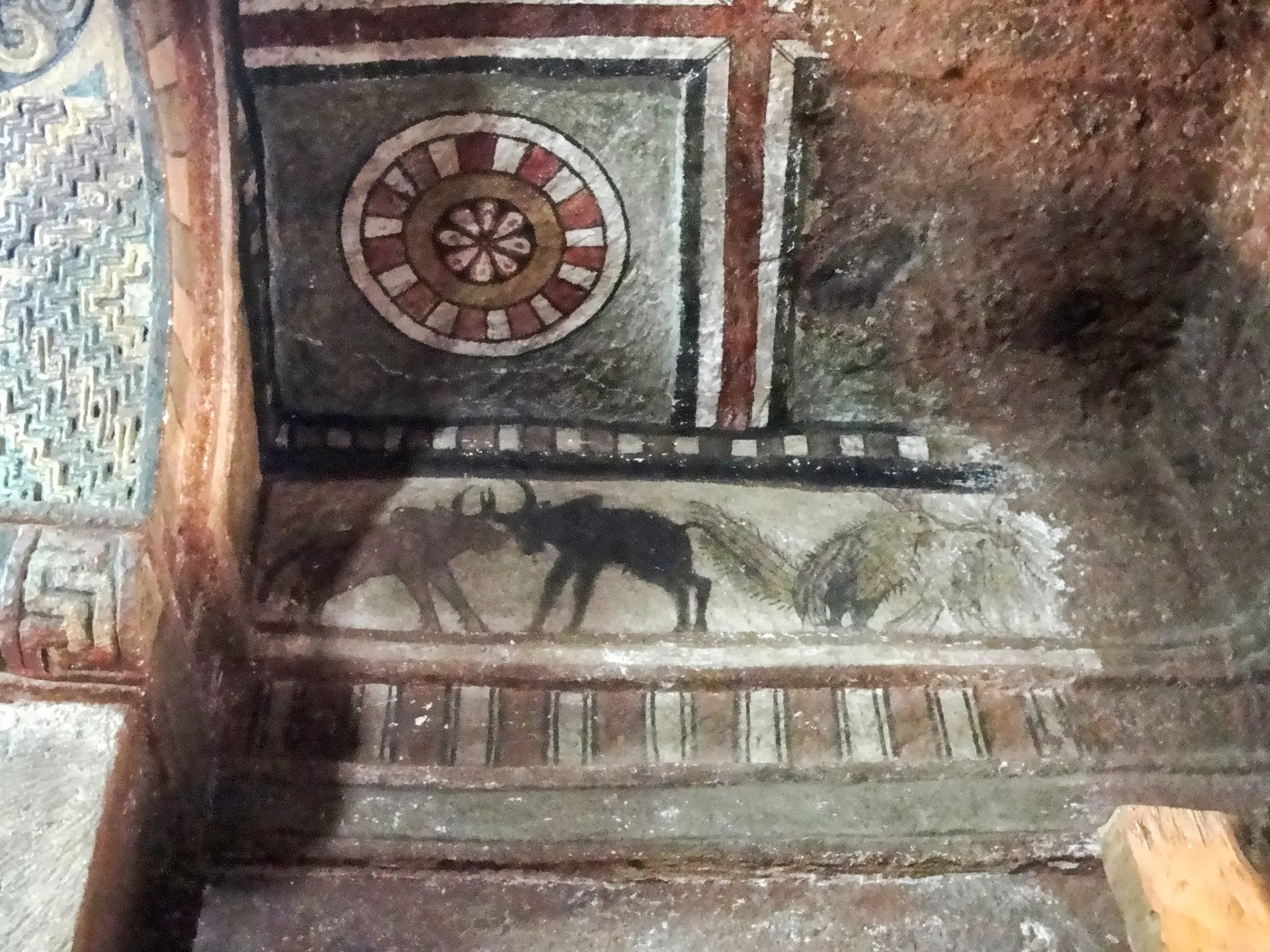
Recommended
Northern Group Pilgrimage Circuit
Navigate the interconnected northern church complex through tunnels, trenches, and ceremonial passages linking five churches in a sacred pilgrimage circuit recreating Jerusalem's holy sites. Begin at Bet Medhane Alem before entering the courtyard of Bet Maryam, the most decorated church with elaborate wall paintings and carved Star of David windows. Continue through narrow passages to Bet Golgotha housing the tomb of King Lalibela himself, and the adjacent Bet Mikael. The complex demonstrates how medieval architects conceived the entire mountainside as an integrated sacred landscape, with each church positioned to recreate pilgrimage geography that Ethiopian Christians could no longer access in the actual Holy Land.
Pro tip: Hire a local priest-guide through official channels (ETB 500-800, $15-25 USD per group) who can explain religious symbolism, open locked inner sanctuaries containing ancient manuscripts, and provide access during active ceremonies when unaccompanied visitors might be excluded.
Recommended
Ethiopian Orthodox Pilgrimage Experience
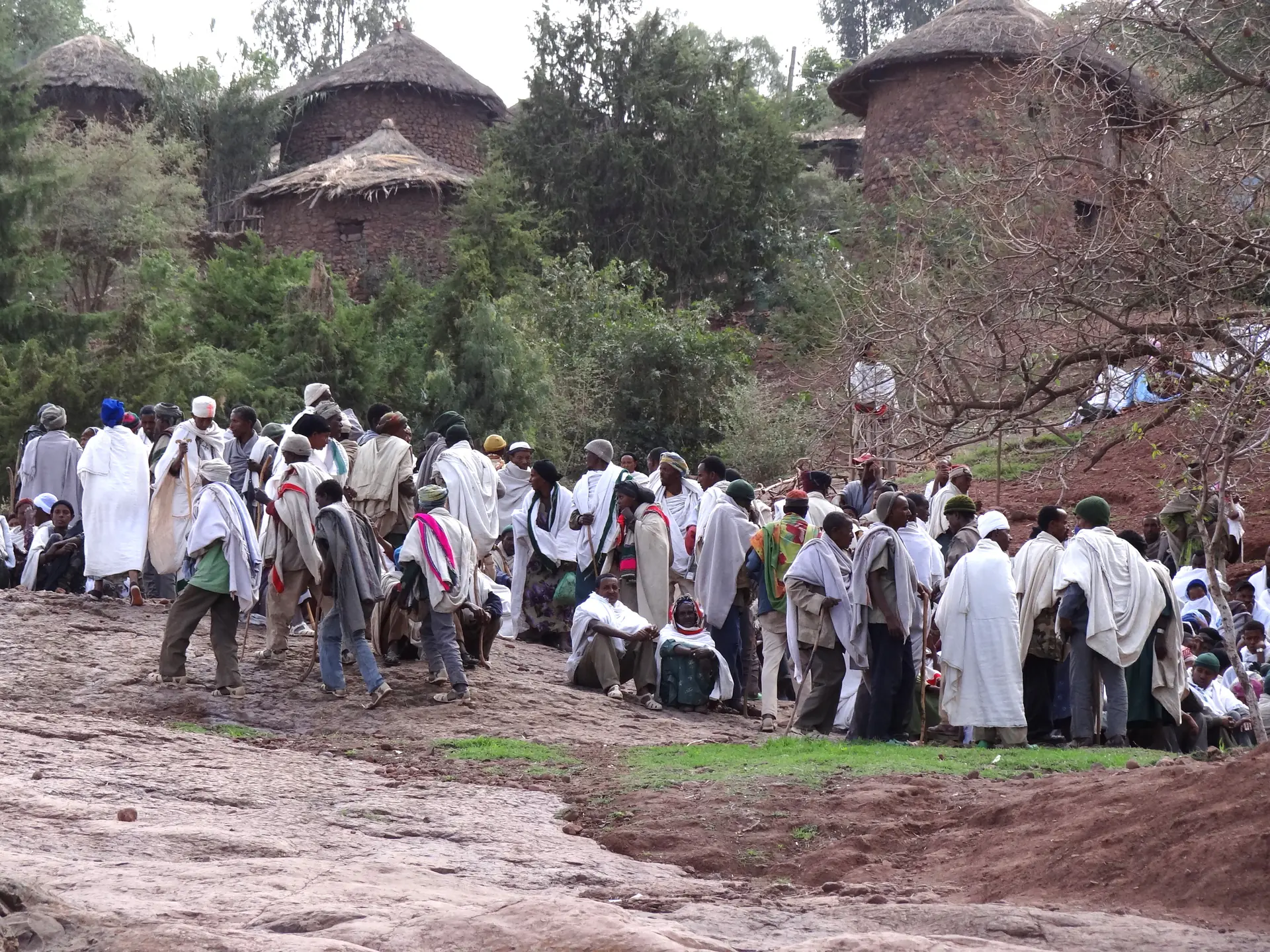
Witness living religious devotion as white-robed pilgrims gather for daily services, major festivals, and personal prayer at churches functioning continuously since the 12th century. Ethiopian Orthodox Christianity preserves practices largely unchanged since the early church, with ancient Ge'ez liturgy, distinctive chant, and ritual dance (mezmur). Major festivals bring tens of thousands of pilgrims sleeping in open courtyards surrounding the churches. Ethiopian Christmas (Genna) on January 7 and Timkat (Epiphany) around January 19 offer spectacular gatherings with all-night vigils, candlelit processions, and dawn celebrations. The continuous tradition connecting modern worshippers to medieval founders makes Lalibela among the world's most spiritually significant heritage sites.
Pro tip: Attend the Ethiopian Christmas Eve (January 6) all-night vigil if possible--pilgrims in white shammas fill every church and surrounding cliff face, priests process with the Lalibela Cross, and dawn mass on January 7 creates an unforgettable experience requiring early arrival and respectful dress.
Historical Context
Aksumite Kingdom Heritage (1st-7th centuries)
Christianity reached Ethiopia in the 4th century, making it one of the world's oldest Christian nations. The Aksumite Kingdom established architectural and religious traditions that influenced Lalibela's later development. When Aksum declined, the Christian faith endured in the Ethiopian Highlands, preserving practices and liturgy that would find monumental expression in the rock-hewn churches.
Zagwe Dynasty and King Lalibela (ca. 1137-1270)
The Zagwe dynasty ruled Ethiopia from their capital at Roha (later renamed Lalibela). King Gebre Mesqel Lalibela, reigning approximately 1181-1221, commissioned the rock-hewn churches after Jerusalem's capture by Saladin in 1187 made Holy Land pilgrimage nearly impossible for Christians. According to tradition, angels assisted construction, which took 24 years to complete all eleven churches.
New Jerusalem Conception (12th-13th centuries)
Lalibela's churches were explicitly designed to create an Ethiopian Jerusalem, with a rock-cut stream named the Jordan River dividing the site and churches positioned to recreate sacred geography. This New Jerusalem allowed Ethiopian Christians to perform pilgrimage rituals when the actual Holy Land remained inaccessible, establishing a devotional tradition continuing to the present day.
Solomonic Dynasty and Continued Veneration (1270-1974)
When the Solomonic dynasty replaced the Zagwe in 1270, claiming descent from King Solomon and the Queen of Sheba, Lalibela remained a major pilgrimage center. The churches received royal patronage, additions, and continuous religious use through centuries of Ethiopian history including conflicts, the Italian occupation, and imperial transformations.
UNESCO Recognition and Conservation Challenges (1978-present)
UNESCO inscribed Lalibela among the first World Heritage Sites in 1978, recognizing its outstanding universal value. However, conservation challenges emerged as water erosion threatened the volcanic rock churches. Controversial protective shelters erected in 2008 over five churches sparked ongoing debate between preservation specialists and local religious authorities. Climate change, pilgrim pressure, and tourism continue to challenge conservation efforts.
Conservation
Current Status
The Rock-Hewn Churches face significant conservation challenges from water infiltration, structural deterioration, and tension between scientific preservation and the living religious function of these active places of worship. International and local efforts seek sustainable solutions balancing heritage protection with continued devotional use.
Challenges
- Water infiltration through cracks in volcanic rock causing expansion of clay minerals, freeze-thaw damage, and progressive deterioration accelerated by climate change with increased rainfall patterns
- Structural risks to individual churches including Bet Amanuel facing potential collapse, requiring emergency stabilization while maintaining architectural integrity and religious function
- Controversial temporary shelters over five churches causing unintended problems including preventing natural drying, creating shade environments encouraging vegetation growth, and obstructing traditional religious gatherings
- Pilgrim and tourist pressure with 80,000-100,000 annual visitors creating wear on fragile stone surfaces, particularly during major festivals when 60,000 pilgrims gather at Christmas
- Climate change bringing extreme weather including increased rainfall and temperature variations accelerating material weathering and requiring adaptive management strategies
Conservation Efforts
- UNESCO World Heritage monitoring and international expertise from organizations including ICCROM providing technical guidance on rock conservation and structural stabilization
- Traditional construction knowledge from local communities contributing to understanding historical building techniques and culturally appropriate conservation approaches
- Drainage improvements addressing water management in excavated trenches where stagnation accelerates rock deterioration
- Visitor management strategies including designated pathways and protective coverings for most vulnerable surfaces reducing wear from foot traffic
- Stakeholder dialogue between Ethiopian Orthodox Church authorities, preservation specialists, and government agencies seeking consensus on sustainable approaches respecting both heritage values and living religious traditions
Frequently Asked Questions
Craftsmen carved each church from solid volcanic rock by excavating downward from the surface, removing an estimated 40,000 cubic meters of stone. Using hand tools, they sculpted columns, arches, windows, and decorative details entirely from living rock without adding any masonry. The process likely took 24 years under King Lalibela's direction.
Entrance tickets cost $50-100 USD for adults (prices recently increased--confirm current rates). Tickets valid for 5 days covering all eleven churches. Children 9-13 pay approximately $25 USD, under 9 free. Passport required for purchase. Payment accepted in USD or Ethiopian Birr.
While independent exploration is permitted with your ticket, hiring a priest-guide through official channels (ETB 500-800, $15-25 USD per group) significantly enhances the experience. Guides provide religious context, access locked inner sanctuaries containing ancient manuscripts, and facilitate participation in active ceremonies.
October-March offers dry season with comfortable temperatures (10-25°C). Ethiopian Christmas (Genna) on January 7 and Timkat (Epiphany) around January 19 feature spectacular pilgrim gatherings. Avoid June-August rainy season when trenches flood and some roads become impassable.
Ethiopian Airlines flies daily from Addis Ababa (55 minutes, approximately $210 USD round trip). International passengers on Ethiopian Airlines receive 40% domestic flight discount. Overland travel takes two days by bus from Addis Ababa. The airport is 30-60 minutes from town.
Modest clothing required: long pants or skirts, covered shoulders. Women must wear headscarves inside churches. Remove shoes before entering (bring socks). White clothing preferred for respect during religious services. No chewing gum or eating inside churches.
Yes, all eleven churches remain active Ethiopian Orthodox places of worship. Priests conduct daily services, and the churches host major festivals including Ethiopian Christmas, Timkat (Epiphany), Easter, and numerous saint days attracting tens of thousands of pilgrims in living religious tradition.
King Lalibela built these churches in the 12th-13th centuries to create a substitute Jerusalem for Ethiopian Christians after Saladin's conquest of the Holy Land made pilgrimage dangerous. The site recreates sacred geography with a stream named Jordan River dividing representations of earthly and heavenly Jerusalem.
Bet Giyorgis (Church of St. George) is most iconic--a perfectly symmetrical Greek cross carved 12 meters into solid rock. According to legend, Saint George himself appeared to King Lalibela demanding his own church. Its isolated position and extraordinary preservation make it Lalibela's symbol.
Plan minimum 2-3 full days for comprehensive church exploration. This allows unhurried visits to all eleven churches, time for morning services, and optional day hikes to nearby monasteries. Major festivals require extended stays. Some travelers visit on day trips from Bahir Dar, though this limits access to early morning and evening hours.
UNESCO World Heritage Criteria
Inscribed in 1978, this site meets 3 of UNESCO's 10 criteria for Outstanding Universal Value
I
Criterion (i): Masterpiece of human creative genius
The Rock-Hewn Churches represent a masterpiece of human creative genius. Carving eleven churches from solid volcanic rock without adding any masonry, while achieving sophisticated architectural forms including columns, arches, and decorative details, demonstrates extraordinary innovation and artistic achievement unmatched in the ancient world.
II
Criterion (ii): Interchange of human values
Lalibela exhibits an important interchange of human values through its synthesis of Ethiopian Orthodox religious tradition with innovative rock architecture. The concept of creating a "New Jerusalem" when the actual Holy Land became inaccessible demonstrates creative cultural response to historical circumstances, influencing Ethiopian Christianity and pilgrimage traditions.
III
Criterion (iii): Testimony to cultural tradition
The churches bear exceptional testimony to medieval Ethiopian civilization and the enduring traditions of Ethiopian Orthodox Christianity. The continuous use of these 12th-century churches for worship, pilgrimage, and religious festivals represents living cultural heritage linking contemporary practitioners to medieval founders through unbroken devotional practice.
Image & Content Attribution
Research & Content Sources
Photography & Visual Media
Last updated: 20 December 2025