
South Africa • UNESCO World Heritage Site
Robben Island: Nelson Mandela's Prison & Apartheid Museum
Symbol of Freedom and Human Rights Triumph Over Oppression
Inscribed: 1999
Category: Cultural
ID: #916
What Is Robben Island and Why Visit?
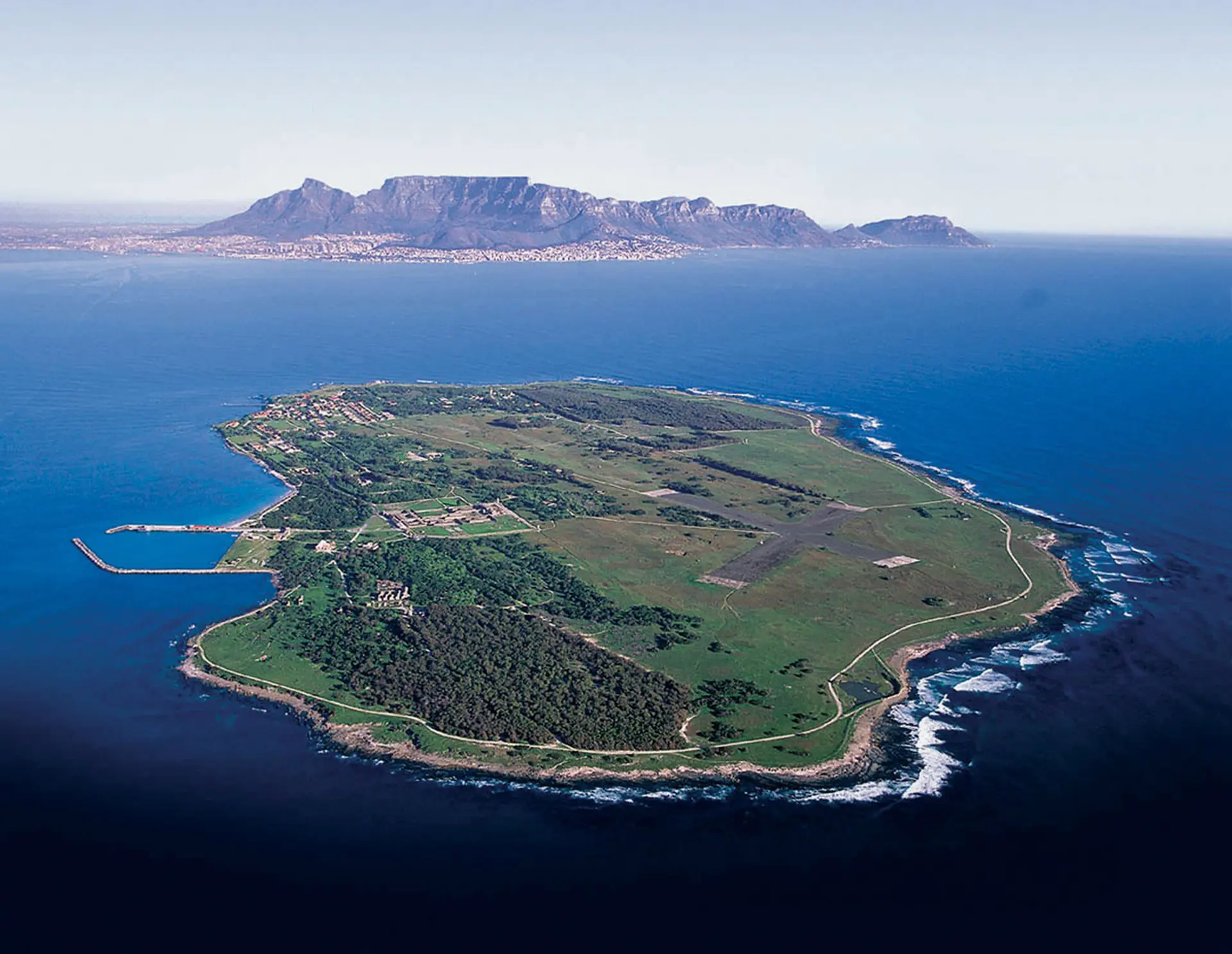
The South African government established this maximum security prison in 1961 to hold political prisoners who opposed apartheid. For three decades this island 7 kilometers off Cape Town held leaders of the liberation struggle, including Nelson Mandela, who spent 18 of his 27 prison years here from 1964 to 1982. Political prisoners did forced labor in the limestone quarry and lived in small cells under harsh conditions. They also organized study among themselves, debating political philosophy and preparing for a democratic future. UNESCO describes the island and its prison buildings as a symbol of the triumph of the human spirit, of freedom and of democracy over oppression, and the site now draws visitors from around the world.
Why It Matters
For more than three centuries Robben Island was a place of banishment, imprisonment and isolation. Its maximum security prison, where Nelson Mandela and other political prisoners were held during apartheid, testifies in UNESCO's words to the way democracy and freedom triumphed over oppression and racism. The island is now a museum dedicated to human rights and reconciliation.
How to Visit Robben Island
Essential information for visiting this destination
How to Get to Robben Island
Fly into Cape Town International Airport (CPT), located 20 kilometers southeast of the city center. The MyCiTi airport bus service connects to central Cape Town in approximately 30 minutes, with departures every 20 minutes during peak hours. Metered taxis and ride-sharing services (Uber, Bolt) provide direct transport to hotels and the V&A Waterfront. Car rental available at the airport, though parking at the V&A Waterfront can be expensive and limited. The only access to Robben Island is via official ferry from the Nelson Mandela Gateway at Cape Town's V&A Waterfront--no private boats permitted. Ferries depart at 09:00, 11:00, 13:00, and 15:00 from September to April (no 15:00 sailing May-August), with crossings of 30-60 minutes depending on the boat. MyCiTi buses, taxis, and ride-sharing services all connect central Cape Town to the V&A Waterfront ferry terminal.
Best Hotels Near Robben Island
Stay near Cape Town's V&A Waterfront for convenient ferry access and vibrant atmosphere, with upscale hotels offering Table Mountain views and proximity to restaurants, though premium pricing applies. The waterfront area provides walkable access to ferry departure points and evening dining options after island tours.
City Bowl neighborhoods including Gardens and Tamboerskloof offer quieter residential character with heritage guesthouses in Victorian buildings, mountain backdrops, and authentic Cape Town atmosphere--15-20 minutes from the waterfront via Uber or MyCiTi bus. Sea Point and Camps Bay provide beachfront locations with Atlantic Ocean views, restaurants, and sunset promenades, though 20-30 minutes from ferry terminal.
Book accommodation months ahead during peak summer season (December-February) when properties fill rapidly. Many visitors combine Robben Island with Cape winelands and Garden Route trips, basing themselves in Cape Town for 3-5 days.
Where to Eat Near Robben Island
Cape Town blends indigenous South African flavors with Malay, Dutch, and British influences. Traditional dishes include bobotie (spiced mince), sosaties (marinated skewers), and Cape Malay curries featuring aromatic spices. Seafood restaurants serve fresh linefish, snoek, and crayfish.
The V&A Waterfront hosts restaurants with harbor views, convenient before or after island tours. For authentic experiences, explore Bo-Kaap neighborhood where Cape Malay families have served traditional koesisters and samoosas for generations. Wine tours venture to nearby Stellenbosch and Franschhoek for world-class vintages.
Robben Island Entry Fees & Tour Prices
Robben Island tours cost ZAR 600 ($37 USD) for international adults, ZAR 310 ($19 USD) for children under 18, including ferry crossing, bus tour, and prison tour with a museum guide. Book tickets 2-3 weeks ahead through the official museum website--tours sell out during summer. Morning departures (9am) encounter calmer seas.
Museum guides lead tours covering the maximum security prison, Nelson Mandela's cell, limestone quarry, and island village. Cameras are welcome for personal use, but drones and tripods are not allowed. The complete experience takes 3.5-4 hours including ferry travel.
Cape Town surroundings offer exceptional experiences: Table Mountain cable car, Kirstenbosch Botanical Gardens, Cape Peninsula drives to Cape Point and Boulders Beach penguin colony, and winelands day trips to Stellenbosch and Franschhoek.
What to Bring to Robben Island
Get comprehensive travel insurance covering medical emergencies, trip cancellations, and lost luggage for international visits to South Africa. Medical facilities in Cape Town meet international standards, though comprehensive insurance essential for emergency treatment and medical evacuation if needed.
International eSIM cards provide data packages throughout South Africa, enabling navigation apps, online bookings, ferry ticket confirmations, and real-time translations. Local SIM cards available at Cape Town airport with affordable data plans. South Africa uses Type M electrical outlets (220V), requiring specialized three-pin round adapters--universal travel adapters often incompatible. Purchase Type M adapter at airport or electronics shops.
Bring a valid passport, ID or driver's license--it is required for boarding. The island accepts only South African Rand (ZAR) and cards. ATMs widely available throughout Cape Town. Comfortable walking shoes essential for prison tours and limestone quarry visits. Weather changes rapidly--bring layers and windproof jacket even in summer.
Loading map...
Visitor Information
Everything you need to know for your visit
What to Bring
Warm layers and windproof jacket essential for ferry crossing and rapidly changing island weather. Motion sickness medication if prone to seasickness. Comfortable walking shoes for prison yard and quarry visits. Camera for personal use (no drones or tripods). Sunscreen, hat, and water bottle for outdoor portions.
Accessibility
Limited wheelchair accessibility due to historic prison infrastructure and uneven surfaces. Accessible ferry boarding available with advance notice. Some prison areas including Nelson Mandela's cell section have step access only. Island buses can accommodate wheelchairs with assistance. Contact Robben Island Museum 48 hours ahead for accessibility arrangements and specialized tour modifications. Alternative viewing options available for inaccessible areas.
Safety Tips
Ferry services canceled in rough weather conditions common during winter months (May-August). Book tickets weeks ahead during peak summer season as tours sell out frequently. Arrive at V&A Waterfront ferry terminal 30 minutes before departure for check-in procedures. Tours operate on strict schedule--latecomers cannot board. Follow guide instructions closely during prison tour. Weather can shift suddenly, be prepared for wind and temperature changes on exposed island.
Sites of Resistance and Freedom
Must-See
Nelson Mandela's Prison Cell
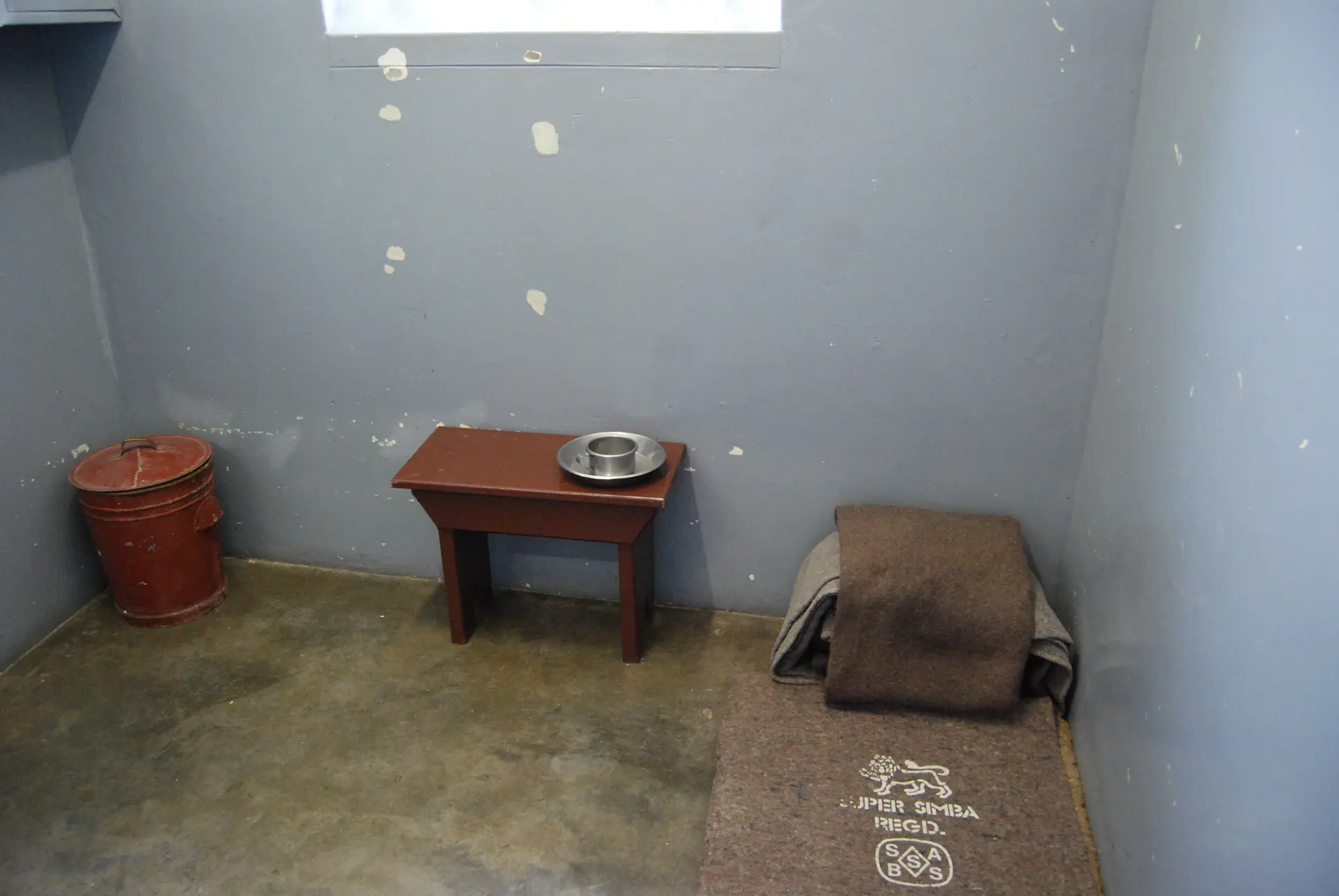
Cell number 5 in B-Section housed Nelson Mandela from 1964 to 1982 during his 27-year imprisonment. The tiny cell measuring just 2.1 by 2.4 meters contained only a straw mat, bucket toilet, and a small window. Like other political prisoners, Mandela did hard labor in the limestone quarry, and his contact with family and the outside world was strictly limited. He was released in 1990, after transfer to mainland prisons, and became South Africa's first democratically elected president in 1994. The cell is preserved as part of the museum tour, a powerful testament to human endurance.
Pro tip: Listen closely as your guide shares former political prisoners' testimonies at the cell, which bring profound emotional depth to the visit.
Must-See
Maximum Security Prison Block
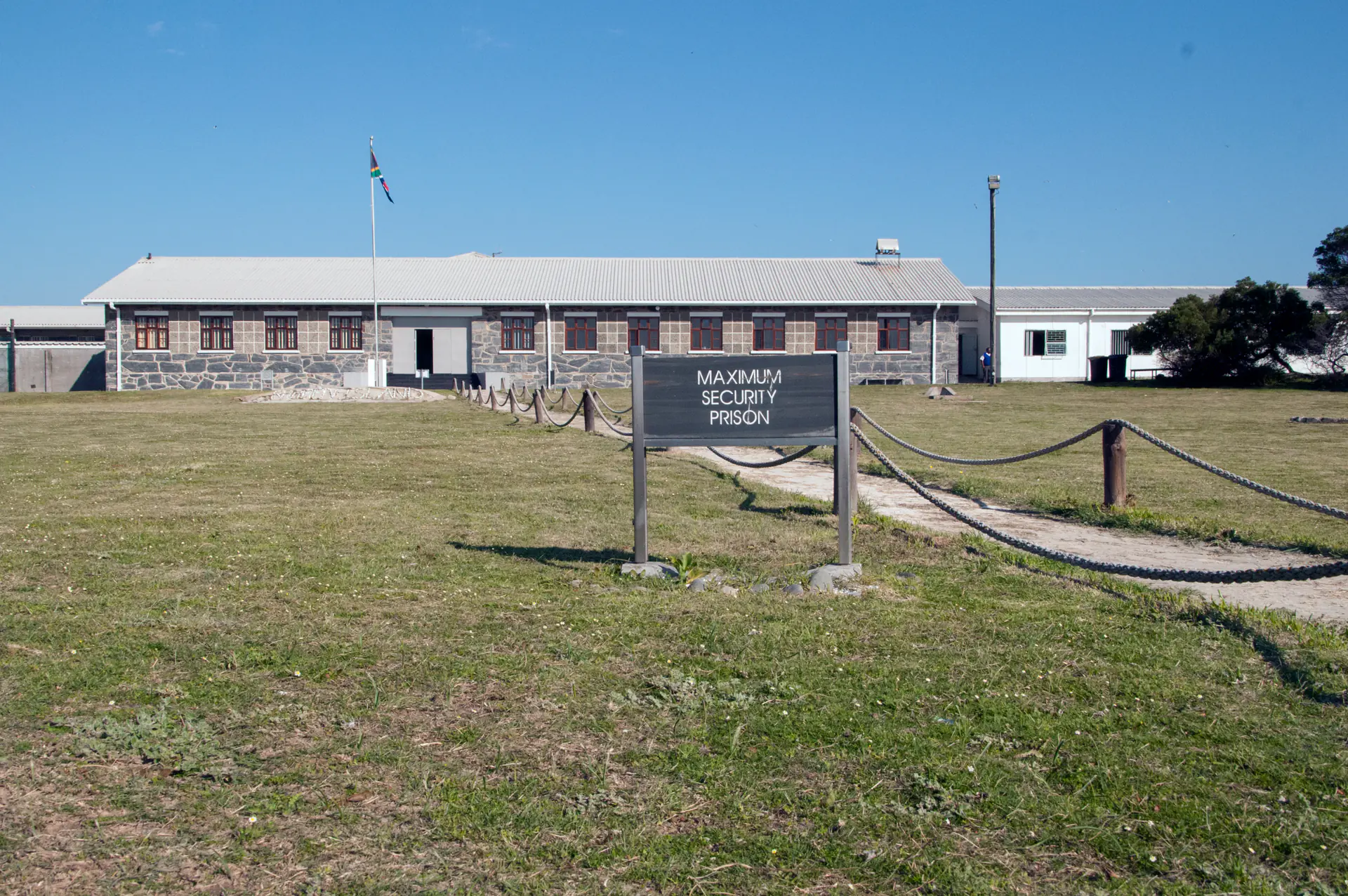
The B-Section maximum security block held political prisoners classified as dangerous opponents of apartheid throughout the 1960s-1980s. Prison authorities designed this section specifically to isolate leaders of liberation movements including the African National Congress (ANC), Pan Africanist Congress (PAC), and other resistance organizations. Prisoners lived in small single cells under strict discipline, with meager rations and limited contact with their families. Despite these conditions, prisoners created an informal "University" where they debated political theory, taught each other subjects from history to languages, and prepared for the free South Africa they knew would eventually come.
Pro tip: Visit the communal areas where prisoners secretly educated each other, turning their prison into a crucible for democratic leadership.
Recommended
Limestone Quarry Labor Site
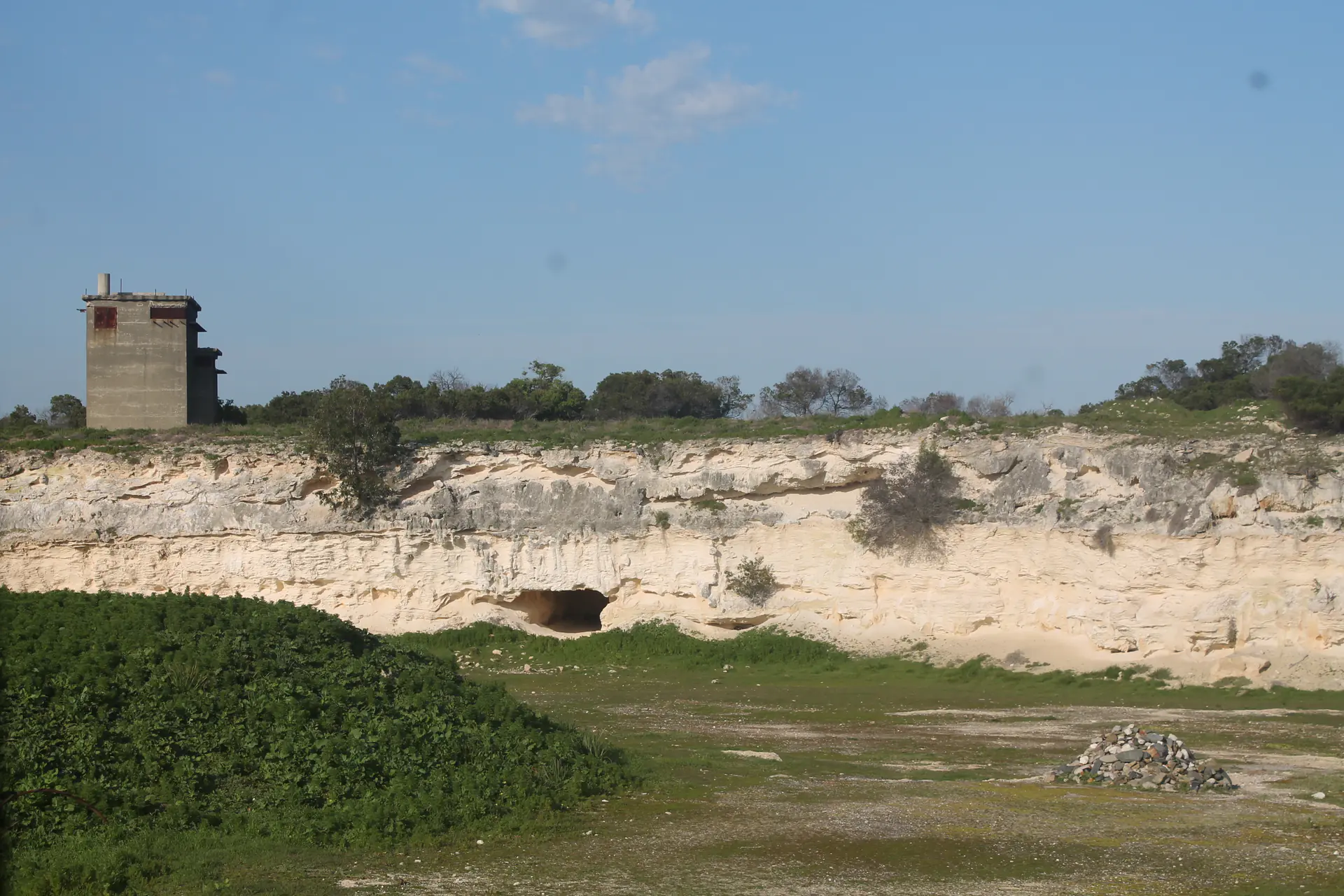
Political prisoners were made to do hard labor in this limestone quarry for years, breaking rock with hammers and picks under strong sunlight. The bright white limestone reflected an intense glare that damaged the eyesight of many prisoners. The work was exhausting, especially in the heat of the Cape summer, yet prisoners also used the time together for quiet political discussion and to maintain their solidarity. In 1995, former prisoners returned and placed a pile of stones at the quarry as a memorial.
Pro tip: The quarry offers views across Table Bay to Table Mountain, the same vista the prisoners saw during their years of imprisonment.
Recommended
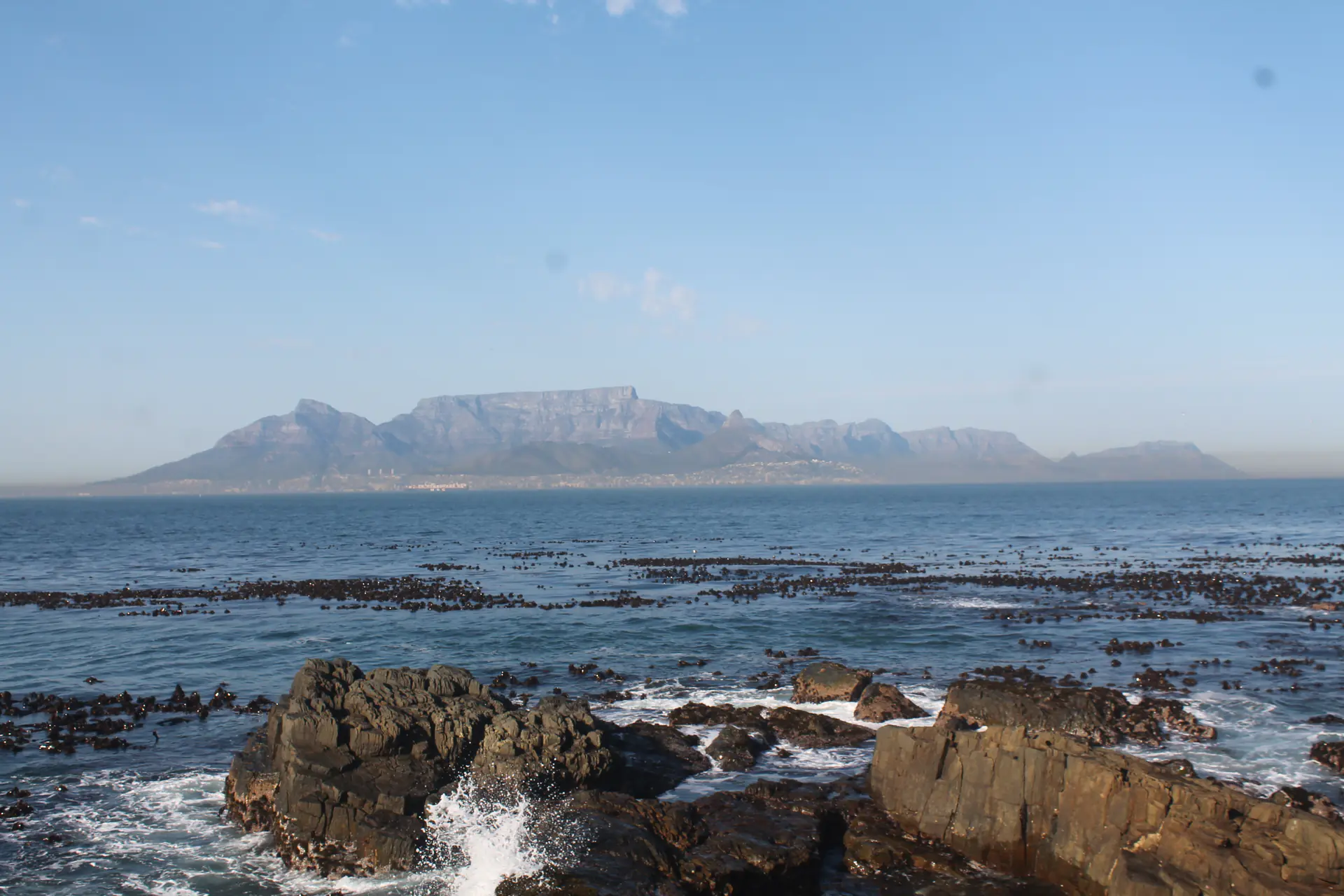
Views of Table Mountain and Cape Town
Throughout their imprisonment, political prisoners could see Table Mountain and Cape Town's lights across Table Bay--a constant reminder of freedom denied and the world continuing beyond their confinement. This view across just 7 kilometers of water represented both their isolation from families and communities and their unbreakable connection to the liberation struggle happening on the mainland. Former prisoners describe how they would gather to watch the city lights at night, discussing the free South Africa they were determined to build. After democratic elections in 1994, many returned to Robben Island not as prisoners but as guides, sharing their stories while looking out at the mountain that symbolized their endurance.
Pro tip: Stand where Mandela stood at the quarry edge, gazing toward Table Mountain--this perspective powerfully connects visitors to prisoners' daily reality.
Time Permitting
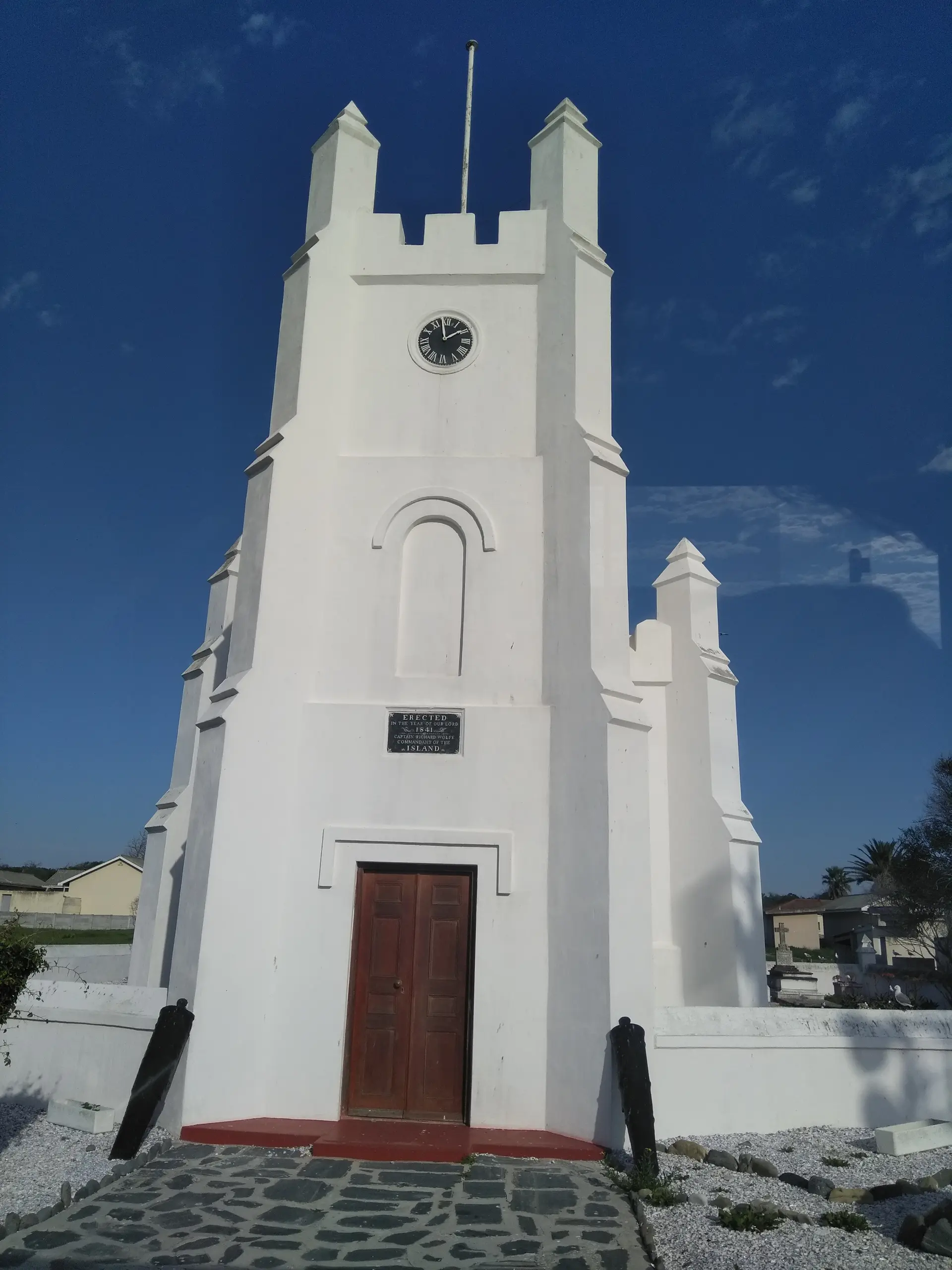
Island Village and Historical Church
The village predates the maximum security prison, established in the late 19th century when the island served as a leper colony and later as a military base during World War II. The administrative buildings, residences for staff and guards, and the Church of the Good Shepherd represent layers of the island's complex history before becoming an apartheid prison. The church, built in 1895, served people with leprosy who had been sent from the mainland--another chapter in the island's long association with isolation and marginalization. Today, the village provides context for understanding how the island's role changed from colony and hospital to military base and prison, while the earlier structures remind visitors of the island's broader human story.
Pro tip: The small museum in the village displays artifacts from different eras, offering perspective on four centuries of the island's layered history.
Historical Context
Colonial Period (17th-19th centuries)
Dutch and British colonial authorities used the island as a place of banishment, imprisoning political leaders who resisted European control. Khoi chiefs, religious leaders from Indonesia, and political prisoners from colonies throughout the British Empire were exiled here, establishing the island's long association with political imprisonment and isolation.
Leper Colony (1845-1931)
Colonial authorities established a leper colony on Robben Island, forcibly removing people with leprosy from mainland communities. The Church of the Good Shepherd (1895) is the only surviving remnant of the colony, which closed in 1931. This chapter represents another form of systematic isolation and marginalization of vulnerable populations by colonial powers.
World War II (1939-1945)
South African military forces converted the island into a defensive installation protecting Cape Town harbor during World War II. The military constructed gun emplacements, fortifications, and additional infrastructure. After the war, the island briefly served as a naval training station before its transformation into a maximum security prison.
Apartheid Prison (1961-1991)
The apartheid government established the maximum security prison in 1961 specifically to isolate political prisoners fighting for racial equality and democracy. Nelson Mandela arrived in 1964 following the Rivonia Trial, joining hundreds of other liberation movement leaders. Despite harsh conditions, prisoners maintained solidarity and educational programs that prepared them for democratic governance.
Symbol of Freedom (1994-present)
After the democratic elections of 1994, the island was turned into a museum and national monument dedicated to reconciliation and human rights education. Former political prisoners returned as guides, sharing their experiences with visitors worldwide. UNESCO inscribed the site as World Heritage in 1999 as a symbol of the triumph of freedom and democracy over oppression.
Conservation
Current Status
Robben Island Museum manages conservation of prison buildings, historical structures, and natural environment. The site faces challenges from coastal erosion, building deterioration, and balancing tourism access with preservation. Ongoing programs maintain authentic prison conditions while protecting vulnerable structures.
Challenges
- Coastal erosion and saltwater corrosion damaging historic prison buildings and infrastructure exposed to harsh Atlantic marine environment
- Building deterioration from aging structures requiring careful restoration that maintains authentic apartheid-era appearance and conditions
- Tourism pressure balancing educational access for thousands of annual visitors with preservation of fragile prison cells and historical artifacts
- Funding constraints requiring sustainable financial models for ongoing conservation while keeping tours affordable for South African students and communities
Conservation Efforts
- Building conservation programs restore prison structures using original materials and techniques to maintain historical authenticity
- Former prisoner involvement ensures tours preserve authentic narratives and emotional truth of the imprisonment experience
- Educational programs bring South African students to the island, ensuring younger generations understand apartheid history and democratic values
- Environmental protection measures safeguard the island's unique biodiversity including African penguin colonies and endemic plant species
Frequently Asked Questions
Absolutely essential for understanding South African history and the global struggle for human rights. Guided tours share powerful accounts from former political prisoners of apartheid oppression and resistance. Seeing Nelson Mandela's tiny cell creates profound emotional impact. Allow full 3.5-4 hours including ferry.
Tickets cost ZAR 600 ($37 USD) for international adults, ZAR 310 ($19 USD) for children under 18, including ferry crossing both ways and guided tours. Book online through official Robben Island Museum website 2-3 weeks ahead as tours sell out rapidly during summer season.
Only access is via official ferry from Nelson Mandela Gateway at Cape Town's V&A Waterfront. Ferries depart at 09:00, 11:00, 13:00, and 15:00 (no 15:00 sailing May-August). Crossings take 30-60 minutes each way depending on the boat. Book tickets advance online--walk-up availability extremely limited during peak season.
Yes, cameras are welcome for personal use, including at the limestone quarry, island village, and prison yards. Drones and tripods are not allowed, and commercial photography needs museum permission. Follow guide instructions inside the prison, where some areas may be restricted out of respect.
Complete experience takes 3.5-4 hours total including a 30-60 minute ferry crossing each way. Island portion approximately 2.5 hours includes bus tour around island and walking tour through maximum security prison led by a museum guide. Departs multiple times daily from V&A Waterfront.
Nelson Mandela imprisoned 1964-1982 (18 of his 27 prison years) is most famous prisoner. Other leaders included Walter Sisulu, Govan Mbeki, Ahmed Kathrada, and hundreds of African National Congress, Pan Africanist Congress, and other liberation movement members. Total of over 3,000 political prisoners during apartheid era.
September-April (summer season) offers best weather with calmer seas for ferry crossing. Morning tours (9am departure) provide better weather and calmer ocean conditions. Winter months (May-August) experience frequent ferry cancellations due to rough seas. Book months ahead for December-February peak season.
UNESCO describes Robben Island and its prison buildings as symbolizing the triumph of the human spirit, of freedom and of democracy over oppression. Political prisoners held here, including Nelson Mandela, later helped lead South Africa's peaceful transition to democracy. The island also tells a wider story of banishment and isolation reaching back to the 17th century.
For many years former political prisoners guided the prison tours. Today accredited Robben Island Museum guides lead the tour under an integrated model, sharing the testimonies of former prisoners and the island's multi-layered history. Their accounts add profound emotional depth and historical context.
Wear warm layers and windproof jacket for ferry crossing and changing island weather. Bring motion sickness medication if prone to seasickness. Comfortable walking shoes essential for prison and quarry tours. Cameras allowed for personal use (no drones or tripods). Sunscreen and hat for outdoor portions. Carry ID or passport.
UNESCO World Heritage Criteria
Inscribed in 1999, this site meets 2 of UNESCO's 10 criteria for Outstanding Universal Value
III
Criterion (iii): Testimony to cultural tradition
Robben Island preserves exceptional testimony to apartheid-era political oppression and resistance. The prison complex demonstrates how the apartheid government attempted to silence dissent through isolation while prisoners maintained solidarity and prepared for democratic governance.
VI
Criterion (vi): Associated with events/traditions/ideas/beliefs/artistic works
Robben Island and its prison buildings symbolize the triumph of the human spirit, of freedom and of democracy over oppression. The imprisonment of Nelson Mandela and other political prisoners here, and their later part in South Africa's transition and reconciliation, gave the island worldwide significance.
Image & Content Attribution
Research & Content Sources
Photography & Visual Media
South African Tourism, CC BY 2.0
Paul Mannix, CC BY-SA 2.0
Moheen, CC BY-SA 4.0
Hasive, CC BY-SA 4.0
Hasive, CC BY-SA 4.0
Nahid Sultan, CC BY-SA 4.0
Last updated: 1 October 2026