

Nepal • UNESCO World Heritage Site
Sagarmatha National Park: Mount Everest & Sherpa Culture
Earth's Highest Peak and Himalayan Wilderness
Inscribed: 1979
Category: Natural
ID: #120
What Is Sagarmatha National Park and Why Visit?
Nepal established Sagarmatha National Park in 1976 to protect 124,400 hectares of exceptional high Himalayan wilderness dominated by Mount Everest (8,848 meters), the highest point on Earth's surface. The dramatic landscape encompasses deep glacial valleys, towering ice peaks, and pristine alpine ecosystems ranging from 2,845 meters at Monjo to the summit of Everest. Seven peaks exceeding 7,000 meters rise within park boundaries including Lhotse, Cho Oyu, and the distinctive pyramid of Ama Dablam. The Khumbu Glacier and Ngozumpa Glacier represent some of the world's highest ice formations. The park protects rare species including snow leopards, Himalayan black bears, and red pandas. Sherpa communities have inhabited these valleys for centuries, maintaining traditional Buddhist practices in monasteries like Tengboche while developing sustainable mountain tourism.
Why It Matters
This exceptional natural site demonstrates outstanding universal value through its superlative natural phenomena and unmatched scenic beauty. The dramatic mountains, glaciers, and deep valleys dominated by Mount Everest create landscapes of exceptional aesthetic importance that have inspired humanity for generations.
How to Visit Sagarmatha National Park
Essential information for visiting this destination
How to Get to Sagarmatha National Park
Most trekkers fly into Tenzing-Hillary Airport at Lukla (2,860 meters), a dramatic mountain airstrip with one of the world's shortest runways carved into the hillside. Flights from Kathmandu operate weather-dependent schedules primarily during morning hours, with frequent delays and cancellations during monsoon and winter seasons. Book through established airlines like Tara Air or Summit Air and maintain schedule flexibility. Helicopter charters offer reliable alternatives during poor weather at significantly higher cost. Alternative land routes via Jiri or Phaplu require additional trekking days but avoid Lukla's unpredictable flights. Within the park, all travel is on foot or by pack animal along established trails connecting teahouse lodges.
Best Hotels Near Sagarmatha National Park
Teahouse lodges line the main trekking routes offering basic but adequate accommodation throughout the park. Simple twin rooms with foam mattresses cost NPR 500-1,500 ($4-12 USD) per night, with most lodges earning revenue through meals rather than rooms. Common dining areas provide warmth from wood-burning stoves where trekkers gather for meals and cards.
Higher elevation lodges like those at Gorak Shep and Lobuche offer more basic facilities with limited heating and shared toilets. Blankets are provided but sleeping bags remain essential for warmth. Hot showers cost extra when available.
Namche Bazaar and Lukla provide the most comfortable options with attached bathrooms, WiFi, and charging facilities. Book ahead during peak October-November and March-May seasons when popular lodges fill quickly.
Where to Eat Near Sagarmatha National Park
Teahouse menus feature hearty mountain fare designed for hungry trekkers burning thousands of calories daily. Dal bhat--lentil soup with rice, vegetables, and pickles--remains the staple offering unlimited refills for NPR 600-900 ($5-7 USD). Potatoes prepared every conceivable way fuel high-altitude exertion. Tibetan bread, momos (dumplings), and fried rice provide variety. Sherpa stew combines vegetables and meat in warming broth. Breakfast options include porridge, pancakes, and Tibetan bread with honey. Avoid meat at higher elevations where refrigeration is unreliable and food is carried in by porter or yak. Noodle soups and garlic soup help with acclimatization. Tea and coffee are available throughout, with local tongba (millet beer) warming evening gatherings. Prices increase substantially with elevation reflecting transport costs.
Sagarmatha National Park Entry Fees & Tour Prices
Sagarmatha National Park entry permits cost NPR 3,000 ($23 USD) for SAARC nationals and foreigners, purchased at the park entrance in Monjo or through registered agencies. TIMS (Trekking Information Management System) cards cost $20 USD for independent trekkers. Khumbu Pasang Lhamu Rural Municipality levy adds NPR 2,000 ($15 USD).
Licensed trekking guides cost $25-35 USD per day providing navigation, cultural interpretation, and safety support essential for first-time Himalayan trekkers. Porters cost $20-25 USD per day carrying loads up to 30 kilograms. Full-service guided treks cost $1,500-3,500 USD for 14-day Everest Base Camp routes including permits, accommodation, meals, and guide/porter services.
Helicopter tours from Lukla to Everest Base Camp and Kala Patthar cost $800-1,200 USD for morning flights. Mountaineering expeditions require separate permits and Liaison Officer fees running $11,000 USD for Everest.
What to Bring to Sagarmatha National Park
Comprehensive travel and evacuation insurance is absolutely essential, with policies specifically covering high-altitude trekking above 6,000 meters required by most agencies. Helicopter evacuation costs $3,000-5,000 USD without coverage. Verify policy coverage limits and altitude ceilings before departure. Carry printed policy documentation.
Nepal uses Type C, D, and M electrical outlets (230V). Solar charging available at lodges for fees. Bring portable battery banks for cameras and devices. Cell coverage exists in major villages through Ncell and Nepal Telecom but becomes spotty at higher elevations.
Altitude acclimatization medication (Diamox/acetazolamide) should be discussed with a travel medicine specialist before departure. Water purification essential as bottled water is expensive and environmentally problematic at altitude. SteriPen or chlorine tablets recommended. Cash only throughout the park--bring sufficient Nepali rupees from Kathmandu as no ATMs exist beyond Namche Bazaar.
Loading map...
Visitor Information
Everything you need to know for your visit
What to Bring
Layered cold-weather clothing including down jacket rated to -20°C, waterproof outer shell, insulated trekking boots with ankle support, trekking poles, high-SPF sunscreen, UV-protective sunglasses, water purification system, headlamp with spare batteries, sleeping bag rated to -15°C for teahouse treks, personal first aid kit including altitude sickness medication.
Accessibility
Extremely challenging terrain with no wheelchair accessibility. All routes involve significant elevation gains on rocky, uneven trails at high altitude. Acute mountain sickness risk requires proper acclimatization. Helicopter evacuation available for medical emergencies. Porters and pack animals can assist with luggage. Older trekkers and those with moderate fitness complete routes regularly with proper preparation and pacing.
Safety Tips
Acute mountain sickness is a serious risk above 3,500 meters requiring gradual acclimatization with rest days. Symptoms include headache, nausea, and fatigue. Descend immediately if symptoms worsen. Temperatures drop below -20°C at higher elevations. Weather changes rapidly with afternoon clouds and potential storms. Travel with experienced guides and register at checkpoints. Carry emergency communication devices.
Himalayan Treasures of Sagarmatha
Must-See
Everest Base Camp Trek
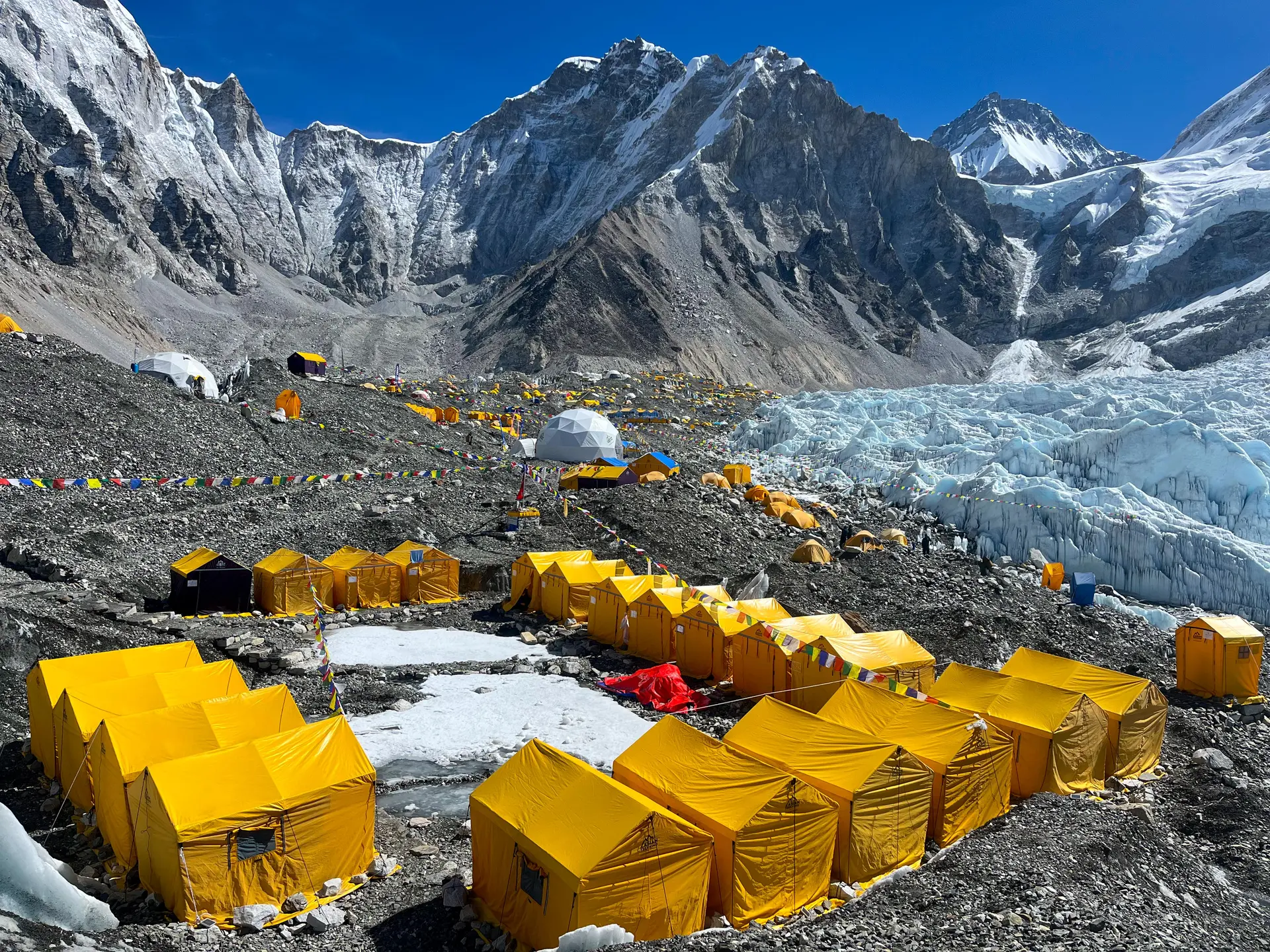
Follow the legendary trail to 5,364 meters where mountaineering expeditions launch their summit attempts on Earth's highest peak. The 12-14 day journey passes through traditional Sherpa villages, ancient monasteries, and increasingly dramatic mountain scenery as you ascend through rhododendron forests into alpine zones. Watch climbers prepare at base camp during spring and autumn seasons while the Khumbu Icefall looms overhead. The route traces the footsteps of Edmund Hillary and Tenzing Norgay who made the first successful summit in 1953. Proper acclimatization through gradual ascent and rest days prevents altitude sickness while maximizing your high-altitude experience.
Pro tip: Book teahouse accommodation in advance during peak October-November season as popular stops like Namche, Tengboche, and Gorak Shep fill quickly--alternatively trek in early December for similar weather with significantly fewer crowds.
Must-See
Namche Bazaar and Sherpa Culture
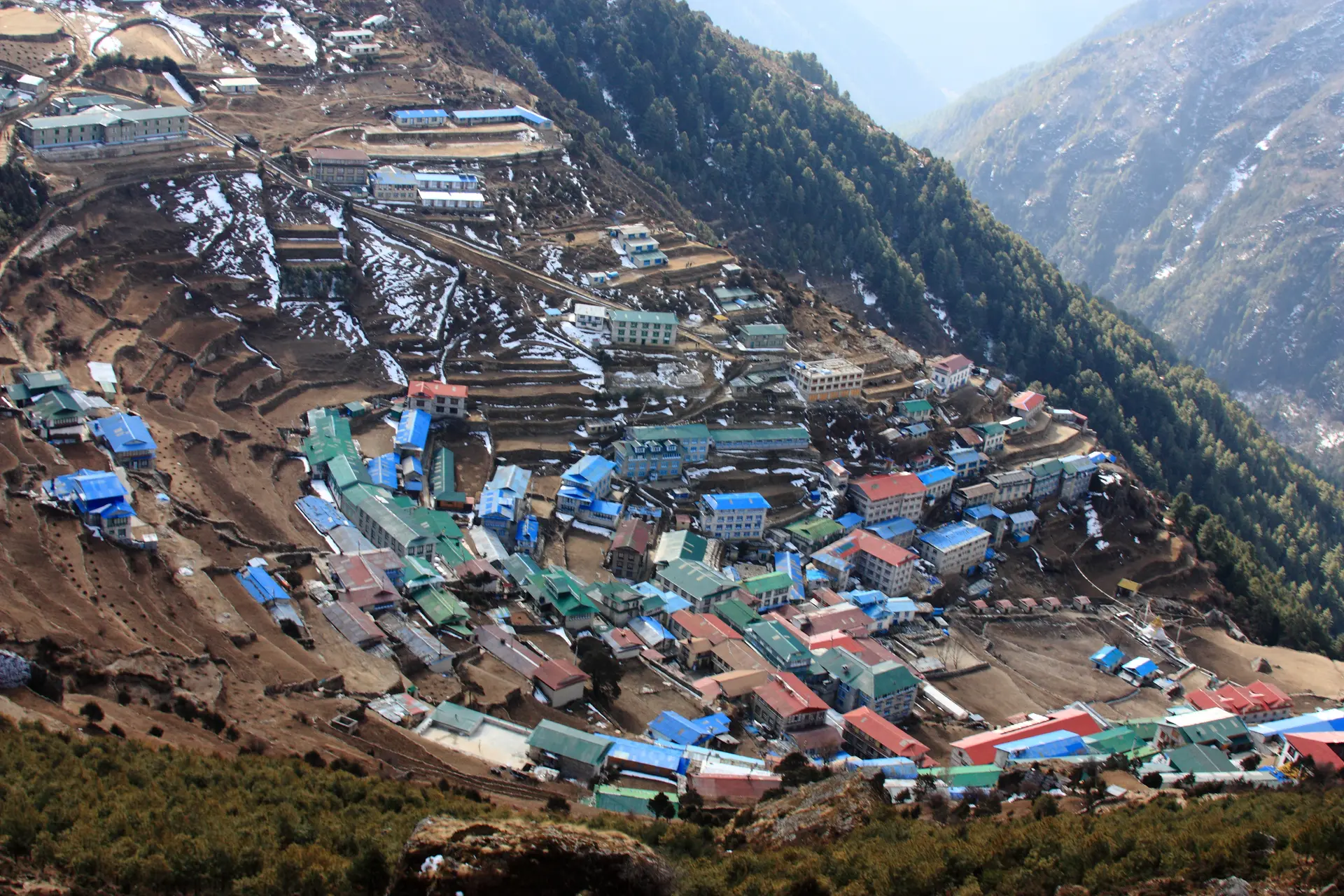
Discover the vibrant heart of Sherpa culture in this terraced amphitheater village at 3,440 meters serving as the gateway to Mount Everest. The weekly Saturday market draws traders from surrounding valleys and Tibet, offering traditional goods alongside modern trekking supplies. Visit the Sherpa Culture Museum to understand the history of this remarkable mountain community and their role in Himalayan mountaineering since the 1920s. Prayer flags flutter above traditional stone houses while monasteries host morning ceremonies. The village's horseshoe shape provides natural shelter and spectacular views of Kongde Ri and the valley below. Two acclimatization days allow exploration of nearby viewpoints.
Pro tip: Climb to the Everest View Hotel (3,880 meters) above Namche during your acclimatization day for unobstructed sunrise views of Everest, Lhotse, and Ama Dablam--arrive by 6:00 before clouds develop and enjoy tea on the world's highest located hotel terrace.
Must-See
Tengboche Monastery and Mountain Views
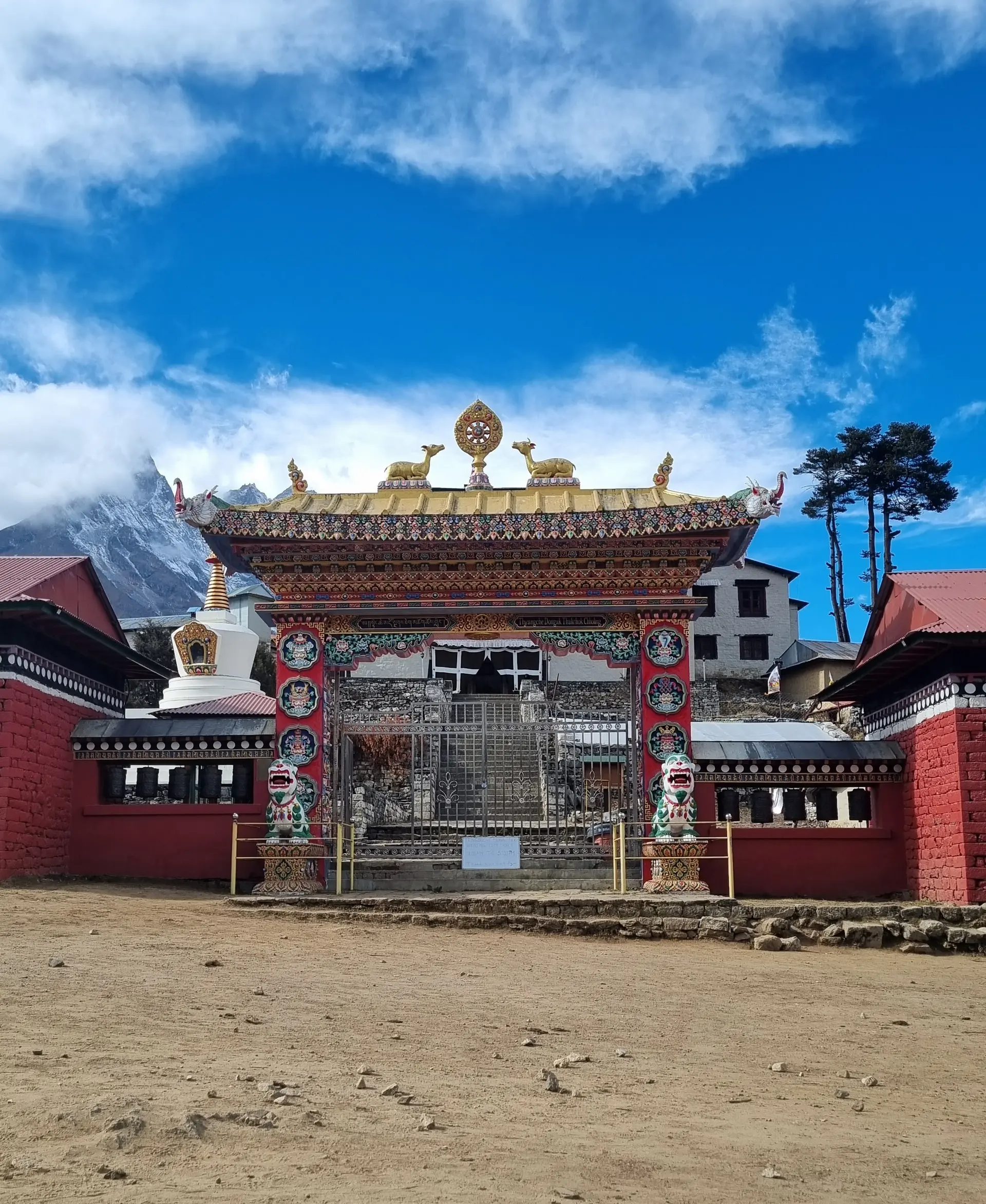
Experience the spiritual heart of the Khumbu region at this Buddhist monastery perched at 3,867 meters with the world's most spectacular mountain backdrop. Founded in 1916, Tengboche serves as the mother monastery for the region's smaller religious institutions. The annual Mani Rimdu festival in November features masked dances and ceremonies attracting Sherpas from throughout the region. Morning and afternoon prayer ceremonies welcome respectful visitors inside the ornate main hall. The monastery's location provides iconic views of Everest, Nuptse, Lhotse, and the striking pyramid of Ama Dablam rising directly across the valley. Rhododendron forests surrounding the monastery burst with color during spring blooms.
Pro tip: Attend the 15:00 prayer ceremony when monks gather for chanting and butter tea--sit quietly near the entrance and experience authentic Buddhist practice while afternoon light illuminates the surrounding peaks through monastery windows.
Recommended
Gokyo Lakes and Cho Oyu Views
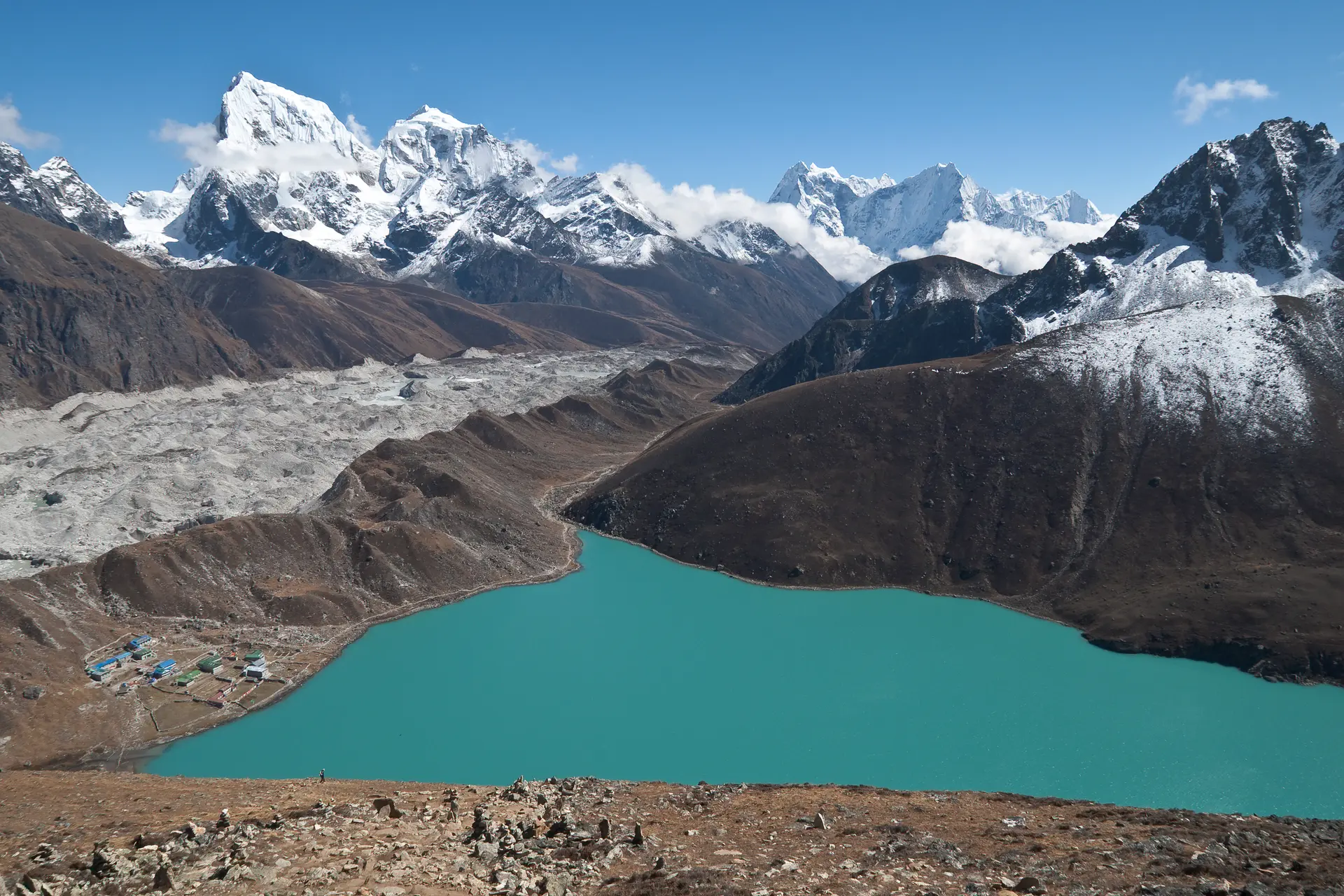
Trek to this chain of six sacred turquoise glacial lakes designated as a Ramsar wetland site, offering a quieter alternative to the main Everest Base Camp route. The emerald and turquoise waters reflect surrounding peaks including Cho Oyu (8,188 meters), the world's sixth-highest mountain. Climb Gokyo Ri (5,357 meters) before dawn for sunrise views across four 8,000-meter peaks: Everest, Lhotse, Makalu, and Cho Oyu. The third lake (Dudh Pokhari) stretches nearly two kilometers and holds religious significance for Hindu and Buddhist pilgrims. The Ngozumpa Glacier, Nepal's longest, flows past the lakes creating otherworldly moraines. This route offers exceptional mountain photography with fewer trekkers.
Pro tip: Combine the Gokyo and Everest Base Camp routes via the Cho La pass (5,420 meters) for the ultimate three-week Himalayan adventure--hire a qualified guide for the technical glacier crossing and attempt the pass only in stable weather conditions.
Recommended
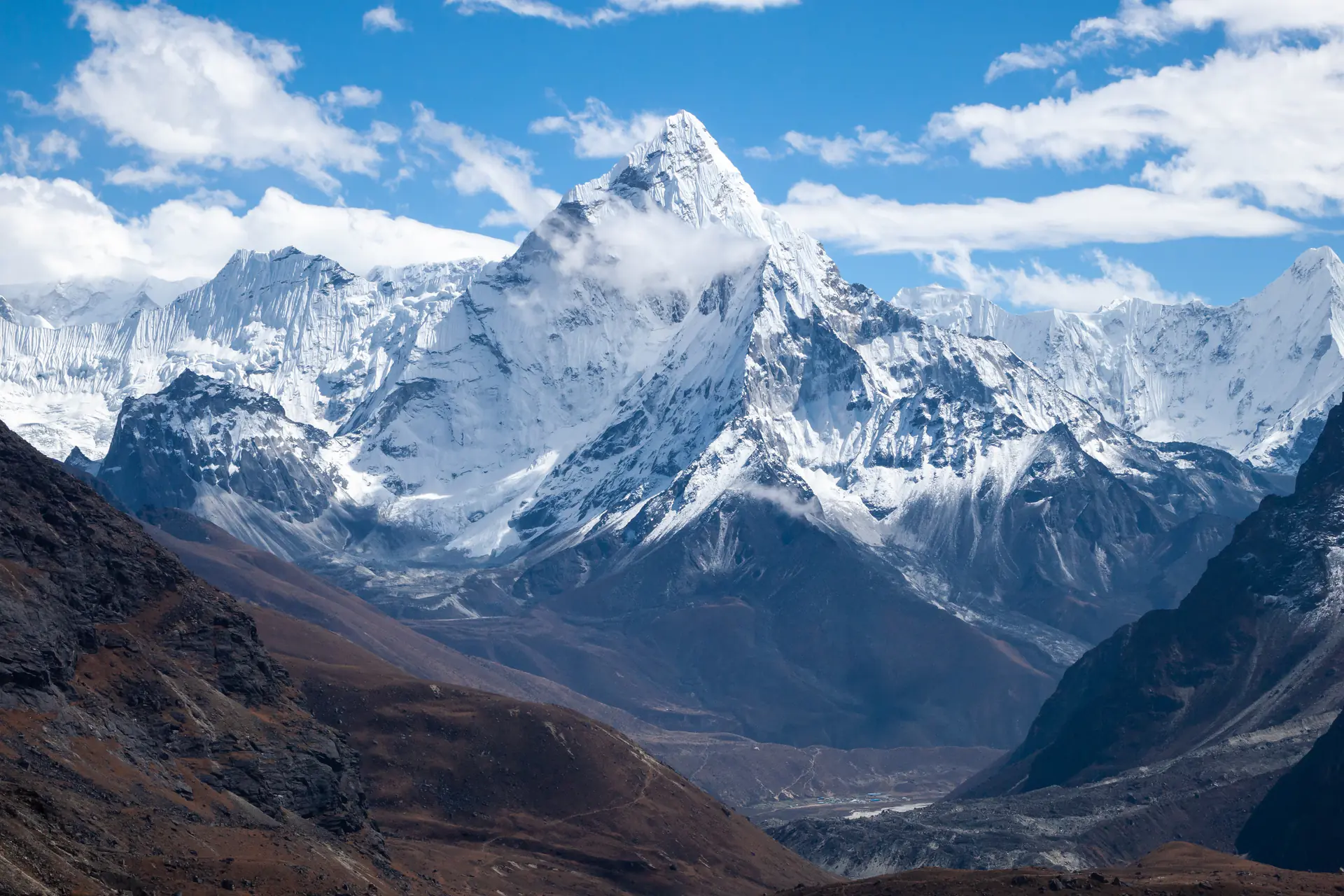
Ama Dablam and High Himalayan Peaks
Marvel at the distinctive 6,812-meter peak that many consider the world's most beautiful mountain, its ridges resembling a mother's arms protecting a sacred amulet (dablam). Ama Dablam dominates views throughout the Everest region, its symmetrical pyramid rising above the trail between Namche and Tengboche. Technical climbers attempt the challenging routes each autumn and spring. Beyond Ama Dablam, the park contains seven peaks exceeding 7,000 meters including Nuptse's dramatic south face and the massive bulk of Lhotse. The Khumbu Icefall below Everest's Western Cwm presents one of mountaineering's most dangerous obstacles with constantly shifting seracs and crevasses. These extreme landscapes create unmatched opportunities for mountain photography and understanding Himalayan geology.
Pro tip: Photograph Ama Dablam from the viewpoint above Kyangjuma village (3,550 meters) during morning golden hour--the peak catches first light while valleys remain in shadow, creating dramatic contrast impossible to capture later in the day.
Historical Context
Sherpa Settlement (16th century onwards)
Sherpa people migrated from eastern Tibet across Himalayan passes, establishing permanent settlements in the Khumbu valley. They developed unique Buddhist traditions, agricultural practices adapted to high altitude, and trade networks connecting Tibet with lowland Nepal.
First Mountaineering Era (1920s-1953)
British expeditions launched reconnaissance and climbing attempts on Everest through Tibet. Sherpas became essential mountaineering partners. Edmund Hillary and Tenzing Norgay achieved the first confirmed summit on May 29, 1953, transforming global awareness of the region.
National Park Establishment (1976)
Nepal established Sagarmatha National Park to protect 124,400 hectares of high Himalayan wilderness encompassing Mount Everest and surrounding peaks. The park boundaries included traditional Sherpa lands, requiring careful integration of conservation objectives with community needs, cultural preservation, and sustainable development goals.
World Heritage Inscription (1979)
UNESCO inscribed Sagarmatha National Park as Nepal's first natural World Heritage site, recognizing its exceptional natural beauty, geological significance, and dramatic mountain landscapes dominated by Earth's highest peak. International attention brought increased tourism, conservation resources, and global scientific interest in Himalayan ecosystems.
Sustainable Tourism Development (1990s-present)
Community-based tourism initiatives empower local Sherpas while managing environmental impacts. Buffer zone establishment in 2002 and Ramsar wetland designation for Gokyo Lakes in 2007 enhanced protection. Annual visitor numbers exceed 50,000 trekkers.
Conservation
Current Status
Active management by Nepal's Department of National Parks and Wildlife Conservation addresses tourism impacts, waste management, and ecosystem protection while supporting Sherpa community development and traditional land use rights.
Challenges
- Accumulated waste from decades of mountaineering expeditions and trekking tourism requires ongoing cleanup efforts on mountain slopes
- Climate change accelerates glacial retreat threatening water resources, increasing glacial lake outburst flood risks
- Deforestation pressure from firewood collection and lodge construction depletes slow-growing alpine forests essential for slope stability and wildlife habitat
- Increasing visitor numbers strain limited infrastructure and sanitation systems in fragile alpine environment
Conservation Efforts
- Sagarmatha Pollution Control Committee coordinates waste management requiring expeditions to remove garbage and human waste
- Alternative energy initiatives promote kerosene, solar, and hydroelectric power reducing firewood demand
- Reforestation programs plant native species while nurseries cultivate seedlings for community distribution
- Community lodge standards improve sanitation facilities while trekking quotas manage overcrowding at peak seasons
Frequently Asked Questions
Park entry permits cost NPR 3,000 ($23 USD) for all foreign visitors. Additional fees include TIMS card ($20 USD) and Khumbu municipality levy (NPR 2,000/$15 USD). Permits are purchased at the park entrance in Monjo or through registered trekking agencies in Kathmandu.
Guides are not legally required but strongly recommended for first-time Himalayan trekkers. Licensed guides cost $25-35 USD daily and provide essential navigation, altitude sickness monitoring, cultural interpretation, and emergency response capabilities on remote mountain trails.
October-November (autumn) offers the clearest skies and most stable weather. March-May (spring) provides warmer temperatures and rhododendron blooms. December-February brings extreme cold but fewer crowds. Avoid monsoon season June-September when trails are wet and views obscured.
Standard itineraries take 12-14 days round trip from Lukla including essential acclimatization days. Allow 16-18 days including Kathmandu travel and weather buffer. Rushing increases altitude sickness risk. The Three Passes route combining Gokyo requires 18-21 days.
Acute mountain sickness affects many trekkers above 3,500 meters causing headache, nausea, and fatigue. Prevention requires gradual ascent with acclimatization days, proper hydration, and avoiding alcohol. Descend immediately if symptoms worsen. Diamox medication helps some trekkers.
Yes. Helicopter tours from Lukla fly directly to Kala Patthar viewpoint for spectacular Everest views in hours rather than weeks. Mountain flights from Kathmandu pass near Everest's summit. Shorter treks to Namche Bazaar or Tengboche also offer Everest views.
Sagarmatha protects Mount Everest (8,848 meters), Earth's highest peak, along with spectacular Himalayan landscapes, rare wildlife including snow leopards, and traditional Sherpa Buddhist culture. It was Nepal's first natural UNESCO World Heritage site, inscribed in 1979.
The park protects rare species including snow leopards, Himalayan black bears, red pandas, musk deer, and Himalayan tahr. Over 150 bird species include the colorful Impeyan pheasant (danphe), Nepal's national bird. Wildlife sightings are uncommon as animals avoid busy trails.
Sagarmatha is the Nepali name for Mount Everest, meaning "Goddess of the Sky." Sagarmatha National Park encompasses Everest's southern slopes and the Khumbu region. The mountain is called Chomolungma in Tibetan and Qomolangma in Chinese.
Good cardiovascular fitness is essential as you'll walk 6-8 hours daily on steep, uneven terrain at altitude. Train with hiking, stair climbing, and cardio exercises for several months before departure. Many moderately fit trekkers complete the route with proper pacing and acclimatization.
UNESCO World Heritage Criteria
Inscribed in 1979, this site meets 1 of UNESCO's 10 criteria for Outstanding Universal Value
VII
Criterion (vii): Contains superlative natural phenomena
Sagarmatha National Park contains superlative natural phenomena and areas of exceptional natural beauty, with dramatic mountains, glaciers, and deep valleys dominated by Mount Everest, the highest peak on Earth. The landscape's extraordinary aesthetic importance has inspired humanity for generations and represents geological forces of exceptional magnitude.
Image & Content Attribution
Research & Content Sources
Photography & Visual Media
Nirojsedhai, CC BY-SA 4.0
Nepal Trek Adventures, CC BY-SA 4.0
strudelt, CC BY 2.0
Billjones94, CC0
Vyacheslav Argenberg, CC BY 4.0
Vyacheslav Argenberg, CC BY 4.0
Last updated: 24 December 2025