
Sri Lanka • UNESCO World Heritage Site
Sigiriya: Lion Rock Fortress & Ancient Sky Palace
Fifth-Century Royal Citadel Rising Above Sri Lanka's Jungle
Inscribed: 1982
Category: Cultural
ID: #202
What Is Ancient City of Sigiriya and Why Visit?
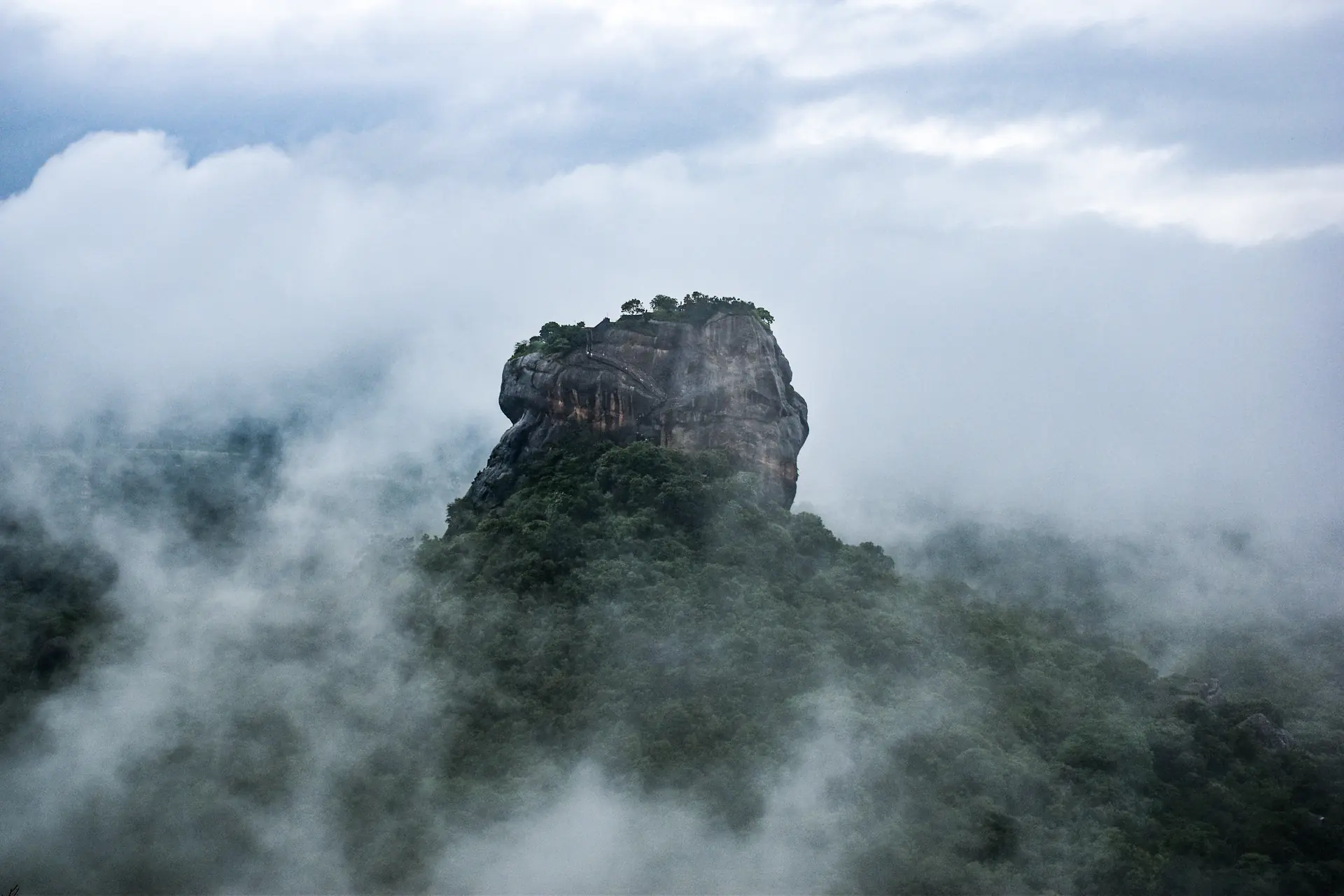
King Kashyapa I built Sigiriya between 477-495 CE as an impregnable fortress-palace after murdering his father King Dhatusena and seizing power, fearing revenge from his half-brother Moggallana. This dramatic 200-meter volcanic rock monolith became home to elaborate palace complexes, water gardens, and defensive fortifications demonstrating exceptional urban planning and architectural vision. The fortress features remarkable artistic achievements including the world-renowned Sigiriya Frescoes depicting celestial maidens, the Mirror Wall covered in ancient graffiti poetry, and advanced hydraulic systems still functioning after 1,500 years. Following Kashyapa's defeat and suicide in 495 CE, Buddhist monks transformed the abandoned palace into monastery until the 14th century, preserving this UNESCO World Heritage Site representing the pinnacle of ancient Sri Lankan civilization and rock-cut architecture.
Why It Matters
Sigiriya represents exceptional testimony to ancient South Asian civilization through its unique combination of urban planning, water management, landscape architecture, and artistic achievement. The site demonstrates outstanding universal value as a masterpiece integrating architecture with natural environment, influencing regional design traditions for centuries while preserving irreplaceable artistic heritage.
How to Visit Ancient City of Sigiriya
Essential information for visiting this destination
How to Get to Ancient City of Sigiriya
Bandaranaike International Airport (CMB) in Colombo serves as Sri Lanka's primary gateway, with connections to major Asian, Middle Eastern, and European cities. From Colombo, Sigiriya lies 160 kilometers northeast requiring 3-4 hours by road through Dambulla. Private car hire with driver costs LKR 8,000-12,000 ($25-38 USD) for day trip, while public buses operate regularly from Colombo Bastian Mawatha Bus Terminal to Dambulla (LKR 250-350/$0.80-1.10 USD) with local connections to Sigiriya village.
The Cultural Triangle region combines Sigiriya with Polonnaruwa, Anuradhapura, and Dambulla Cave Temple, making multi-day tours the most efficient approach. Organized tours from Colombo including transportation, guide, and entry fees cost LKR 15,000-25,000 ($47-79 USD) per person.
Within Sigiriya village, hotels provide tuk-tuk transport to the archaeological site entrance (5-10 minute ride).
Best Hotels Near Ancient City of Sigiriya
Sigiriya village offers extensive accommodation options from luxury resorts to budget guesthouses, with most properties positioned to provide dramatic views of the Rock. Heritance Kandalama and Jetwing Vil Uyana deliver luxury experiences with architecture integrating natural surroundings, while mid-range hotels along the main road provide comfortable bases with pools and restaurants at better value.
Budget guesthouses in Sigiriya village deliver authentic local hospitality with home-cooked meals and personal service, though facilities remain basic. Many family-run guesthouses offer exceptional value at LKR 3,000-5,000 ($9-15 USD) per night including breakfast.
Book months ahead for December-April peak season when properties fill quickly with international visitors exploring the Cultural Triangle. May-October monsoon season sees fewer crowds and significant discounts, though afternoon rains are common.
Where to Eat Near Ancient City of Sigiriya
Traditional Sri Lankan cuisine dominates local restaurants, with rice and curry forming the foundation--typically featuring multiple vegetable and lentil curries, coconut sambol, and fiery spice combinations. Sigiriya village restaurants serve authentic kottu roti (chopped flatbread stir-fried with vegetables), hoppers (bowl-shaped rice flour pancakes), and fresh tropical fruits including mango, papaya, and wood apple.
Most hotels offer buffet meals showcasing regional specialties alongside international options for less adventurous palates. Local family restaurants deliver the most authentic experiences at better value--expect to pay LKR 800-1,500 ($2.50-4.75 USD) for substantial rice and curry meals.
Fresh king coconuts sold by roadside vendors provide natural electrolyte replacement after climbing Sigiriya, costing LKR 100-150 ($0.30-0.47 USD). Sri Lankan tea, grown in the nearby highlands, accompanies every meal in this tea-loving culture.
Ancient City of Sigiriya Entry Fees & Tour Prices
Sigiriya entry costs LKR 4,650 ($15 USD) for foreign adults with SAARC resident rates significantly lower. The ticket includes access to all site areas including summit, frescoes, and Water Gardens. Licensed guides cost LKR 2,500-4,000 ($8-12 USD) for comprehensive 2-3 hour tours providing essential historical context and architectural insights.
Dambulla Cave Temple, a UNESCO World Heritage Site 20 kilometers south, costs LKR 2,000 ($6 USD) entry and features five cave shrines with ancient Buddhist murals and statues. Polonnaruwa ancient city, 70 kilometers east, costs LKR 3,750 ($12 USD) and showcases medieval capital ruins including gal vihara rock temples.
Minneriya National Park, 25 kilometers from Sigiriya, offers afternoon elephant safaris (LKR 6,500-8,000/$20-25 USD) where herds gather at the reservoir during dry season July-September. Village tours with cooking classes cost LKR 3,000-4,500 ($9-14 USD) providing insights into rural Sri Lankan life.
What to Bring to Ancient City of Sigiriya
Comprehensive travel insurance covering medical emergencies is essential given Sri Lanka's developing healthcare infrastructure outside Colombo. International eSIM cards provide convenient data packages activated before arrival, enabling immediate connectivity for navigation and bookings throughout the Cultural Triangle. Local SIM cards from Dialog or Mobitel are available at Colombo airport and Dambulla town, offering competitive packages with good coverage in tourist areas.
Sri Lanka experiences tropical monsoon climate with southwestern monsoon May-September and northeastern monsoon October-January. December-April offers the driest conditions for the Cultural Triangle region with comfortable temperatures, though daily highs reach 30-35°C. Sri Lanka uses Type D, G, and M electrical outlets (230V). Pack high-SPF sunscreen, insect repellent, lightweight breathable clothing, and modest dress for temple visits requiring covered shoulders and knees.
Loading map...
Visitor Information
Everything you need to know for your visit
What to Bring
Sturdy walking shoes with good grip essential for steep metal staircases and 1,200 steps. Wide-brimmed hat and high-SPF sunscreen critical for intense tropical sun exposure with minimal shade. Bring minimum 2 liters water per person as dehydration risk severe during climb. Pack light breathable clothing and small towel for perspiration.
Accessibility
Extremely limited wheelchair access due to steep staircases and 1,200 steps to summit. First-level Water Gardens accessible with assistance. No elevators or alternative routes available for mobility-impaired visitors. Summit climb requires good physical fitness and agility navigating narrow metal staircases attached to rock face.
Safety Tips
Tropical temperatures reach 35°C with high humidity year-round. Start climb early morning to avoid dangerous midday heat exposure. Metal staircases become slippery during rain - extreme caution required. Steep drops and exposed heights not suitable for those with vertigo. Bring adequate water and rest frequently. Hornets occasionally nest on rock face - follow guide warnings.
Architectural Marvels of the Ancient Fortress
Must-See
Sigiriya Frescoes - Heavenly Maidens
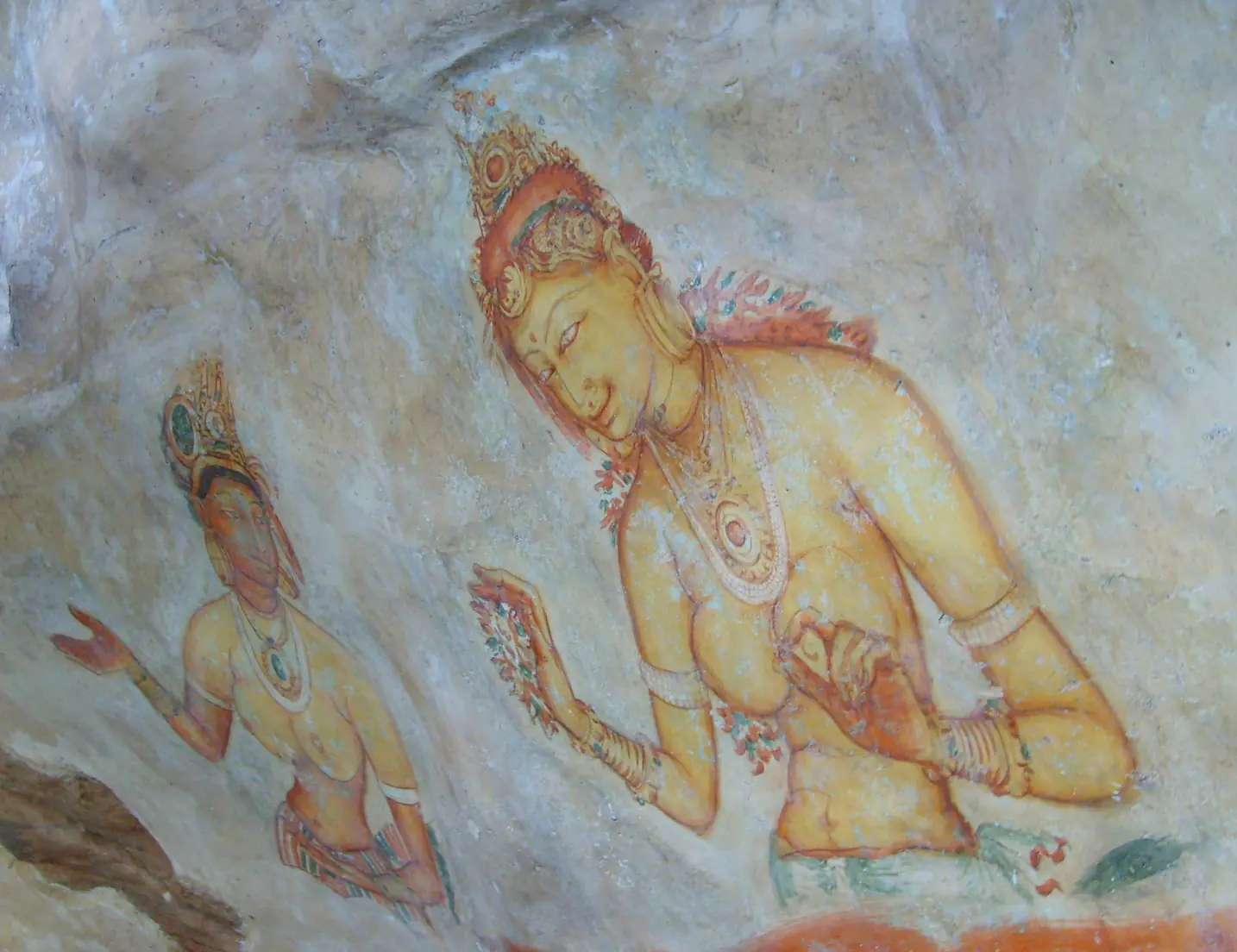
The world-famous frescoes painted on sheltered rock pockets halfway up Sigiriya Rock depict celestial maidens (apsaras) or possibly royal consorts, representing the finest surviving examples of ancient Sri Lankan painting. Originally over 500 figures adorned the rock face, though only 21 frescoes survive today, protected in a pocket 100 meters above ground. These 5th-century masterpieces showcase sophisticated artistic techniques including vibrant mineral pigments, graceful flowing lines, and three-dimensional modeling that influenced South Asian painting traditions for centuries. The frescoes reveal courtly aesthetics and cultural values from Kashyapa's reign.
Pro tip: Visit the frescoes during early morning (6-8am) when soft angled light illuminates the pocket gallery without harsh glare, revealing subtle color gradations impossible to see during midday--photographers should avoid flash as it damages the ancient pigments.
Must-See
Lion's Paws Gateway
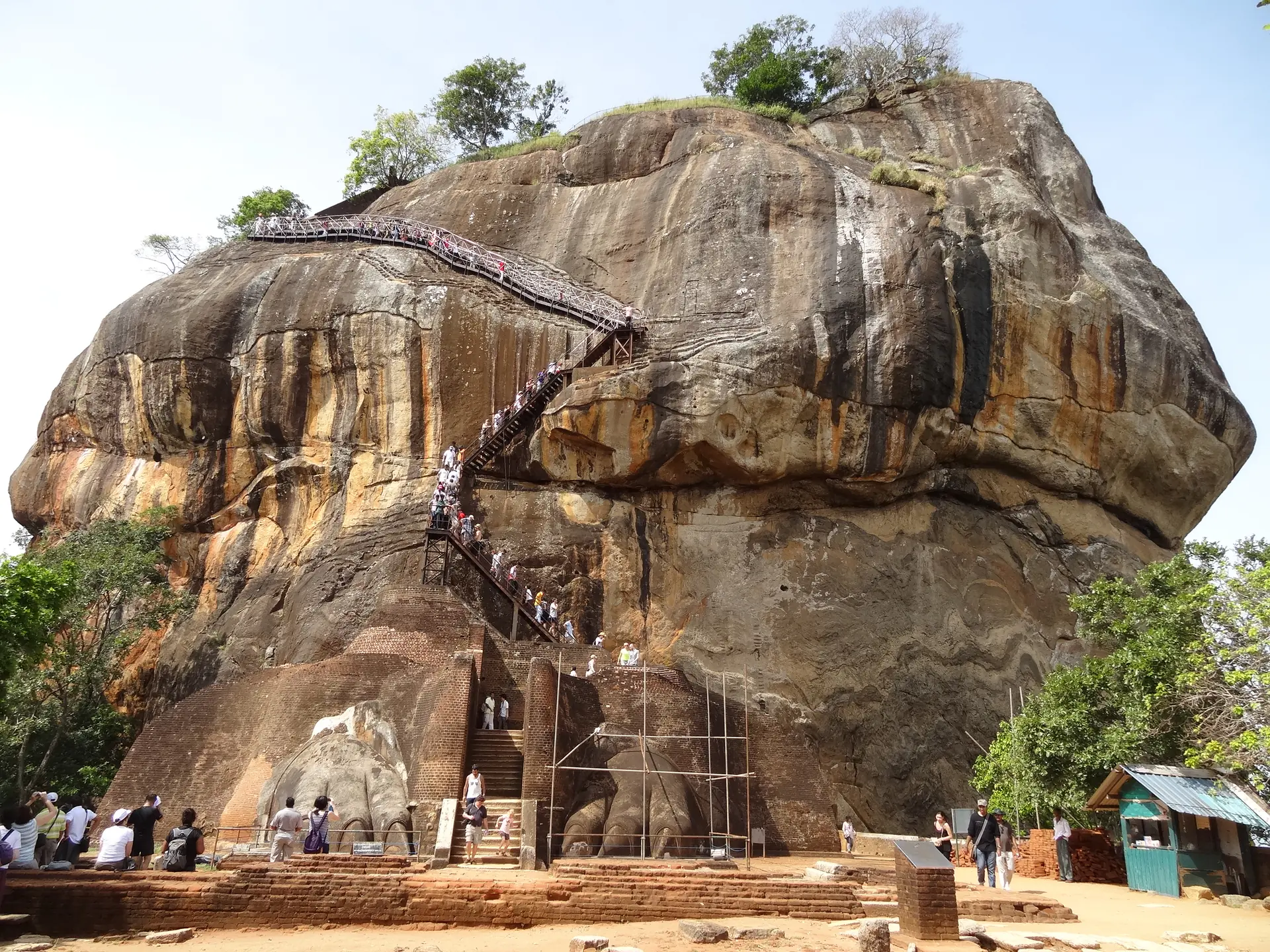
The monumental carved lion paws mark the dramatic entrance to Sigiriya's final ascent, providing tangible evidence of the fortress's original grandeur. Historical accounts describe a massive brick and plaster lion structure standing several stories tall, with visitors entering the palace through the lion's open mouth--a powerful symbol of royal authority. Only the enormous paws remain today, carved from living rock and measuring over 2 meters in length. These remnants hint at the extraordinary scale of Kashyapa's architectural vision while creating one of archaeology's most iconic images.
Pro tip: Pause at the Lion's Paws platform before the final steep ascent to catch your breath, hydrate, and photograph the massive paws with the summit stairs behind--this creates the classic Sigiriya composition showing the fortress's dramatic vertical scale while giving your legs crucial rest.
Must-See
Ancient Water Gardens and Hydraulic Systems
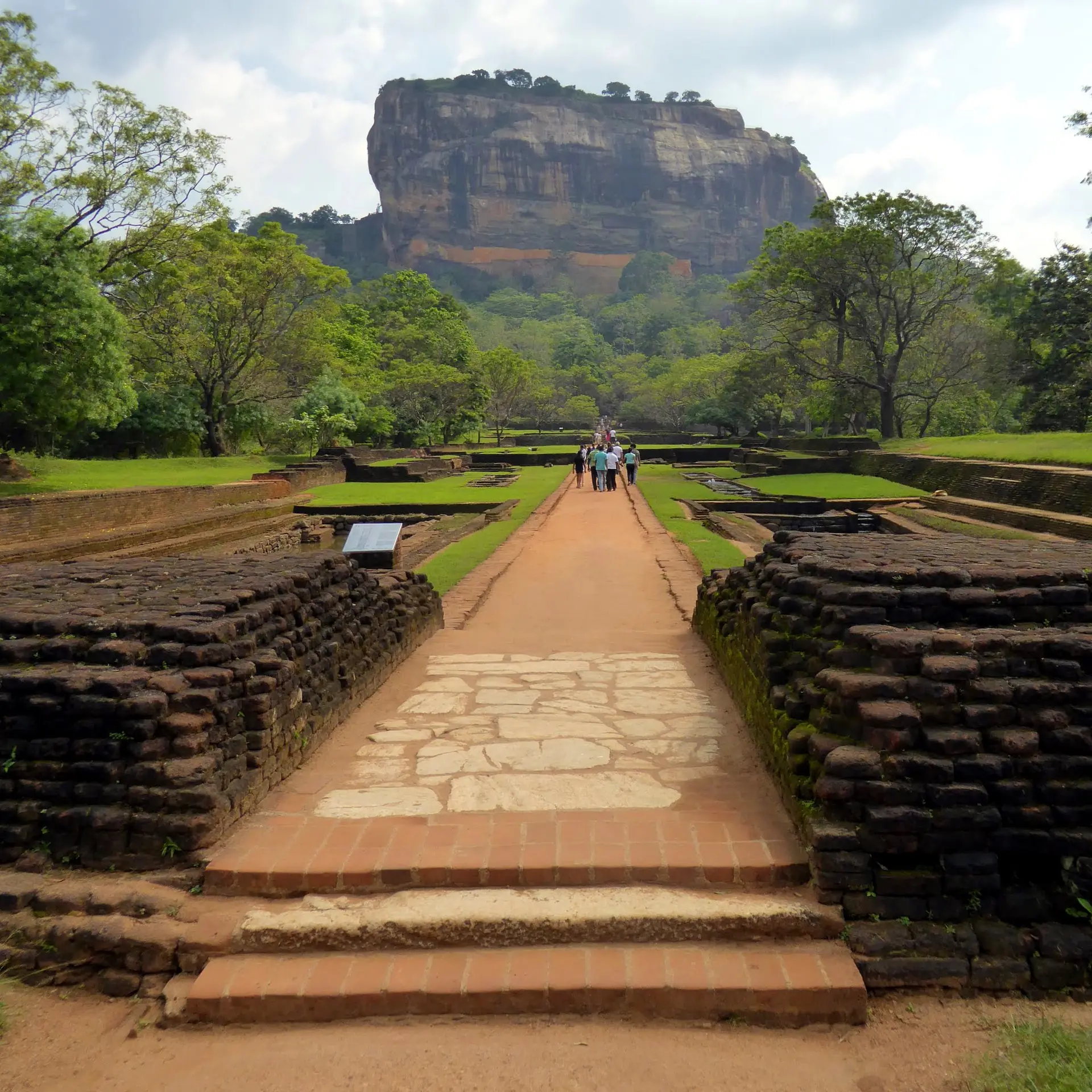
The sophisticated water gardens at Sigiriya's base represent one of the oldest surviving landscaped gardens in the world, demonstrating 5th-century hydraulic engineering that rivals contemporary Roman achievements. The symmetrical design features geometric pools, fountains, underground conduits, and water channels that still function during monsoon rains, pressurizing ancient fountain systems without modern pumps. This masterpiece integrates aesthetics with function--providing defensive moats, cooling effects, and symbolic representation of paradise gardens described in Buddhist cosmology. The engineering precision includes accurate measurement systems and construction techniques that influenced Asian garden design for centuries.
Pro tip: Walk through the Water Gardens immediately after opening (6am) to experience the site in peaceful solitude before tour groups arrive, then return after descending from the summit around 10am when monsoon-fed fountains may be operating--the ancient pressure systems still work perfectly.

Recommended
Mirror Wall and Ancient Graffiti
The Mirror Wall, originally polished so smooth that the king could see his reflection, now preserves over 1,500 examples of ancient graffiti inscribed by visitors between the 6th and 14th centuries. These writings represent invaluable linguistic and literary evidence, featuring poetry and reactions to the frescoes composed in classical Sinhala. The graffiti provides insights into medieval Sri Lankan society, aesthetic values, and the enduring impact of Sigiriya's artistic achievements on subsequent generations. Many inscriptions praise the celestial maidens depicted in the frescoes, revealing continuity of artistic appreciation across centuries.
Pro tip: Spend 10-15 minutes carefully reading the translated graffiti samples posted along the Mirror Wall--these ancient visitor reviews reveal how people 1,000 years ago reacted to the same frescoes you just saw, creating a profound connection across time.
Recommended
Summit Palace Ruins and Panoramic Views
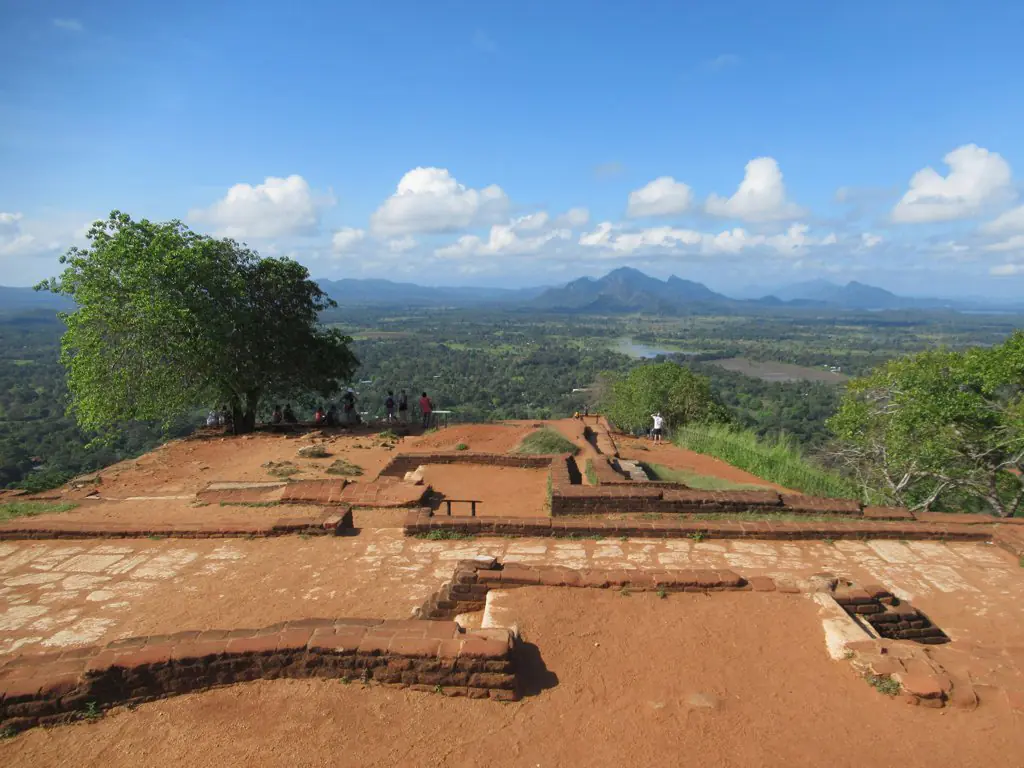
The summit palace ruins reveal Kashyapa's extraordinary architectural achievement in transforming a sheer rock pinnacle into royal residence and impregnable fortress. The 1.6-hectare summit features carved cisterns holding monsoon rainwater, throne platforms, building foundations, and defensive walls commanding 360-degree views across Sri Lanka's central plains. Archaeological evidence indicates sophisticated palace buildings and water features once crowned this dramatic perch, creating luxurious living quarters 200 meters above potential attackers. The panoramic vistas extend for kilometers across jungle canopy, revealing why Kashyapa selected this seemingly impossible location--combining defensive advantages with symbolic representation of divine kingship.
Pro tip: After exploring the summit ruins, sit quietly on the northern throne platform for 10 minutes before descending--watching the landscape emerge from morning mist while feeling the cooling breeze helps you understand why Kashyapa chose this extraordinary location.
Historical Context
Royal Fortress Era (477-495 CE)
King Kashyapa I built Sigiriya as impregnable fortress-palace after seizing power through patricide. The 18-year reign saw construction of elaborate palace complexes, water gardens, and defensive fortifications demonstrating exceptional architectural ambition. Kashyapa's defeat and suicide in 495 CE ended this dramatic chapter of royal power.
Buddhist Monastery Period (6th-14th centuries)
Following Kashyapa's death, Buddhist monks transformed the abandoned palace into monastery complex. This 800-year period saw religious adaptation of royal structures, with monks inscribing graffiti on the Mirror Wall and maintaining the site as pilgrimage destination. Cave dwellings and meditation platforms reflect the monastic transformation.
Abandonment (14th-19th centuries)
Sigiriya gradually fell into obscurity after the 14th century as political power shifted to other regions. The fortress became overgrown by jungle while local populations preserved oral traditions about the ancient king and celestial maidens. European explorers began documenting the site in the 19th century.
Archaeological Rediscovery (1831-1982)
British colonial officer Jonathan Forbes brought Sigiriya to international attention in 1831. Systematic archaeological excavation began in the 1890s under H.C.P. Bell, revealing the extent of Kashyapa's architectural achievements. UNESCO designated Sigiriya a World Heritage Site in 1982, recognizing its outstanding universal value.
Conservation Era (1982-present)
UNESCO World Heritage designation initiated comprehensive conservation efforts protecting frescoes, stabilizing structures, and managing tourism impacts. The Central Cultural Fund oversees preservation while developing sustainable tourism infrastructure. Ongoing archaeological research continues revealing new insights into ancient Sri Lankan civilization and Sigiriya's construction techniques.
Conservation
Current Status
Comprehensive conservation programs coordinated by the Central Cultural Fund protect Sigiriya through structural stabilization, fresco preservation, visitor management systems, and ongoing archaeological research ensuring long-term heritage survival.
Challenges
- Tropical monsoon conditions causing erosion of exposed rock surfaces, destabilizing ancient structures and accelerating deterioration of frescoes despite protective galleries
- Mass tourism exceeding sustainable carrying capacity with over 500,000 annual visitors creating physical wear on ancient staircases and generating conservation funding while threatening site integrity
- Biological threats including vegetation growth destabilizing structures, insect damage to frescoes, and hornet nesting requiring careful wildlife management balancing ecological preservation
- Climate change intensifying monsoon patterns and temperature extremes affecting structural stability, water garden systems, and microclimate conditions protecting vulnerable artistic heritage
- Limited conservation resources requiring prioritization between competing preservation needs while maintaining public access and generating sustainable tourism revenue for site management
Conservation Efforts
- Digital documentation using photogrammetry and 3D scanning creates detailed records of frescoes, structures, and decorative elements enabling monitoring of deterioration and informing conservation interventions
- Microclimate control systems in fresco galleries regulate temperature and humidity while filtering pollutants, protecting irreplaceable artistic heritage from environmental damage and tourist impacts
- Engineered visitor pathways route tourist traffic through reinforced routes minimizing contact with fragile surfaces while maintaining spectacular viewing experiences and summit access
- International partnerships through UNESCO and cultural institutions bring specialized expertise in rock art conservation, structural engineering, and heritage management best practices
- Community engagement programs employ local populations as guides, guards, and maintenance staff, ensuring economic benefits while building cultural pride and stewardship of ancestral heritage
Frequently Asked Questions
Absolutely - Sigiriya ranks among Asia's most spectacular ancient sites with its dramatic 200-meter rock fortress, world-famous frescoes, and advanced water gardens. The combination of architectural achievement, artistic heritage, and panoramic summit views creates unforgettable experiences. Best visited December-April during dry season with early morning climbs.
Sigiriya entry costs LKR 4,650 ($15 USD) for foreign adults. Add LKR 2,500-4,000 ($8-12 USD) for licensed guide, LKR 3,000-5,000 ($9-15 USD) for guesthouse accommodation, and LKR 1,500-3,000 ($5-9 USD) daily for meals. Budget LKR 12,000-18,000 ($38-57 USD) total including transportation from Dambulla.
Tickets available at entrance without advance booking for most of the year. However, December-April peak season may see queues during 8-10am prime visiting hours. Book accommodation 1-2 months ahead for peak season. Multi-site Cultural Triangle passes offer better value for visiting Sigiriya, Polonnaruwa, and Dambulla together.
December through April offers ideal dry weather with minimal rain and comfortable temperatures. Visit opening time (6am) to climb during coolest hours, avoid crowds, and photograph in magical morning light. Mid-morning (9-11am) sees heavy tour group traffic making the narrow staircases congested and uncomfortably hot.
Plan 3-4 hours total for comprehensive exploration. The summit climb requires 45-60 minutes ascending 1,200 steps through Water Gardens, Boulder Gardens, frescoes, Mirror Wall, and Lion's Paws to reach the top. Allow 45 minutes exploring summit ruins before 30-45 minute descent. Start early morning to avoid dangerous midday heat.
Moderate to challenging depending on fitness level and heat tolerance. The 1,200 steps include steep metal staircases attached to rock face with exposed heights. Good fitness required. Not suitable for young children, mobility-impaired visitors, or those with vertigo. Bring adequate water and rest frequently in shaded areas.
Comfortable athletic shoes with good grip essential for steep steps. Lightweight breathable clothing, wide-brimmed hat, and high-SPF sunscreen critical for tropical heat exposure. Bring minimum 2 liters water per person. Modest dress recommended respecting local customs though no specific religious requirements for Sigiriya archaeological site.
Possible but challenging. Children must be comfortable with heights and capable of climbing 1,200 steep steps including narrow metal staircases with significant exposure. Not recommended for children under 8 years. Teenagers with good fitness handle the climb well. Start very early to avoid dangerous midday heat exposure.
Sigiriya is a 5th-century fortress-palace built atop a 200-meter volcanic rock by King Kashyapa I. Famous for dramatic Lion's Paws gateway, world-renowned frescoes depicting celestial maidens, Mirror Wall ancient graffiti, and sophisticated water gardens representing one of the world's oldest landscaped gardens still functioning after 1,500 years.
King Kashyapa I built Sigiriya between 477-495 CE after murdering his father and seizing the throne. He constructed this impregnable fortress-palace fearing revenge from his half-brother. After Kashyapa's defeat and suicide in 495 CE, Buddhist monks converted the abandoned palace into monastery lasting until the 14th century.
The Lion's Paws gateway created a monumental entrance where visitors walked through a massive lion's mouth to reach the summit palace. The lion symbolized royal authority and divine protection. Only the enormous carved paws survive today, though they hint at the extraordinary scale of Kashyapa's architectural vision.
UNESCO World Heritage Criteria
Inscribed in 1982, this site meets 3 of UNESCO's 10 criteria for Outstanding Universal Value
II
Criterion (ii): Interchange of human values
Sigiriya exhibits important interchange of human values through its unique integration of urban planning, landscape architecture, and water engineering. The site demonstrates fusion of South Asian architectural traditions with innovative design solutions, influencing regional development of rock fortresses and garden design principles that spread throughout medieval Sri Lanka and beyond.
III
Criterion (iii): Testimony to cultural tradition
The site provides exceptional testimony to the civilization of King Kashyapa I and subsequent Buddhist monastic culture. Sigiriya preserves evidence of 5th-century royal power, artistic achievement, and technological sophistication while documenting the transformation from royal citadel to religious center. The Mirror Wall graffiti offers irreplaceable linguistic and literary evidence of medieval Sri Lankan society.
IV
Criterion (iv): Outstanding architectural/technological ensemble
Sigiriya exemplifies outstanding architectural and technological ensemble representing a significant stage in human history. The fortress demonstrates exceptional urban planning and hydraulic engineering integrating palace, gardens, and defensive systems with natural topography. The site showcases innovative construction techniques including rock-cut architecture, water management systems, and artistic programs that influenced subsequent South Asian architectural development.
Image & Content Attribution
Research & Content Sources
Photography & Visual Media
Eswar1996, CC BY-SA 4.0
Cherubino, CC BY-SA 3.0
Panoramio, CC BY 3.0
S.G.Seyone, CC BY-SA 3.0
David Stanley, CC BY 2.0
Last updated: 15 January 2025